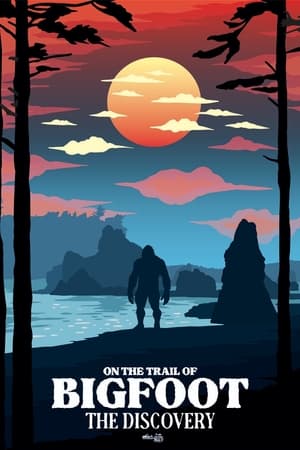
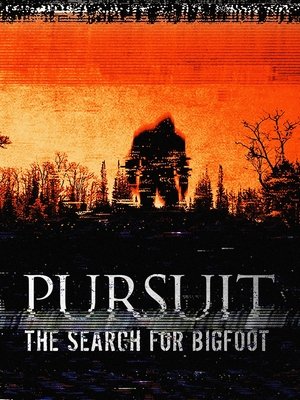
The biggest breakthrough in the search for Sasquatch has just been found in Northern Washington. Documentarian, Seth Breedlove heads to the Olympic Peninsula where he finds the Olympic Project; a Bigfoot research group who have found the best evidence for the existence of the creature. Breedlove and members of the Olympic Project head deep into the forests of the Pacific Northwest to learn more about the infamous “Nest Site”. A location that holds the key to understanding what people are encountering around the United States. Along the way they find that the evidence they seek might not be the only thing waiting for them in the shadowy woods… On the Trail of Bigfoot: The Discovery promises to make you question the way you look at the subject of unknown creatures in America.
A creature spotted in the Netherlands.
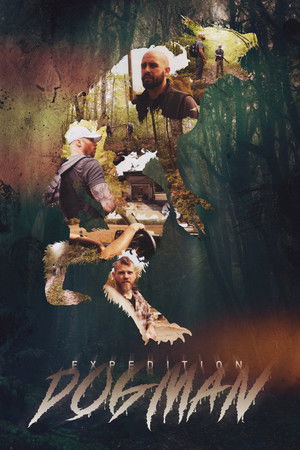
Cryptozoologists journey into the forests of Kentucky to gather evidence of a canine/human hybrid.
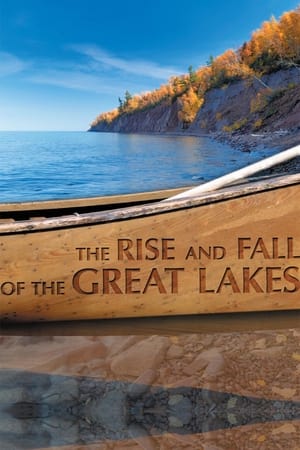
A lesson in geography, which concludes that although the Great Lakes have had their ups and downs, nothing has been harder to take than what humans have done to them lately. In the film, a lone canoeist lives through the changes of geological history, through Ice Age and flood, only to find himself in the end trapped in a sea of scum.
James Murphey is a rugged cryptozoologist, who thirty years earlier, during a trip to Loch Ness, Scotland, had a fatal encounter with the fabled "Nessie" creature that killed his father, and left James with deep facial scar. Twenty years later, James is hunting for Nessie, when his search leads him to the sleepy town of Pike Island, Ashburn, on Lake Superior. Hiring Josh Riley as his guide, James and Josh bond over their mutual scientific interests and deceased fathers, while James tries to convince Josh's mother, Sheriff Karen Riley, that the 60-foot plesiosaur is killing and breeding.
When renowned director Werner Herzog and fellow filmmaker Zak Penn set off to explore the legend of Scotland's Loch Ness monster, they uncover much more than they bargained for. Unexplained sightings of the creature and chaos among the crew create an uneasy feeling that things aren't what they seem.
Jean-Pierre Costa is a football manager upon whom fate appears not to be smiling. First, a friend, Annabelle, dumps a pet Labrador named Didier on him whilst she goes off to make a report in Los Angeles. Next, one of his star players is injured, leaving him one player short for a crucial match. As if things could not get any worse, Costa wakes up one morning to find that that Didier has been transformed into a man...
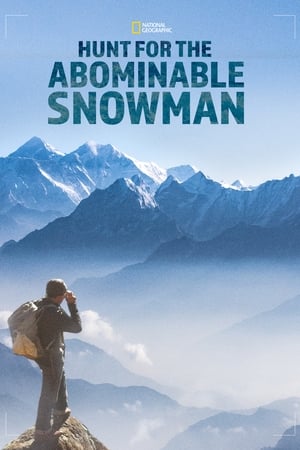
Surviving the plane crash was only the beginning ... After their plane crashes into uncharted territory in the Himalayas, the survivors set out to find help in the freezing cold. As the days pass and with no sign of a rescue, tensions begin to mount. The survivors wrestle with their consciences as they realise that in order to survive, they must use the bodies of the dead as food. But when it appears that something else is already feeding upon the dead, the survivors realise that their biggest danger is not hunger but something infinitely more sinister: a legendary Yeti is stalking them and is moving in for the kill. Can they outsmart the beast or will they die trying?
Is the legend of Chupacabran (roughly translated to getsugare) true? Or is it just folklore? Or a madman in latex suit? When Maria Esperanza's uncle and his goats are assaulted and killed, she collects together a team of crypto zoology student and a Marine to unravel the mystery once and for all
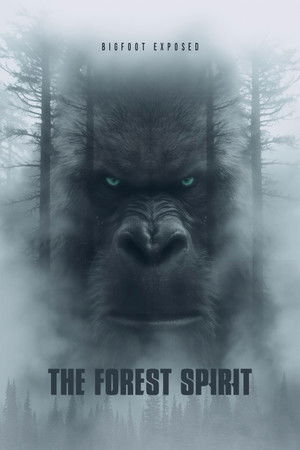
" Bigfoot Blood on the Farm " is a tense, heart-pounding thriller about family, survival, and the terrifying unknown that lurks in the shadows of the woods. Two sisters find themselves alone on their rural farm, facing an unimaginable terror. " Bigfoot ". With the farm isolated and no one else around to help, the sisters must quickly shift from surviving farm life to surviving the fight of their lives.
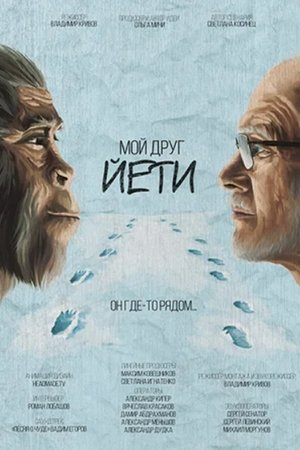
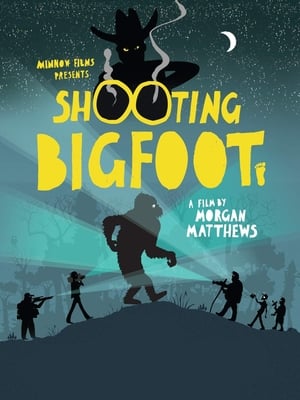
An old man and his sidekick attempt to capture footage of a mysterious creature to surpass their young neighbours' popularity on social networks.
The fanatic beliefs of an internet mystic, a cult leader, and a rookie cop gone rogue are tested on the hunt for the "Hidden Man" -- an elusive forest-dwelling cryptid that terrorizes their idyllic suburb.
A young cryptozoologist hunts the legendary El Chupacabra in hopes of collecting a $50,000 reward with the help of his estranged best friend and the only girl he's ever loved.
When a string of brutal killings are linked to a werewolf, paranormal investigator Nick Moon goes on the hunt. Battling supernatural forces, he uncovers a dark conspiracy that must be stopped before the monster strikes again.
Riley, a cryptozoology fanatic, and her Sister Rebecca want to increase the popularity of their conspiracy channel. They decide to hire a local controversial hunter to aid them in the search of a supposed werewolf roaming the forest of their little town. They find the secret of the Panteon Woods but never return.
Travis and his team travel to China in search of what isn't supposed to exist ... their mission to capture a Cryptid which is wreaking havoc in a remote village and they need to do this before it is killed by Harker, the legendary bounty hunter.
This pioneering documentary film depicts the lives of the indigenous Inuit people of Canada's northern Quebec region. Although the production contains some fictional elements, it vividly shows how its resourceful subjects survive in such a harsh climate, revealing how they construct their igloo homes and find food by hunting and fishing. The film also captures the beautiful, if unforgiving, frozen landscape of the Great White North, far removed from conventional civilization.
Starting with a long and lyrical overture, evoking the origins of the Olympic Games in ancient Greece, Riefenstahl covers twenty-one athletic events in the first half of this two-part love letter to the human body and spirit, culminating with the marathon, where Jesse Owens became the first track and field athlete to win four gold medals in a single Olympics.
Part two of Leni Riefenstahl's monumental examination of the 1938 Olympic Games, the cameras leave the main stadium and venture into the many halls and fields deployed for such sports as fencing, polo, cycling, and the modern pentathlon, which was won by American Glenn Morris.
Working men and women leave through the main gate of the Lumière factory in Lyon, France. Filmed on 22 March 1895, it is often referred to as the first real motion picture ever made, although Louis Le Prince's 1888 Roundhay Garden Scene pre-dated it by seven years. Three separate versions of this film exist, which differ from one another in numerous ways. The first version features a carriage drawn by one horse, while in the second version the carriage is drawn by two horses, and there is no carriage at all in the third version. The clothing style is also different between the three versions, demonstrating the different seasons in which each was filmed. This film was made in the 35 mm format with an aspect ratio of 1.33:1, and at a speed of 16 frames per second. At that rate, the 17 meters of film length provided a duration of 46 seconds, holding a total of 800 frames.