Having navigated the awkward and sometimes traumatic world of high school, Rebecca Freely returns to her alma mater as a guidance counselor, free of the insecurities and orthodontia of her school days. Amidst student behavioral problems and the persistent romantic advances of the male nurse, Gary, Rebecca is certain of one thing - she is interested in the hot auto-shop-turned-Spanish-teacher, Tim. However, much as in high school days of unexpected teenage angst, Lisa, a former cheerleader and nemesis of Rebecca's, returns as the new English teacher determined to make Rebecca relive her unpopular past, setting sights on Tim as well.
A sitcom set in the offices of "GlobeLink News" after its acquisition by media mogul Sir Roysten Merchant. Led by editor George Dent, the staff of GlobeLink battle to maintain the company as a serious news organization against Sir Roysten's right-hand man, Gus Hedges, who wants to make the show more sensationalist and suppress stories that might harm Roysten's business empire.
Come Fly with Me is a comedy sketch series starring David Walliams and Matt Lucas. The series is a spoof docu-soap set in a busy airport featuring check-in staff to cabin crew, from pilots to paparazzi with all the principal characters played by the two stars.
Alice is an American sitcom television series that ran from August 31, 1976 to March 19, 1985 on CBS. The series is based on the 1974 film Alice Doesn't Live Here Anymore. The show stars Linda Lavin in the title role, a widow who moves with her young son to start her life over again, and finds a job working at a roadside diner on the outskirts of Phoenix, Arizona. Most of the episodes revolve around events at Mel's Diner.
Good Company is an American television sitcom that aired on CBS on Monday nights from March 3, 1996, to April 15, 1996. The series is set at the offices of Blanton, Booker & Hayden Agency, a Manhattan ad agency.
When tough-acting loner paramedic Maleek is paired with over-friendly divorcee Wendy, their partnership looks dead on arrival. But pretty soon they're giving each other life support.
Open All Hours is a British television sitcom created and written by Roy Clarke, starring Ronnie Barker as penny-pinching corner-shopkeeper Albert Arkwright, and David Jason as his nephew and assistant Granville. The programme originated as a 1973 episode of Barker’s comedy anthology Seven of One, and later ran for 26 episodes; the first series broadcast on BBC2, the remaining three series broadcast on BBC1.
Owner Basil Fawlty, his wife Sybil, a chambermaid Polly, and Spanish waiter Manuel attempt to run their hotel amidst farcical situations and an array of demanding guests.
Hardware is a British sitcom that aired on ITV from 2003 to 2004. Starring Martin Freeman, it was written and created by Simon Nye, the creator of Men Behaving Badly. The show's opening theme was A Taste of Honey by Herb Alpert's Tijuana Brass.
The Thin Blue Line is a British sitcom starring Rowan Atkinson set in a police station that ran for two series on the BBC from 1995 to 1996. It was written by Ben Elton.
Texas native Jamie King is an aspiring actor who heads to Hollywood in hopes to find fame and fortune in the entertainment industry. To support himself, he works at his Aunt Helen and Uncle Junior's Los Angeles hotel, the King's Towers.
The everyday lives of office employees in the Scranton, Pennsylvania branch of the fictional Dunder Mifflin Paper Company.
A cooking show comedy that follows the queen of food porn, Monica Flawsom as she heads to the colony and attempts to redeem her reputation after scandalous footage of the celebrity chef is leaked.
Young teacher Alfie Wickers is "the worst teacher ever to grace the British education system" – at Abbey Grove School, in Watford, Hertfordshire.
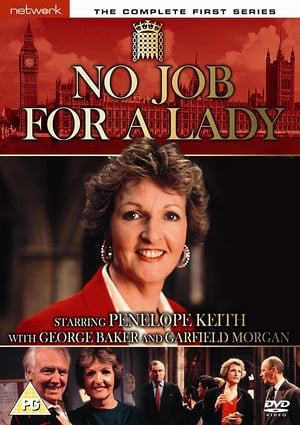
Jean Price is the newly elected, somewhat rebellious Labour MP for an inner-city constituency, and her life in the House of Commons. She's married to Geoff Price, a public defender and carer of many household chores so that Jean can pursue her new career. Jean balances her personal life with parliamentary duties, including 'women's issues', which Jean alternately fights for and is frustrated by, as other MPs think she cares about nothing else due to her gender. She often is surprised by others' duplicity and hypocrisy, holding them to a significantly higher standard.
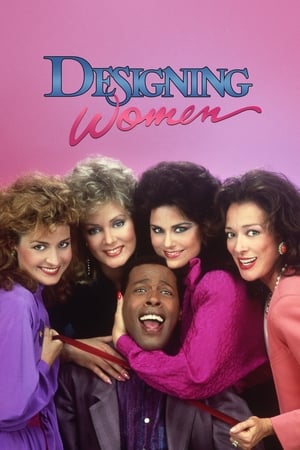
Julia Sugarbaker, Mary Jo Shively, Charlene Frazier-Stillfield and Suzanne Sugarbaker are associates at their design firm, Sugarbaker and Associates. Julia is the owner and is very outspoken and strong-willed. Mary Jo is a divorced single-parent whom is just as strong-willed as Julia, but isn't as self-confident. Charlene is the naive and trusting farm girl from Poplar Bluff, Missouri. Suzanne is the self-centered ex-beauty queen whom has a number of wealthy ex-husbands.
Disillusioned after a long career at Sunshine Desserts, Reginald Iolanthe Perrin endures a midlife crisis and fakes his own death. Returning in disguise after various attempts at finding a 'new life', Perrin gets his old job back and finds nothing has changed. He is eventually found out, and later finds success with a chain of junk shops. However, it becomes so successful that he feels he has created a monster and decides to destroy it.
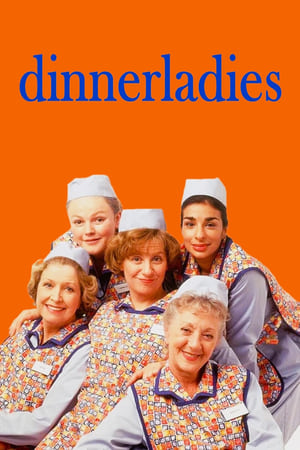
Dinnerladies is a BBC sitcom written by and starring Victoria Wood that chronicles the antics of a group of workers in a canteen in the north of England. Bren tries to maintain a semblance of order in amongst the chaos, while dealing with the canteen supervisor, slightly sex-obsessed cancer sufferer Tony. Dolly and Jean are the bickering menopausal older women, always at odds but best friends beneath it all. Then there's thick-as-two-short-planks Anita, and the terminally uninterested Twinkle, more concerned with having a good time than anything else. Making up the motley crew are military man handyman Stan, all rules and regulations, and ditzy Philippa, who never seems to get anything right.
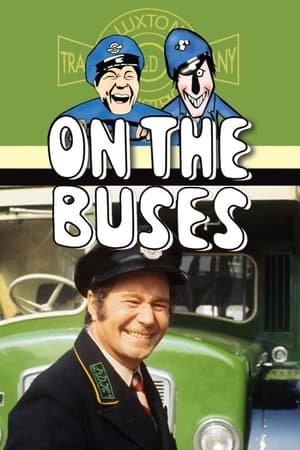
On the Buses is a British comedy series created by Ronald Wolfe and Ronald Chesney, broadcast in the United Kingdom from 1969 to 1973. The writers' previous successes with The Rag Trade and Meet the Wife were for the BBC, but the corporation rejected On the Buses, not seeing much comedy potential in a bus depot as a setting. The comedy partnership turned to a friend, Frank Muir, Head of Entertainment at London Weekend Television, who loved the idea; the show was accepted and despite a poor critical reception became a hit with viewers.
On verra ça en post-prod