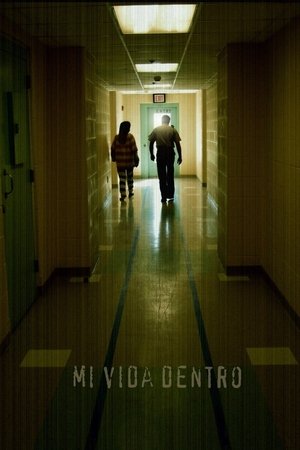
Rosa is a Mexican woman who, at the age of 17, migrated illegally to Austin, Texas. Some years later, she was jailed under suspicion of murder and then taken to trial. This film demonstrates how the judicial process, the verdict, the separation from her family, and the helplessness of being imprisoned in a foreign country make Rosa’s story an example of the hard life of Mexican migrants in the United States.
On March 24, 1944, in the heart of Nazi Germany, 76 British, Canadian, Norwegian and French pilots who were held in Stalag Luft III, a prison camp of the Luftwaffe, escaped. Unique testimony from the last survivors, recreations and today’s digital images sheds new light on the audacious escape.
Errol Morris examines the incidents of abuse and torture of suspected terrorists at the hands of U.S. forces at the Abu Ghraib prison.
This Oscar-winning documentary recounts the harrowing stories of five Hungarian Jews who endured the horrors of the Holocaust and Hitler's reign.
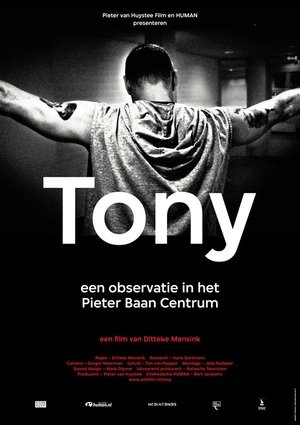
Every year, hundreds of women develop relationships with prisoners. They fall under the charms of killers, petty criminals, rapists and crooks. Most only share a few letters, but some make it all the way to the altar. It is hard to understand what these women expect from a relationship with a convict with a long prison sentence. This documentary takes a look at their lives and the reasons that make them pursue a relationship with a criminal.
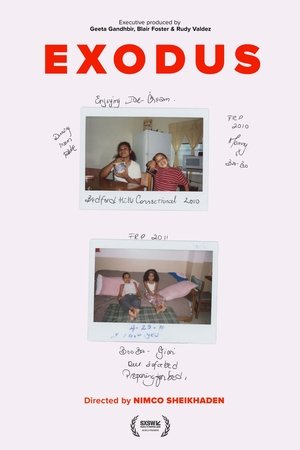
EXODUS is an intimate, lyrical portrait of Trinity Copeland and Assia Serrano as they struggle to make sense of their lives post-release, exploring the overarching question of: What does life after prison look like? Grappling with the weight of what they’ve done—and what society has done to them—the film explores the burden of absence, the toll of separation, and what it takes to rebuild fractured bonds.
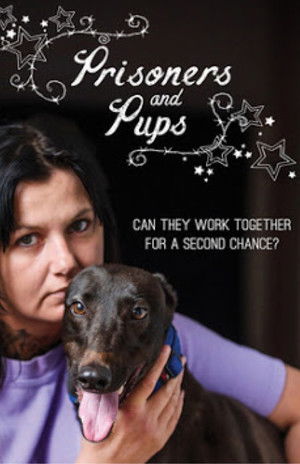
A group of women prisoners have signed up to foster retired racing greyhounds and get them ready for adoption. The prisoners have just eight weeks to transform the dogs into family pets, or the dogs could be euthanised.
A father exits prison and tries to integrate with his two children and girlfriend while living in a halfway house and on parole.
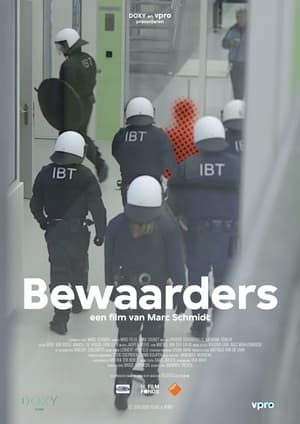
In 2016 the largest and most modern prison in the Netherlands, Judicial Complex Zaanstad, opens its doors. New architecture and a new professional modus operandi enhance the efficiency of the complex and increase the responsibility for prisoners and guards. The demanding and versatile work of guards and prison officials gives us an insight into modern prison practices.
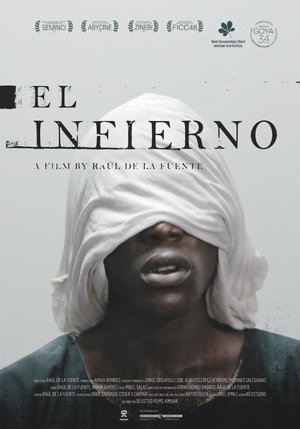
Chennu committed his first crime when he was 15 years old: being a street kid. And he entered hell: Pademba Road. The adult prison in Freetown. In hell, Mr. Sillah is in charge, and there is no hope. Chennu got out after four years. Now he wants to go back.
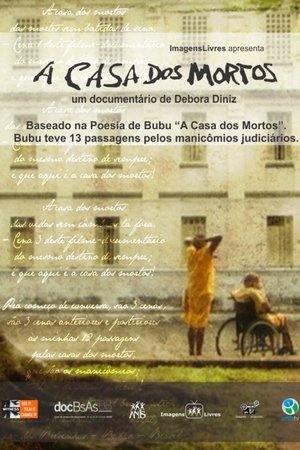
Bubu is a poet who has been committed to state institutions for the insane twelve times. He challenges the meaning of hospital-jails, hybrid institutions which sentence the insane to life imprisonment. The poem "The House of the Dead" was written during the filming of the documentary and reveals the forgotten deaths that occur in these judicial asylums. There are three stories in three acts of death. Jaime, Antonio, and Almerindo are anonymous men, considered dangers to society, whose punishment is the tragedy of suicide, the unending cycle of being committed to the asylum, or surviving life imprisonment in the house of the dead. Bubu is the narrator of his own life and also of his own destiny-death in the asylum.
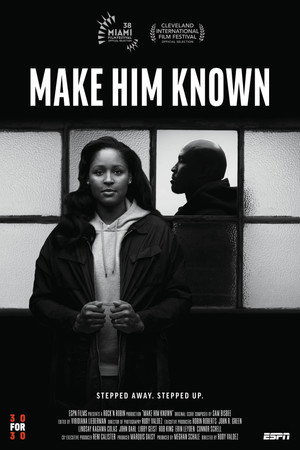
Over the course of more than a decade, 4-time WNBA champion and Olympic Gold medalist Maya Moore and her family have been fighting for the release of a wrongfully convicted man named Jonathan Irons. This short film intimately follows Moore as she embarks on a road trip from Atlanta, GA to Jefferson City, MO to bring home the man who, after 23 years behind bars, has not only become a part of her family, but has also strengthened her faith and inspired her pursuit of criminal justice reform.
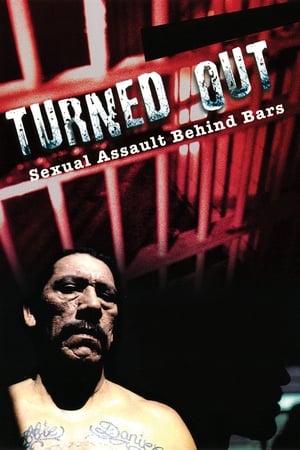
A look beyond the shock and inhumanity of prison rape to the intricate social hierarchy that keeps it alive. A filmmaker goes deep inside Alabama's infamous Limestone penitentiary to uncover the long-term causes and consequences of prison rape. With a startling lack of inhibition, five inmates reveal the workings of an elaborate inner society.
Impressionistic glimpses of London life from early morning to rush hour.
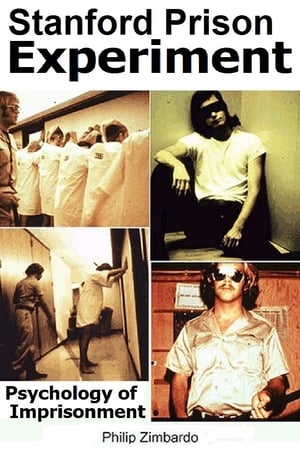
The Stanford prison experiment was a landmark psychological study of the human response to captivity, in particular, to the real world circumstances of prison life, and the effects of imposed social roles on behaviour. It was conducted in 1971 by a team of researchers led by Philip Zimbardo of Stanford University.
This film focuses on the historic 1971 Attica prison rebellion in upstate New York. It targets the conditions that caused prisoners to take drastic steps toward securing their basic rights. The film questions the reactions of prison warden Oswald, New York governor Nelson Rockefeller and President Nixon, as well as the death of 31 inmates and prison guards from bullets fired by the National Guard. Through on-site footage taken during and following the rebellion, and follow-up interviews with inmates, this film relates a powerful message concerning prisoner's rights and provides an important historical document. A Third World Newsreel production about the 1971 rebellion at Attica State Prison.
Four young girls prepare for a special Daddy Daughter Dance with their incarcerated fathers, as part of a unique fatherhood program in a Washington, D.C., jail.
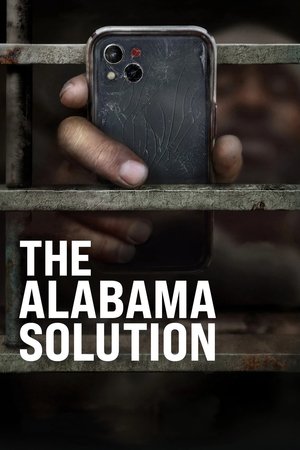
Incarcerated men defy the odds to expose a cover-up in one of America’s deadliest prison systems.
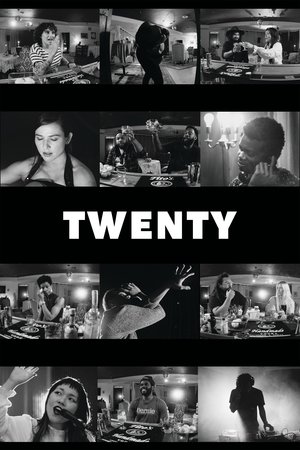
Set in a speakeasy in Atlanta, “Twenty” is a feature documentary about fifteen young people making it through 2020. The film is an observational time capsule that lays bare the raw reflections of a group of people surviving a year that will be seared into our generational memory.
Aslı Erdoğan, world-renowned author and activist, has fallen into silence after she fled to Germany. Incomplete Sentences is a feature documentary on her literature and life, leading to exile in Frankfurt, after the Turkish regime’s oppression results in her unlawful imprisonment. Now, she struggles in exile while everybody is waiting for her to write again. Right after getting out of prison Aslı starts telling her story to the director, wandering in the streets of Istanbul she recites parts from her books and explains the stories behind. When Aslı goes to Germany to receive the Erich Maria Remarque Award she cannot return; thus her exile, which she likens to a semi-open prison, begins. As her health deteriorates and keeps her from writing, the tragedy in her books becomes her own reality.