An unprecedented look at the decade-long odyssey to land a man on the moon. This documentary pulls back the curtain on the familiar narrative of the moonshot, revealing a fascinating stew of scientific innovation, political calculation, media spectacle, visionary impulses and personal drama.
Sir David shines the spotlight on some of nature’s evolutionary anomalies and reveals how these curious animals continue to baffle and fascinate.
Sir David discovers a microscopic world that’s invisible to the naked eye, where insects feed and breed, where flowers fluoresce and where plants communicate with each other and with animals using scent and sound.
Three wildlife camera operators follow six iconic baby animals as they face the challenges of surviving their first year on Earth.
Chris Packham and Martha Kearney consult experts and use modern technology to examine the lives and times of honeybees.
Mondes sauvages
Showcasing wildlife success stories across the United States, renowned wildlife experts explore the work of conservationists helping to save imperiled species.
The Pantanal is the world's largest tropical wetland, a lush environment where a tangled web of lives comes together. Tree-dwelling capuchin monkeys, gravity-defying Piraputanga fish that leap out of the water to pluck fruit from trees, and over 650 species of birds call this ecosystem home. Wade into this wonderland of biodiversity and uncover its natural rhythms.
Roam South Luangwa National Park in Eastern Zambia with cameraman Julz Braatvedt as he follows three wild dog packs during the dry season. Capture their triumphs and disasters during this tough time of the year in the world-famous wildlife sanctuary.
Terre de légendes
David Attenborough uses pioneering 3D-techniques and technology to explore the unique environments and species of the Galapagos.
Michael Palin undertakes an epic journey of 23,000 miles, traveling from the North to the South Pole across 17 countries with a minimum of air travel, all on a tight deadline.
Geologist Iain Stewart explain in three stages of natural history the crucial interaction of our very planet's physiology and its unique wildlife. Biological evolution is largely driven bu adaptation to conditions such as climate, soil and irrigation, but biotopes were also shaped by wildlife changing earth's surface and climate significantly, even disregarding human activity.
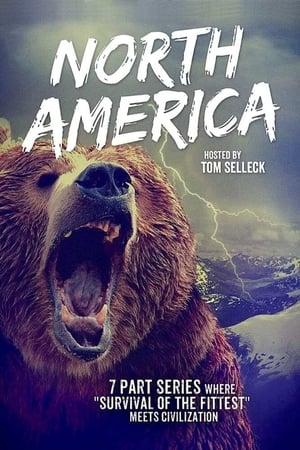
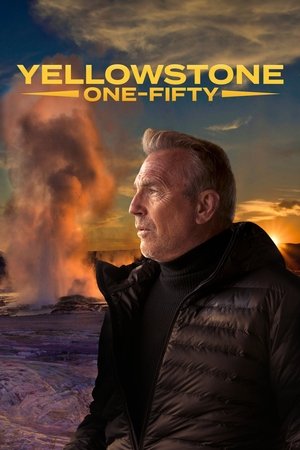
Yellowstone challenges every animal that lives in this Rocky Mountain wilderness; in summer it pitches them into battle against one another for food, territories and mates, in winter it forces them into a struggle for survival.
A follow-up to the 1990 Radio 4 series in which the late Douglas Adams and Mark Carwardine travelled around the world in search of endangered species. 20 years later Stephen Fry and Mark Carwardine go back to see what has become of the animals in two decades, and to discover what has affected their fortunes.
In a picturesque South African town, an eclectic group of endangered penguins flock together to find mates, raise families and mix with the locals.
See It Now is an American newsmagazine and documentary series broadcast by CBS from 1951 to 1958. It was created by Edward R. Murrow and Fred W. Friendly, Murrow being the host of the show. From 1952 to 1957, See It Now won four Emmy Awards and was nominated three other times. It also won a 1952 Peabody Award, which cited its
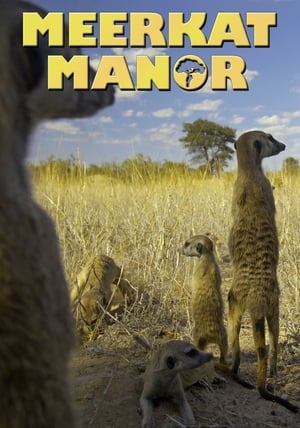
Continuing the compelling saga of the heartstring-tugging, dramatic tale of survival revolving around three families of meerkats who are descendants of the legendary meerkat matriarch, Flower. Neighbors and rivals who share a bloodline are forced to compete for food and resources in an environment that is undergoing a great deal of change: the Kalahari Desert in South Africa.
Whales are beautiful and powerful, which rightly puts them in the category of 'most unique animals in the world'. Dive into the world of whales and discover what makes these creatures so fascinating.
This nature documentary introduces viewers to the fauna and flora of Britain and Ireland across four main areas: woodlands, grasslands, freshwater and marine.