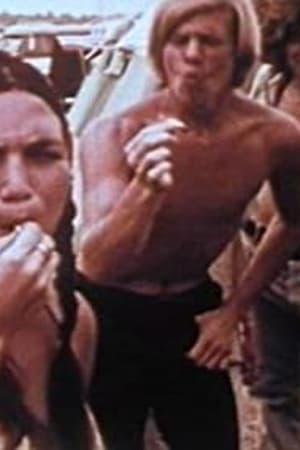
The hippie movement that captivated hundreds of thousands of young people in the West had a profound impact on the other side of the Iron Curtain. Within the Soviet system, a colorful crowd of artists, musicians, freaks, vagabonds and other long-haired drop-outs created their own system, which connected those who believed in peace, love, and freedom for their bodies and souls. More than 40 years later, a group of eccentric hippies from Estonia take a road trip to Moscow where the hippies still gather annually on the 1st of June for celebration that is related to the tragic event in 1971, when thousands of Soviet hippies were arrested by the KGB. The journey through time and dimensions goes deep into the psychedelic underground world in which these people strived for freedom.
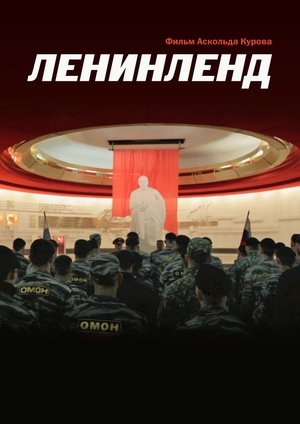
At the peak of Perestroika, in 1987, in the village of Gorki, where Lenin spent his last years, after a long construction, the last and most grandiose museum of the Leader was opened. Soon after the opening, the ideology changed, and the flow of pilgrims gradually dried up. Despite this, the museum still works and the management is looking for ways to attract visitors. Faithful to the Lenin keepers of the museum as they can resist the onset of commercialization. The film tells about the modern life of this amazing museum-reserve and its employees.
How the Soviet Union was able to copy the Boeing B-29 Superfortress bomber, and the influence of the resulting Tupolev TU-4 on the Cold War.
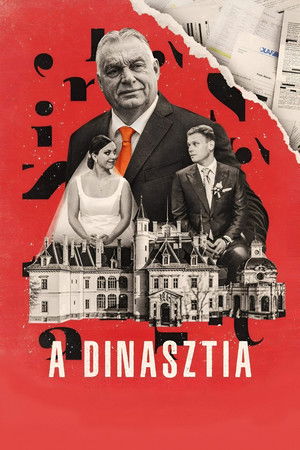
The Dynasty by the Direkt36 investigative center tells the story of the business dealings of the Prime Minister’s family over several decades. With hidden camera footage, it also shows the luxurious world built by Viktor Orbán’s son-in-law István Tiborcz and his daughter Ráhel Orbán.
Efímero
J'ai décidé de mourir
Through testimonies and images, the crude reality of human rights in Argentina in democracy is portrayed and the role of the hegemonic means of communication to make causes and protests invisible ...
A documentary that focuses on the effects that alcohol has on someone's honesty, performativity and behaviour; Anyone's candid and composed exterior could just be a façade hiding their true selves.
Contrasting radical mobs, anarchy, and 1960s counterculture with footage of American manufacturing and innovation, this film celebrates the concept of American exceptionalism and argues that anti-Vietnam War protesters were influenced by communism, atheism, and immorality. Set mostly in a university library, this political debate between a medical student, his 1770s ancestor, and a history professor is a sequel to the 1972 National Education Program film, Brink of Disaster! Two additional characters appear in this drama: a 19th-century steamboat captain, and the student’s grandfather - an early 20th-century automobile worker. The National Education Program at Harding College in Searcy, Arkansas created a variety of widely-distributed anti-communism films from the mid-1940s to the early 1970s.
When the cameras rolled, Doris Day wore a happy face, never hinting at the pain she endured in her personal life. This documentary brings viewers close to the real Doris Day through the eyes of her friends and family members and with the help of film footage, newsreels and photographs. What surfaces is a complex picture of an equally complicated woman who faced problems far more formidable than her cinematic image revealed.
Era Locadora
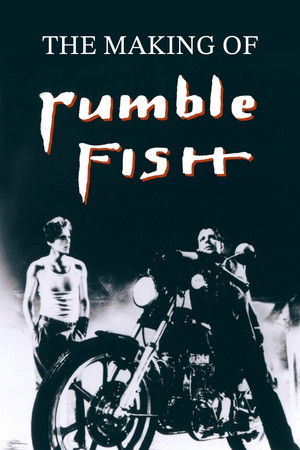
An informative archival behind-the-scenes featurette of "Rumble Fish", featuring raw footage from the pre-production process. Also included are short comments by Francis Ford Coppola, various members of his team, and some of the principal actors.
A short documentary that emerge at the center of round table debate, participating in it there's three students from the Superior School of Arts and Design, Caldas da Rainha - Portugal. This conversation go along with a video essay about Afrofuturism and Pop Culture. Also, during the debate, an interview with another student gives some real example of how afrofuturism can be applied when it comes to in taking control of the colonial narratives into a black person perspective.
QLD EN TEUF
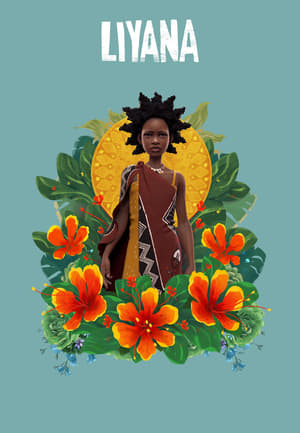
A talented group of orphaned children in Swaziland create a fictional heroine and send her on a dangerous quest.
Geografía personal
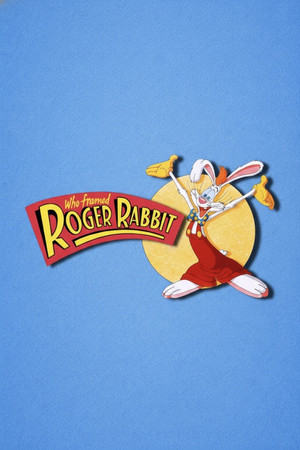
A deep dive documentary into the history of "Who Framed Roger Rabbit" from the original version that was cancelled to the production problems of the one that came to be and the fascinating production stories of one of the most ambitious films ever made.
Outtakes, commentary from Zefier's third film: Jo; or The Act of Riding a Bike.
Shot on location in a very remote part of southern Morocco, this short film looks into the amazing craftsmanship and dedication of the Berber rug weavers in the region. These incredibly talented people are part of an ancient tradition that still employs centuries-old techniques to produce beautiful and unique handwoven rugs.
La Fabrique à Idiots