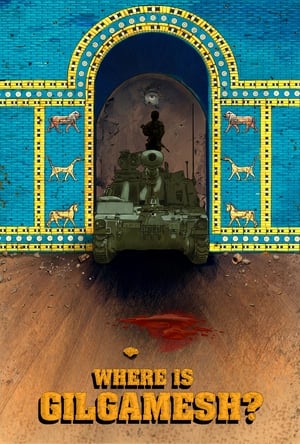
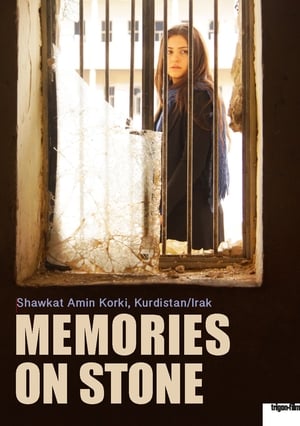
A priceless tablet of Gilgamesh, the oldest and most important work of literature is stolen from a museum. A security guard vows to do whatever it takes to get it back from a group of smugglers. Along the way, he faces his own inner demons.
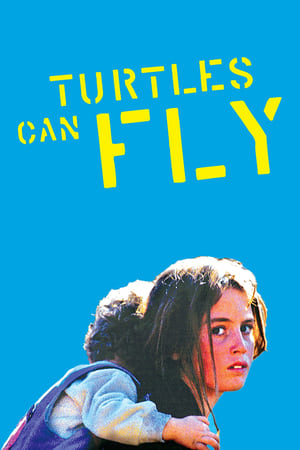
Turtles Can Fly tells the story of a group of young children near the Turkey-Iraq border. They clean up mines and wait for the Saddam regime to fall.
Turkey's history has been shaped by two major political figures: Mustafa Kemal (1881-1934), known as Atatürk, the Father of the Turks, founder of the modern state, and the current president Recep Tayyıp Erdoğan, who apparently wants Turkey to regain the political and military pre-eminence it had as an empire under the Ottoman dynasty.
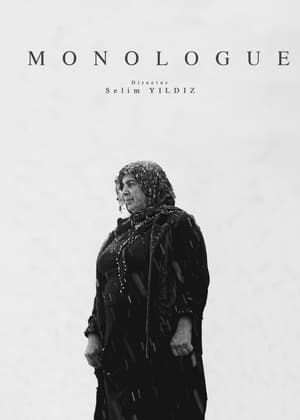
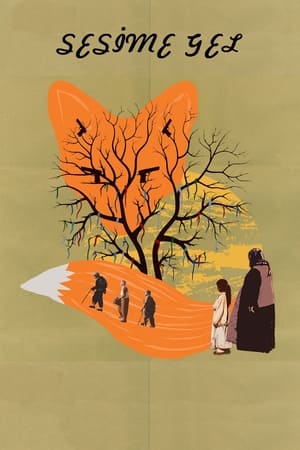
In a snowy Kurdish mountain village, in the east of Turkey, an old woman Berfé and her granddaughter Jiyan are distressed. The only man in the household, Temo, the son of one and the father of the other, was arrested by the Turkish military. The commanding officer has been told that the villagers are hiding weapons, so he arrested all the men and announced that they will be kept in prison until their families hand over the weapons. The problem is that there are no weapons in the village. Desperate, Berfé and Jiyan embark on a long journey, in search of a gun which they could exchange for their beloved Temo. Will the old woman and her innocent granddaughter find a way out of the inextricable Kurdish identity conflict?
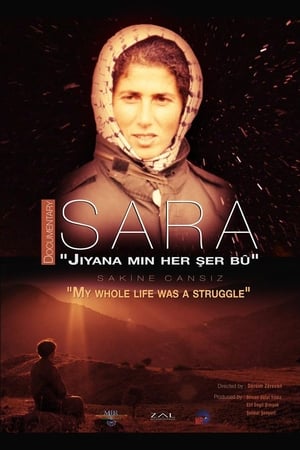
Despite being outnumbered and outgunned, a female Kurdish fighter guides her fellow fighters in the resistance to defend their city, Kobanê, from the deadly threat of ISIS. A real story of war, sacrifice, love and hope that kept the whole world on tenterhooks.
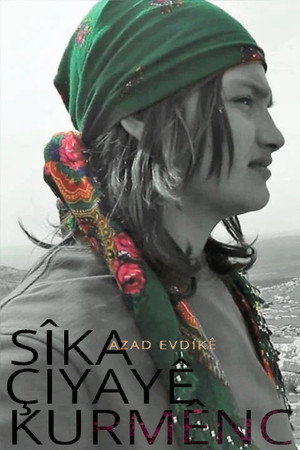
Casimê Celîl was born into a Yezidi Kurdish family in 1908, in a village called Kızılkule, located in Digor, Kars. The village and family life, which he longed to remember throughout his life, ends with the massacre they endured in 1918. During his long road to Erivan, Armenia, he lost all his family members. Left all alone, Casim was placed into an orphanage and was forced to change his name. To remember who he was and where he came from, every morning he repeated the mantra “Navê min Casim e, Ez kurê Celîlim, Ez ji gundê Qizilquleyê Dîgorê me, Ez Kurdim, Kurdê Êzîdî me”, which translates to: “My name is Casim, I am the son of Celîl, I come from the village of Kızılkule in Digor, I am a Kurd, and I am Yezidi”. He clings to every piece of his culture he can find, reads, and saves whatever Kurdish literature or art he comes across. As the year’s pass, Casim finds himself with an impressive collection of Kurdish culture and history.
A unique interview with Tooba Gondal, the woman who groomed and lured scores of Western women to join ISIS. Using social media, she became a deadly matchmaker, recruiting a number of high-profile “jihadi brides” for ISIS militants in Syria: she allegedly helped organise the transporting of three British schoolgirls, including Shamima Begum, to Syria.
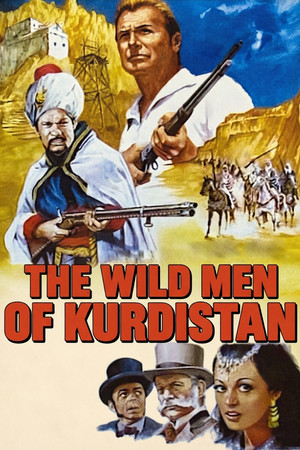
After dealing with the Shut in the Balkans, Kara Ben-Nemsi ('Karl the German') receives a firman (precious passport) from the padishah (Ottoman sultan) before he continues his travels through Kurdistan. Achmed El Corda, the son of Halef's Hadedhin Beduin tribe's sheik Mohammed Emin, has been captured by the machredsh (Turkish governor) of Mossul for resisting water seizure by his Turkish troops. Kara takes charge of the rescue.
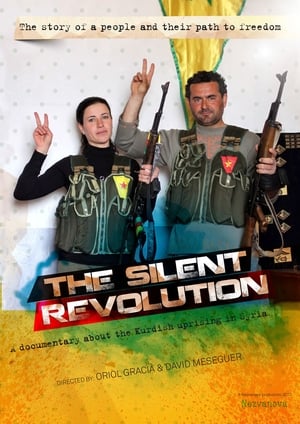
"Nû Jîn", New Life, with the slogan ' Woman is life. Life is resistance and resistance is Kobanê', depicts the daily life of women guerillas, Elif Kobanê (18), Vîyan Peyman and Arjîn, joining in the Women's Protection Units (YPJ) in their battle against ISIS. The documentary relates the ISIS assault of 15 September 2014 and the five-month resistance by the YPJ and People's Defense Units (YPG) through the lens of three women fighter
Aslı Erdoğan, world-renowned author and activist, has fallen into silence after she fled to Germany. Incomplete Sentences is a feature documentary on her literature and life, leading to exile in Frankfurt, after the Turkish regime’s oppression results in her unlawful imprisonment. Now, she struggles in exile while everybody is waiting for her to write again. Right after getting out of prison Aslı starts telling her story to the director, wandering in the streets of Istanbul she recites parts from her books and explains the stories behind. When Aslı goes to Germany to receive the Erich Maria Remarque Award she cannot return; thus her exile, which she likens to a semi-open prison, begins. As her health deteriorates and keeps her from writing, the tragedy in her books becomes her own reality.
During WW1, the destinies of British officers Michael Andrews and John Stevenson seem intertwined on the battle front as much as on a more personal level.
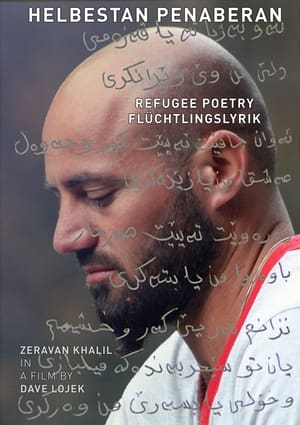
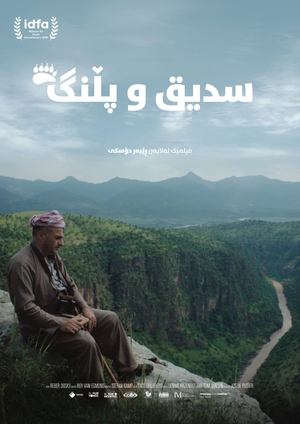
The Kurdish Iraqi poet and actor Zeravan Khalil travels with his dog through an Alpine gorge after fleeing from IS war and genocide. As he remembers the abomination, he writes a poem with the title “You drive me mad” in Kurmanji Kurdish. In his home country, Yazidic Kurds are forbidden to work in his profession. Then he eats his apple and wanders through Europe’s middle with more hope.
The film is set in a small, snow-covered mountain village in Kurdistan. We follow a young woman, Helin, who wants to discover her family history. She lives with her mother, Susika, who has not spoken since her husband was arrested and imprisoned by the Turkish authorities. She cannot write or read either. Helin wants nothing more than to find out the story of her father. It is a story of how political oppression of a people and culture impacts that community, how it silences people, and about human resilience. Keeping a culture alive is a form of resistance.
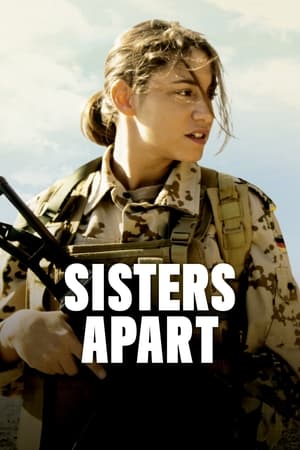
Rojda, a native of Iraqi Kurdistan and a soldier in the German army, travels to a refugee camp in Greece where she manages to meet her mother, who has bad news about her sister Dilan.
An animated short documentary crafted by people on the move in the refugee camp of the island of Lesbos (GR), following the story of Orhan, a Syrian Kurd who fled war with his family in 2013, seeking safety in Turkey—only to find that peace was still a distant dream.
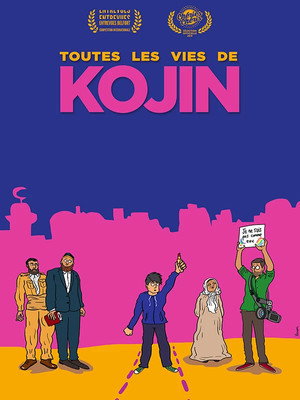
When five Kurdish prisoners are granted one week's home leave, they find to their dismay that they face continued oppression outside of prison from their families, the culture, and the government.
In the winter of 1988, in the depths of the Iraq/Iran war, the border town of Halabja was attacked by chemical weapons with all its people and their different stories.
Qader, a bricklayer from Sardasht in Kurdistan Iran whose wife is pregnant with her 4th child, suddenly found himself amid a war crime perpetrated by the Saddam regime. On June 28th, 1987 Iraqi air fighters dropped mustard gas bombs on the city...
Scud Patriot
In the city of Soli, ruled by Anfa 8, where night is eternal, Horus hunts a renegade cult of solar worshippers who are desperately searching for the sun.