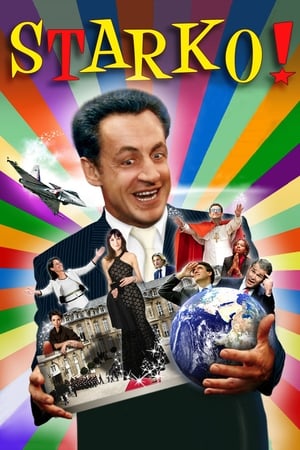
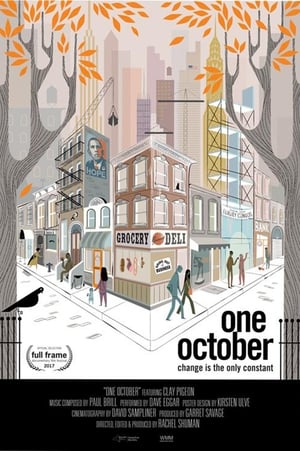
The life of Pierre Cardin is the true and fascinating novel of the most controversial among the great French couturiers, from his miserable childhood as an Italian refugee to his exceptional artistic and economic success, which made him one of the five most famous French persons in the world.
Martin Scorsese’s electrifying concert documentary captures The Rolling Stones live at New York’s Beacon Theatre during their A Bigger Bang tour. Filmed over two nights in 2006 with an all-star team of cinematographers, the film combines dynamic performances with archival footage and rare glimpses behind the scenes, offering a vibrant portrait of the band’s enduring energy and legacy.
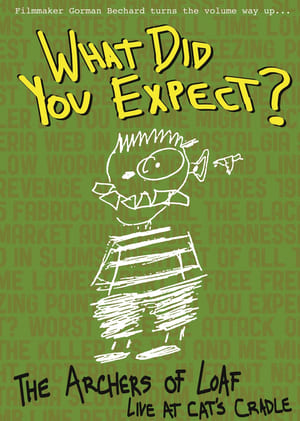
Indie rock icons the Archers of Loaf reunited in 2011, and during the course of their reunion tour played two legendary concerts at Cat’s Cradle in Chapel Hill, NC. Combining in-your-face concert footage along with rare interviews of the band, this film by director Gorman Bechard documents those concerts, and captures the excitement and explosive energy of what its like to see this extraordinary band perform live.
This documentary exposes housing injustice in New York City, following the David-and-Goliath battles between ordinary renters and powerful developers. Through stories from neighborhoods across the boroughs, the film reveals the harsh realities of unsafe housing, unethical landlords, and an overwhelmed housing court system.
A portrait of the brilliant American writer Truman Capote (1924-84) and the New York high society of his time.
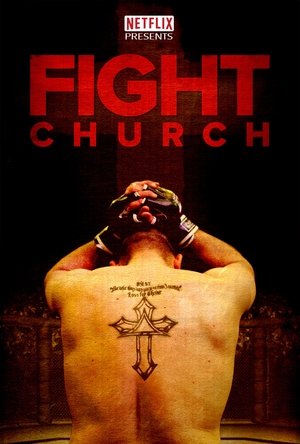
A documentary about the confluence of Christianity and mixed martial arts, including ministries which train fighters. The film follows several pastors and popular fighters in their quest to reconcile their faith with a sport that many consider violent and barbaric. Faith is tried and questions are raised. Can you really love your neighbor as yourself and then punch him in the face?
As beautiful and sleek as it is deadly, 52 Blocks merits special conservation efforts as the United States' only existing native martial culture, as it is indeed, the jazz of the martial arts world. Across the African diaspora, there are manifestations of African-derived warrior-dances, capoeira in brazil, mani in Cuba, ladja in Martinique, pinge in Haiti- yet the US offshoot has remained esoteric, because it was suppressed throughout slavery, Reconstruction and Jim Crow and then obscured in the criminal justice system. The history, interviews and training of the martial arts style that created Breakdance and boxing greats like Mike Tyson.
As Russia continues to horrify the world with its brutal attacks on Ukraine, and its crush of dissent at home, CNN’s Fareed Zakaria takes viewers inside the mind of the man behind the ruthless conflict, Vladimir Putin. Throughout his rise to power and political career, Vladimir Putin has been an autocratic enigma. He was reared in Soviet poverty, served as a KGB intelligence agent in East Germany, and through a series of cunning maneuvers, rose from deputy mayor of St. Petersburg to the presidency of post-Soviet Russia. Zakaria gets answers to the many questions that surround Putin that have confounded leaders around the world, including at least four U.S. presidents: how did Putin’s mindset move from pro-global harmony, to isolation, fear, and loathing of the West.
Traces the life and mental illness of New York artist and photographer Ruth Litoff, and her sister's struggle to come to terms with her tragic suicide.
Andrew Richter shares odd celebrity encounters from his years of working in hotels.
Your War (I'm One Of You) chronicles the life and career of Chicago's Tim Kinsella, frontman of ever-shifting band Joan of Arc and '90's pioneers Cap'n Jazz. With appearances from Tim's friends, family, and admirers, we learn what has made his legacy so unique and enduring for more than 20 years.
Seemayer Studios presents a new documentary about the American Hotel in downtown Los Angeles and the Arts District that surrounds it. Since 1979, the American Hotel has been the beating heart of a rich community of artists who began moving into the deserted factory buildings between Alameda and the Los Angeles River.
In 1978, a young unknown singer with a flute-like voice captivated the world with Wuthering Heights, a song inspired by Emily Brontë's novel of the same name. Discovered by David Gilmour, guitarist with Pink Floyd, Kate Bush, aged 19, succeeded in imposing her choices on her record company: for the first time, a song composed by a woman reached the top of the UK charts.
In this somewhat whitewashed documentary on Manhattan's Bowery a newcomer to the area takes his first step toward redemption after a meal, bed, and inspiring talk.
A remarkable walk through the life and work of the French artist Marcel Duchamp (1887-1968), one of the most important creators of the 20th century, revolutionary of arts, aesthetics and pop culture.
One man's search for joy in life after finding out it'll soon be gone.
A city symphony of '70s New York as it exists in the movies that mythologized it.
Woman on Fire follows Brooke Guinan, the first openly transgender firefighter in New York City. A character-driven documentary, the film follows Brooke as she sets out to challenge perceptions of what it means to be transgender in America today.
In his second international bestseller, "Arc de Triomphe," author Erich Maria Remarque explores his own experience of exile and his decisive encounter with Marlene Dietrich. From Paris and Antibes to Los Angeles and New York, the documentary traces the moving genesis of this highly autobiographical novel, now considered a major work of European exile literature, and the literary legacy of the long-standing passion between two global stars.
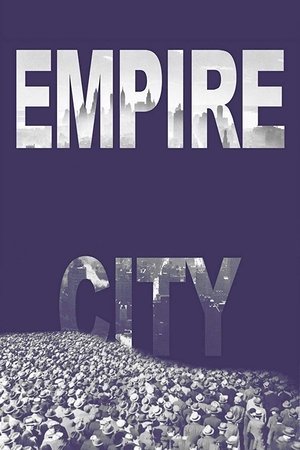
In 1910, the Pennsylvania Railroad successfully accomplished the enormous engineering feat of building tunnels under New York City's Hudson and East Rivers, connecting the railroad to New York and New England, knitting together the entire eastern half of the United States. The tunnels terminated in what was one of the greatest architectural achievements of its time, Pennsylvania Station. Penn Station covered nearly eight acres, extended two city blocks, and housed one of the largest public spaces in the world. But just 53 years after the station’s opening, the monumental building that was supposed to last forever, to herald and represent the American Empire, was slated to be destroyed.