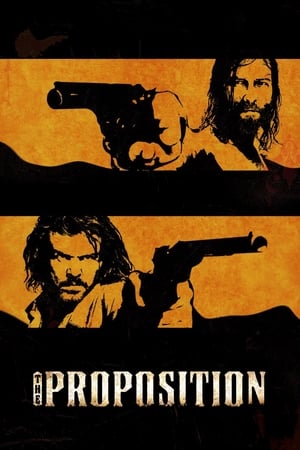
In 1880s Australia, a lawman offers renegade Charlie Burns a difficult choice. In order to save his younger brother from the gallows, Charlie must hunt down and kill his older brother, who is wanted for rape and murder. Venturing into one of the Outback's most inhospitable regions, Charlie faces a terrible moral dilemma that can end only in violence.
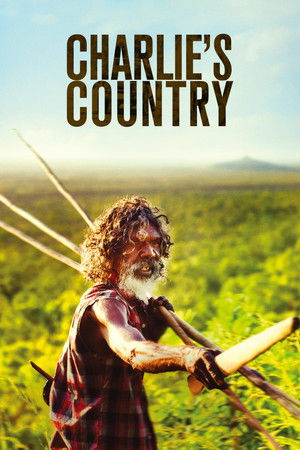
Blackfella Charlie is getting older, and he's out of sorts. The intervention is making life more difficult on his remote community, what with the proper policing of whitefella laws that don't generally make much sense, and Charlie's kin and ken seeming more interested in going along with things than doing anything about it. So Charlie takes off, to live the old way, but in doing so sets off a chain of events in his life that has him return to his community chastened, and somewhat the wiser.
A Sydney lawyer defends five Aboriginal people in a ritualised taboo murder and in the process learns disturbing truths about himself and premonitions.
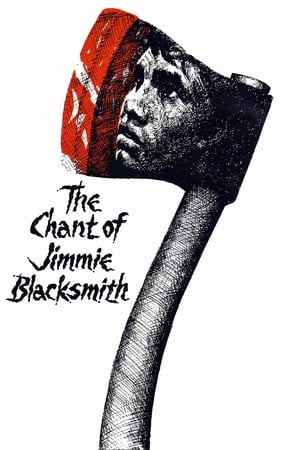
The true story of a part Aboriginal man who finds the pressure of adapting to white culture intolerable, and as a result snaps in a violent and horrific manner.
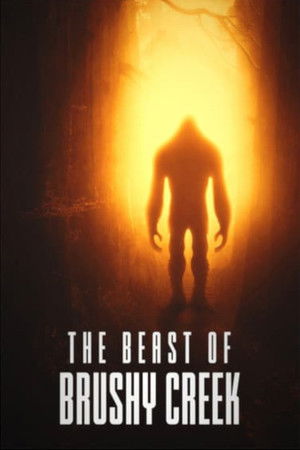
This doc investigates the odd occurrences that have happened for decades at a creek in Texas, which was an Ancient Native American burial ground.
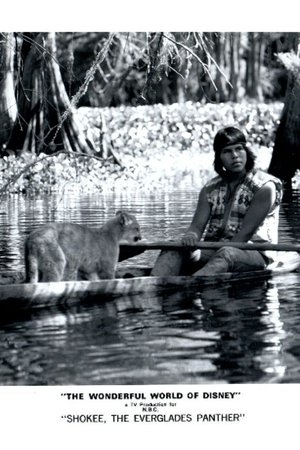
A Seminole boy spending the summer alone in the Everglades as a rite of passage helps a lost panther cub survive, but the village does not welcome him when he follows the boy home. The boy has to steal an airboat to take the panther deep into the swamp.
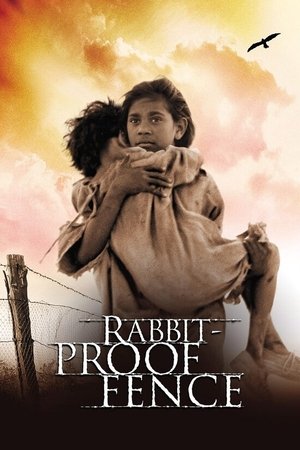
In 1931, three Aboriginal girls escape after being plucked from their homes to be trained as domestic staff, and set off on a trek across the Outback.
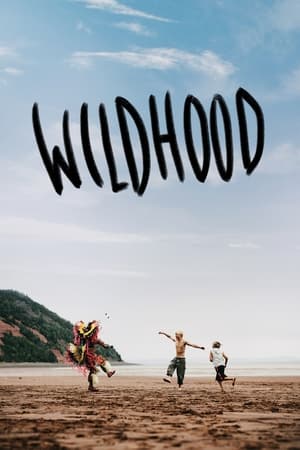
Link and his brother flee their abusive father and embark on a journey where Link discovers his sexuality and rediscovers his Mi’kmaw heritage.
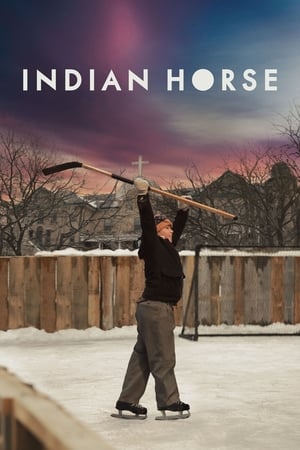
Follows the life of Native Canadian Saul Indian Horse as he survives residential school and life amongst the racism of the 1970s. A talented hockey player, Saul must find his own path as he battles stereotypes and alcoholism.
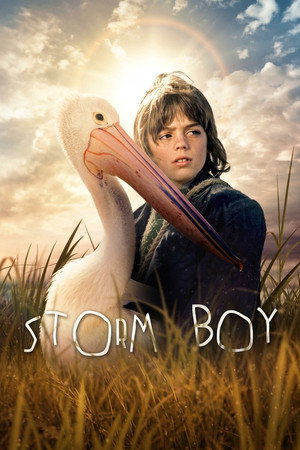
Mike is a lonely Australian boy living in a coastal wilderness with his reclusive father. In search of friendship he encounters an Aboriginal native loner and the two form a bond in the care of orphaned pelicans.
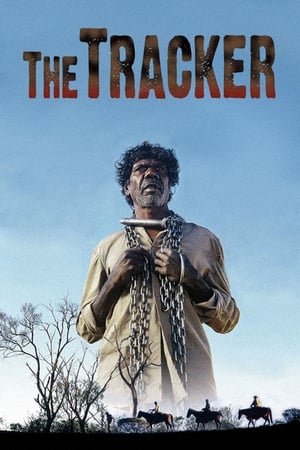
Somewhere in Australia in the early 20th century outback, an Aboriginal man is accused of murdering a white woman. Three white men are on a mission to capture him with the help of an experienced Indigenous man.
On a summer day in the 1950s, a native girl watches the countryside go by from the backseat of a car. A woman at her kitchen table sings a lullaby in her Cree language. When the girl arrives at her destination, she undergoes a transformation that will turn the woman’s gentle voice into a howl of anger and pain.
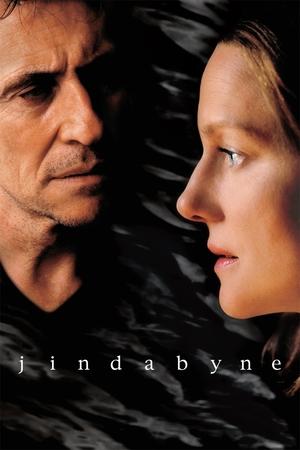
Outside the Australian town of Jindabyne, local man Stuart Kane is on a fishing trip with friends when they discover the body of a murdered girl.
Stoney Point Natives assemble at Ipperwash Provincial Park for what began as a peaceful protest.
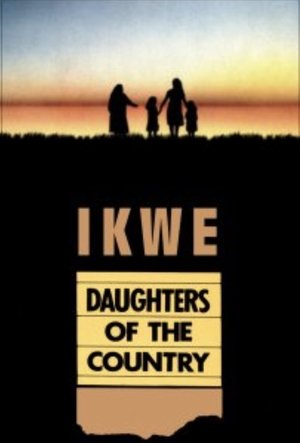
A young Ojibwa girl from 1770 marries a Scottish fur trader and leaves home for the shores of Georgian Bay. Although the union is beneficial for her tribe, it results in hardship and isolation for Ikwe. Values and customs clash until, finally, the events of a dream Ikwe once had unfold with tragic clarity.
An aboriginal girl is brought up by a white family that adopts her. As a young woman, she is mysteriously drawn to go "Walkabout" as people of her tribe have for hundreds of years.
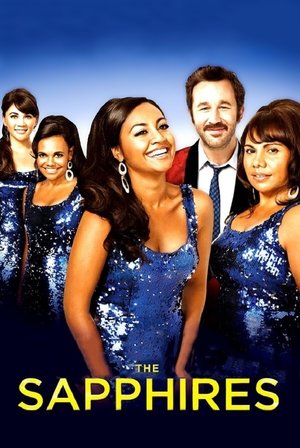
It's 1968, and four young, talented Australian Aboriginal girls learn about love, friendship, and war when they entertain the US troops in Vietnam as singing group The Sapphires.
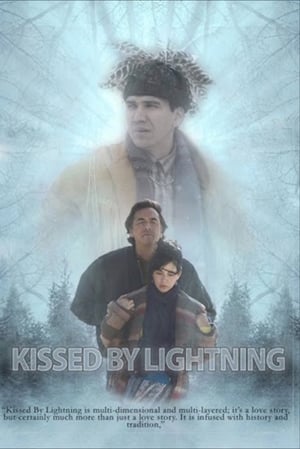
Mavis Dogblood is a Mohawk painter from Canada haunted by the tragic death of her husband, who was hit by lightning. She paints the stories he used to tell her, but she can’t come to grips with her loss. It is only after she drives to New York City for an art opening, traveling across what were her ancestors’ tribal lands, that Mavis reconciles herself to her new life.
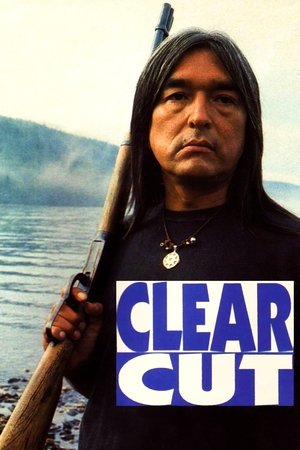
A white lawyer finds his values shaken when he is paired with an angry Indigenous activist who insists on kidnapping the head of a logging company to teach him the price of his destruction.
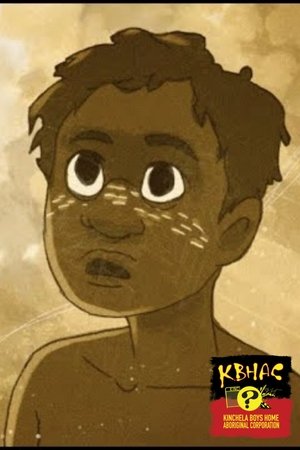
Between 1924 to 1970, Kinchela Boys Home in Kempsey, New South Wales, saw an estimated 400 to 600 Aboriginal children exposed to routine acts of cultural genocide and remains one of Australia’s most notorious institutions of the Stolen Generations. After being stolen from their families, country, and community, children were stripped of their names, given numbers, and subjected to ‘reprogramming’ and strict regimes of manual labour. We Were Just Little Boys is narrated by KBH survivors.