The intricate history of UFA, a film production company founded in 1917 that has survived the Weimar Republic, the Nazi regime, the Adenauer era and the many and tumultuous events of contemporary Germany, and has always been the epicenter of the German film industry.
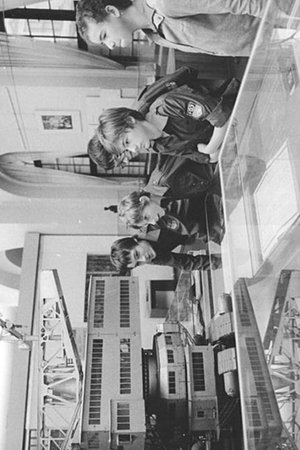
A day in the city of Berlin, which experienced an industrial boom in the 1920s, and still provides an insight into the living and working conditions at that time. Germany had just recovered a little from the worst consequences of the First World War, the great economic crisis was still a few years away and Hitler was not yet an issue at the time.
A film about three teenagers - Klara, Mina and Tanutscha - from the Berlin district of Kreuzberg. The trio have known each other since Kindergarten and have plenty in common. The three 15-year-olds are the best of friends; they are spending the summer at Prinzenbad, a large open-air swimming pool at the heart of the district where they live. They're feeling pretty grown up, and are convinced they've now left their childhood behind.
The film accompanies Jenny Gröllmann, a German actress, during the last two years of her life.
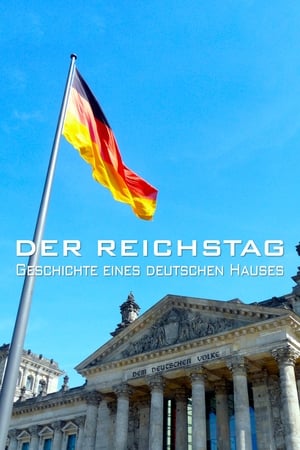
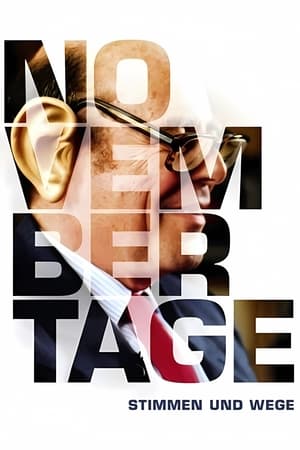
The film shines a light onto federal chancellor Angela Merkel and her now ending 16-year-long tenure. An era, not an episode. And a vagarious relationship history between the chancellor and the Germans. Who has changed whom here?
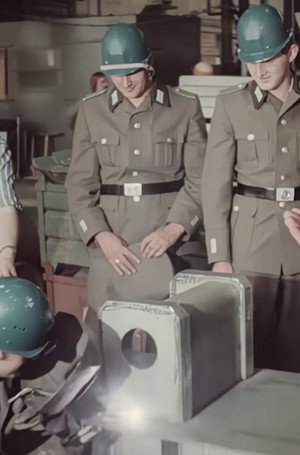
Former "Titanic" satire magazine editor Martin Sonneborn takes an undercover trip around Berlin and discovers the East-German mentality and what is left of the socialist German Democratic Republic.
A documentary produced by the French armed forces which chronicles the way of France’s “1ere armée” in the second world war from the days it first crossed the Rhine in March of 1945, through the liberation of a POW-camp in Swabia, until the forces reached the Danube and the Alps at the end of the war and the day French troops marched in the victory parade in Berlin.
A documentary about Berlin's former airport Tempelhof. A film about Departures and Arrivals. And about those Berliners who come here to escape from their daily lives and those refugees who came here to finally arrive somewhere.
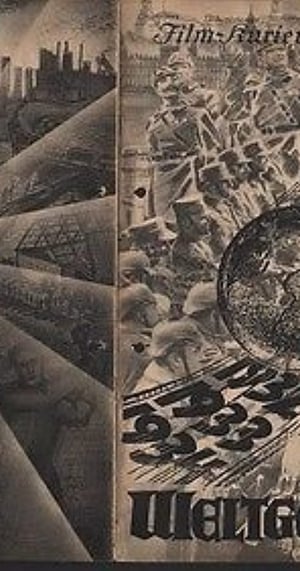
Produced by the Fox Movietone News arm of Fox Film Corporation and based on the book by Lawrence Stallings, this expanded newsreel, using stock-and-archive footage, tells the story of World War I from inception to conclusion. Alternating with scenes of trench warfare and intimate glimpses of European royalty at home, and scenes of conflict at sea combined with sequences of films from the secret archives of many of the involved nations.
Berlin, summer 1988: While Michael Jackson and Pink Floyd perform in the West, East Berliners can look forward to Bruce Springsteen, Depeche Mode and James Brown. The documentary reveals how the organizers enforced the concerts with the state authorities. On the anniversary of the fall of the Wall.
Check Your Body At The Door is a documentary film about some remarkable underground house dancers in NYC during the golden decade of the 1990s. It follows master free-stylists into the clubs, their jobs, and their everyday lives. Filmed in the studio as well, the dancers’ virtuosic moves are brilliantly revealed in silhouette or light pools. In their words they describe the importance of clubbing, why they dance, how they dance, and what it means.
Ahead of releasing 'Idols', his most personal album to date, and before anyone had heard a note, Yungblud and his touring family travelled to Berlin, where he would perform and record these brand new songs live for the very first time. A personal journey of change, confidence and rock-and-roll chaos, set against a city that has always celebrated counterculture and creativity, this is a revealing and uncompromising documentary about a generational artist finding his own voice.
Climate justice! OHNE KEROSIN NACH BERLIN is a campaign by the Students for Future, which is part of the Fridays for Future movement. In 2020, 60 people loudly carried the climate protest by bicycle from Cologne to Berlin. This film emerged from the movement and shows the activists' experiences up close.
Volksbühne am Rosa-Luxemburg-Platz 1992-2017. The end of the GDR gave rise to new artistic freedoms in reunited Berlin. Shortly after the fall of the Wall, rebel director Frank Castorf was appointed artistic director of the Volksbühne. His way of working altered the public’s perception of this theater. The chronological history of the Castorf era between 1992 and 2017 is told here in excerpts from the productions and in a series of conversations conducted on the long sofa in the theater's foyer.
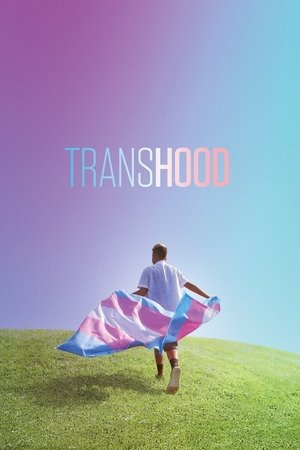
Filmed over five years in Kansas City, this documentary follows four transgender kids – beginning at ages 4, 7, 12, and 15 – as they redefine “coming of age.” These kids and their families show us the intimate realities of how gender is re-shaping the family next door in a unique and unprecedented chronicle of growing up transgender in the heartland.
Criminal Minded
Dr. Motte and Wladimir Kaminer, but also Schraubermicha, Joe Hatchiban and Ginger Brown - they all use it. The Mauerpark is located on the former death strip in Berlin. The Wall used to separate people from each other, but today the park reunites them. Punks lie next to mothers with children and artists paint next to basketball players. A unique mixture of madness and relaxation comes together here...
Audre Lorde, the highly influential, award-winning African-American lesbian poet came to live in West-Berlin in the 80s and early '90s. She was the mentor and catalyst who helped ignite the Afro-German movement while she challenged white women to acknowledge and constructively use their privileges. With her active support a whole generation of writers and poets for the first time gave voice to their unique experience as people of color in Germany. This documentary contains previously unreleased audiovisual material from director Dagmar Schultz's archives including stunning images of Audre Lorde off stage. With testimony from Lorde's colleagues and friends the film documents Lorde's lasting legacy in Germany and the impact of her work and personality.
Dragan Wende has lived in Berlin since the '70s and has seen the city change through the years. His nephew comes to live with him as Dragan remembers the better days he lived as a Yugoslavian immigrant in a divided city.
Berlin‘s past and future through the eye of an outsider - nothing but the naked truth by someone being torn apart by life and longing.