Tout s'explique
Viki, Köpi & Henkka - tieteen armoilla
Lifestyle related diseases, physical pain, and mental health. This program focuses on medical and health issues of interest, exploring effective countermeasures as well as methods of prevention.
Science’s Greatest Mysteries
Horizon tells amazing science stories, unravels mysteries and reveals worlds you've never seen before.
大科学実験
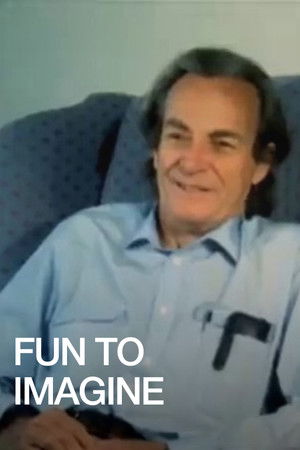
Richard Feynman, theoretical physicist, enjoys thinking aloud about the adventures science can offer. Here he uses physics to explain how the everyday world works, such as why rubber bands are stretchy, why tennis balls can't bounce forever, and what you're really seeing when you look in the mirror.
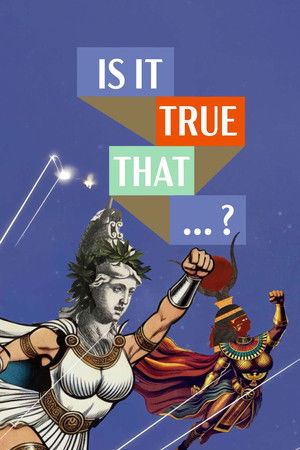
Did democracy actually originate in Greece? Was the plague the worst epidemic of all time? And did we really work harder in the past than we do today? Is it true that ...? questions what we think we know and takes another look at history.
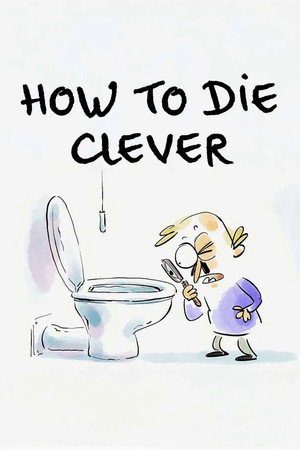
Professor Moustache and his assistant Nathanaël go the extra mile to answer your questions scientifically. Do we really eat spiders in our sleep? Can we shrink children just like in a film? And what happens when a murder happens in space? All your queries are resolved by our favourite knowledgeable professor.
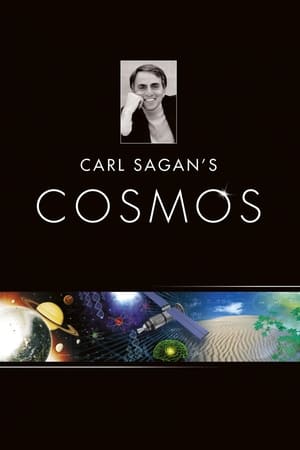
Carl Sagan covers a wide range of scientific subjects, including the origin of life and a perspective of our place in the universe.
MythBusters is a science entertainment television program created and produced by Australia's Beyond Television Productions for the Discovery Channel. The show's hosts, special effects experts Adam Savage and Jamie Hyneman, use elements of the scientific method to test the validity of rumors, myths, movie scenes, adages, Internet videos, and news stories.
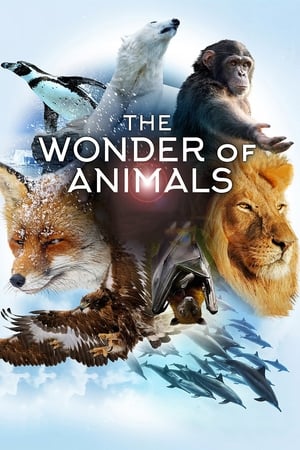
Chris Packham uses groundbreaking science and brand-new behaviour to delve deep beneath the skin and discover the unique features that have made certain animal groups successful.
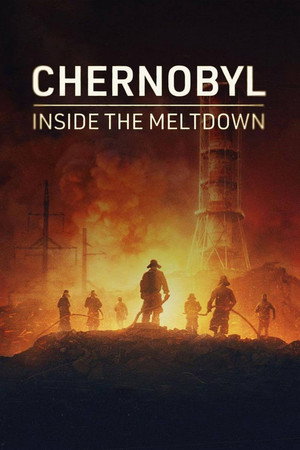
Featuring revealing interviews with survivors speaking publicly for the first time, alongside rare insight into the CIA and Soviet responses, this series exposes a web of secrecy, miscalculation, and human cost. Astonishing new footage from inside the nuclear exclusion zone reveals how this scarred landscape is once again under siege as war encroaches on one of the most dangerous places on Earth.
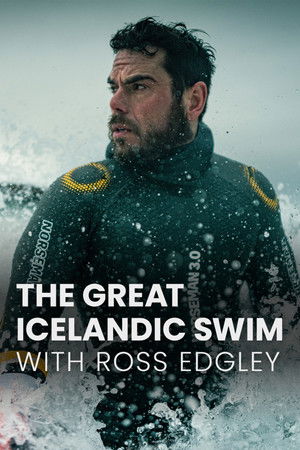
Sixty-foot waves, nosy killer whales, hypothermia, tongue rot. Ultra-athlete Ross Edgley attempts to swim all the way around Iceland - 1000 miles of icy water.
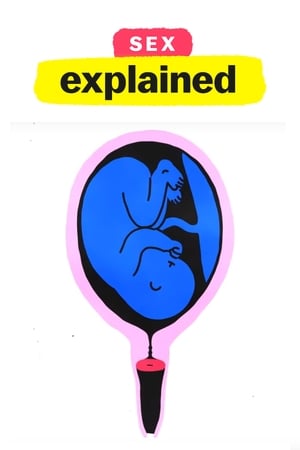
From the biology of attraction to the history of birth control, explore the ins and outs of sex in this entertaining and enlightening series.
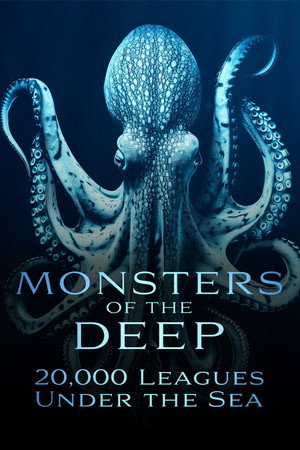
Exploring the world of deep-sea killers, revealing mysterious creatures with amazing CGI.
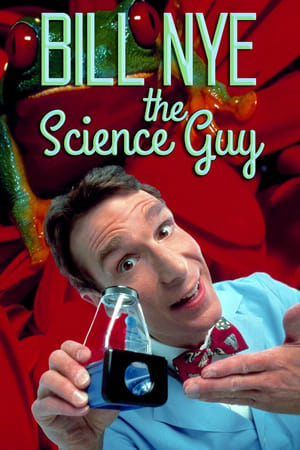
It's "Mr. Wizard" for a different decade. Bill Nye is the Science Guy, a host who's hooked on experimenting and explaining. Picking one topic per show (like the human heart or electricity), Nye gets creative with teaching kids and adults alike the nuances of science.
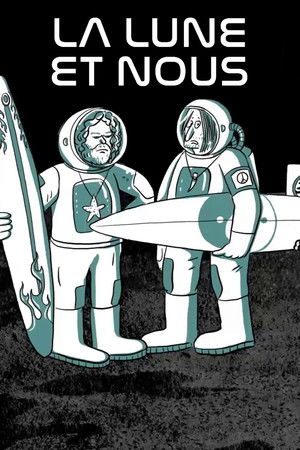
Science, superstition, culture: This animated documentary series delves into various aspects of man's relationship with the Earth's satellite.
The European Space Agency (ESA) has selected a new team of trained astronauts to go not only to the International Space Station, but also to the Moon with the Artemis mission. With the discoveries made by James Webb and new-generation launchers such as Ariane 6, there are many new developments in European space exploration.
Newton's Apple is an American educational television program produced and developed by KTCA, and distributed to PBS stations in the United States that ran from 1983 to 1999. The show's title is based on the rumor of Isaac Newton sitting under a tree and an apple falling near him—or, more popularly, on his head—prompting him to ponder what makes things fall, leading to the development of his theory of gravitation. The show was produced by Twin Cities Public Television. For most of the run, the show's theme song was Ruckzuck by Kraftwerk, later remixed by Absolute Music. Later episodes of the show featured an original song. An occasional short feature appeared called "Science of the Rich and Famous" in which celebrities appeared to explain a science principle.