A fascinating hybrid of performance and video verité, The Continuing Story of Carel and Ferd introduces Carel and Ferd, a couple who allowed Ginsberg to produce an ongoing documentary record of the intimate moments of their relationship. Carel, a porn actress, and Ferd, a drug addict, invite the camera to participate in their wedding, their sex life, and their break-up. Produced before the landmark PBS documentary An American Family introduced television audiences to the live-in camera — and many decades before the ubiquity of reality television — this document raises questions about the relationship between subject and camera, privacy and manipulation. Originally presented as an installation, this one-hour version, which includes interviews with Carel, Ferd and Ginsberg, was distilled from thirty hours of footage recorded from 1970 to 1975. - Electronic Arts Intermix
London 1976: Between economic crises and the Silver Jubilee, something is brewing in the squats and basement clubs of West London: Punk. A promise, a new beginning. Punk meant self-empowerment, especially for the women in the scene. For the first time, women picked up guitar, bass and drums, formed bands and wrote their own songs.
A visual essay about the 5 classic Giallo films by Italian director Sergio Martino.
Interview with Alberto Farina on his Father, the Italian writer and director Corrado Farina.
A visual appreciation of director Mario Bava's final full-length feature "Shock".
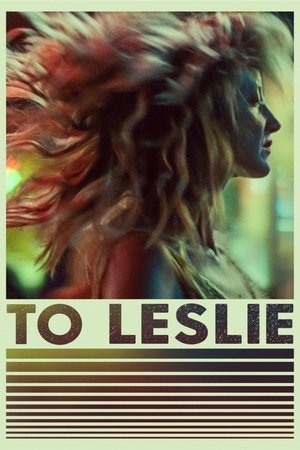
A West Texas single mother wins the lottery and squanders it just as fast, leaving behind a world of heartbreak. Years later, with her charm running out and nowhere to go, she fights to rebuild her life and find redemption.
A young groom seeking vengeance for his missing wife learns the truth of his philanthropic family's greed-driven intentions.
Un homme libre, Andreï Sakharov
From the rains of Japan, through threats of arrest for 'public indecency' in Canada, and a birthday tribute to her father in Detroit, this documentary follows Madonna on her 1990 'Blond Ambition' concert tour. Filmed in black and white, with the concert pieces in glittering MTV color, it is an intimate look at the work of the icon, from a prayer circle before each performance to bed games with the dance troupe afterwards.
This movie, made in 1969, documents the shattering story of a concentration camp survivor and his severe traumatisation, treated by Jan Bastiaans M.D. and his method of LSD psychotherapy.
Four years after a military coup overthrew the Brazilian government in 1964, all civil rights were suspended and torture became a systematic practice. Using a mix of fiction and documentary this extraordinary film is a searing record of personal memory, political repression and the will to survive. Interviews with eight women who were political prisoners during the military dictatorship are framed by the fantasies and imaginings of an anonymous character, portrayed by actress Irene Ravache.
A documentary on the life and work of Amácio Mazzaropi, a phenomenon of popularity and profitability of Brazilian cinema.
Documentary about the efforts to reconstruct Sam Fuller's The Big Red One closer to the film Fuller had originally envisioned.
After casting painter and video artist Mania Akbari as the central figure of his groundbreaking Ten (2002), and then witnessing her outstanding debut as a feature film director in 20 Fingers (2004), Abbas Kiarostami urged her to direct a sequel to the film. In Dah be alaveh Chahar (10 + 4), though, circumstances are different: Mania is fighting cancer. She has undergone surgery; she has lost her hair following chemotherapy and no longer wears the compulsory headscarf; and sometimes she is too weak to drive. So the camera follows her to record conversations with friends and family in different spaces, from the gondola she had famously used in her first feature to a hospital bed.
Franco Cristaldi e il suo cinema Paradiso
SWIM TEAM chronicles the overwhelming struggles and extraordinary triumphs of 3 young athletes with autism and shows how a swim team can bring hope to a community.
Join the BBC cameras as they go behind the glitter of Buckingham Palace and the pomp of Windsor Castle for a close-up look at the minutia of the monarchy. Culled from a year of unprecedented access to Queen Elizabeth II, the documentary trails the queen as she interacts one-on-one with her family, her staff, her public, and international heads of state. Go behind closed doors for Christmas with the royal family, eavesdrop on cocktail chatter with Ron and Nancy Reagan, and catch unguarded moments when the queen pilots her own jeep or romps with her dogs. Elizabeth R. is a once-in-a-lifetime glimpse into the everyday life of a queen.
According to a survey by the U.S. military government in 1946, 78% of the South Korean people wanted socialism and only 14% capitalism. By appointing the pro-Japanese collaborators and the rightists, Rhee Syngman, who had not received the people's support, massacred those groups and civilians that were political stumbling blocks. In dealing with the Jeju 4.3 uprising in 1947 and the Yeosun incident in 1948 and The Korean War having broken out, massive civilian massacre became regularized.
The Sophisticated Misfit is a long-awaited must-have for fans of the artist Shag and Tiki culture alike. This documentary traces the artist’s roots growing up in Hawaii, his artistic journey in college, his early work designing album covers, to his modern-day role as an art-world phenom. In addition to exclusive footage of Shag painting in his home studio, the film features intimate interviews with the artist, his family, artistic influences, tiki-philes, celebrity collectors, and fans.
Klaus Kinski has perhaps the most ferocious reputation of all screen actors: his volatility was documented to electrifying effect in Werner Herzog’s 1999 portrait My Best Fiend. This documentary provides further fascinating insight into the talent and the tantrums of the great man. Beset by hecklers, Kinski tries to deliver an epic monologue about the life of Christ (with whom he perhaps identifies a little too closely). The performance becomes a stand-off, as Kinski fights for control of the crowd and alters the words to bait his tormentors. Indispensable for Kinski fans, and a riveting introduction for newcomers, this is a unique document, which Variety called ‘a time capsule of societal ideals and personal demons.’