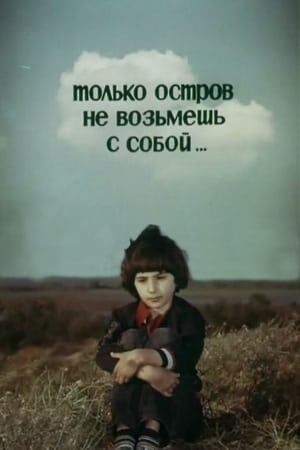
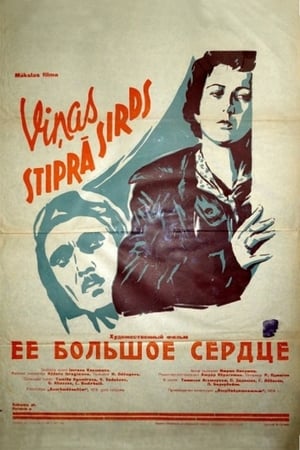
War breaks out in the Caucasus. 75-year-old Maria loses her son in the war. She and her daughter-in-law Sofia have been living in the Caucasus for 12 years. When famine strikes, they want to move to Russia. The women decide that they must go to Moscow. Maria takes her little dog and Sofia her small suitcase, gets on the train and sets off. In the next compartment, photojournalist Alexander is also traveling. Sofia and Alexander love each other. Maria realizes at one of the stations near Volgograd that she cannot live without the Caucasus. She writes a letter to Sofia and leaves the train with her dog...
Film exposes the corruption and the decadence of the late Soviet bureaucracy in Azerbaijan SSR through the eyes of a naive Azerbaijani adult man, Hatem.
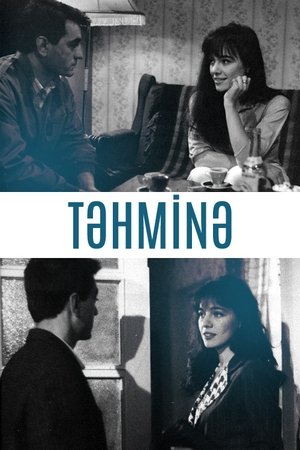
This Azerbaijani romantic drama depicts the love affair between Zaur, a man from an affluent family, and Tahmina, a divorced woman doing her best to survive in a conservative society.
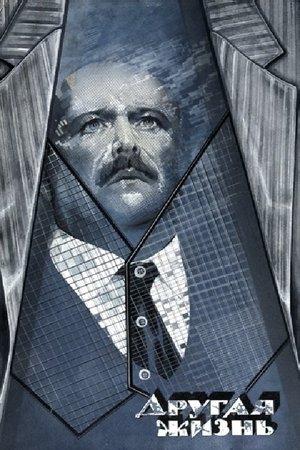
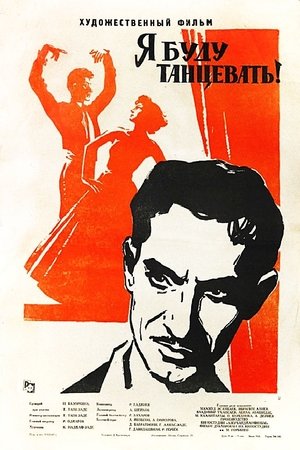
Psychological drama about a university dean who leads a double life.
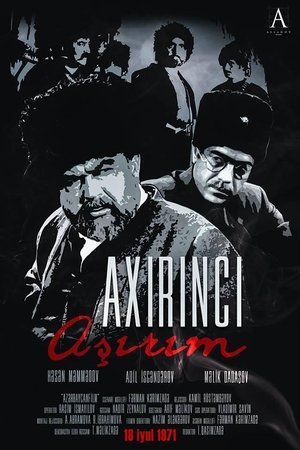
Based on a novel by Farman Karimzade, the movie shows the life in an Azerbaijani village under the Soviet rule in 1930s. Here two former "beys" (land owners) are opposing each other. One is loyal to the ideology of the past and can't reconcile himself to the new power, to second rejects the past and accepts the power of the Bolsheviks, believing that it will establish justice.
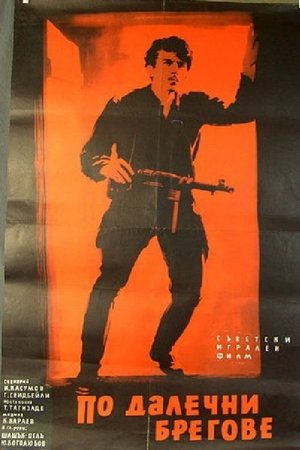
The film portrays the life of the legendary Azerbaijani guerrilla of the Second World War Mehdi Huseynzadeh, who fought the Nazi forces in the present-day Italy and Slovenia, hence the film's name On distant shores referring to the Adriatic Sea.
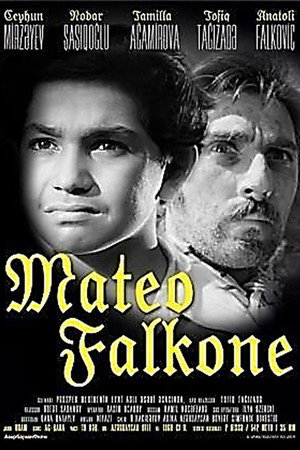
Matteo Falcone is an Azerbaijani short drama film based on Prosper Merimée's like-named story from 1829. Matteo Falcone is a successful Corsican, who lives with his wife Giuseppa and 10-year-old son Fortunato. One day he leaves home with Giuseppa, leaving Fortunato alone.
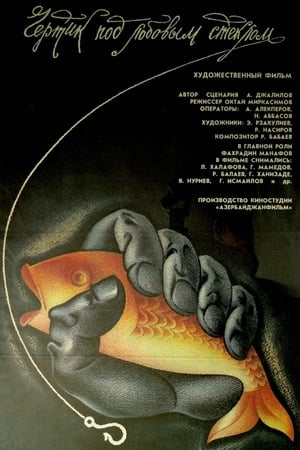
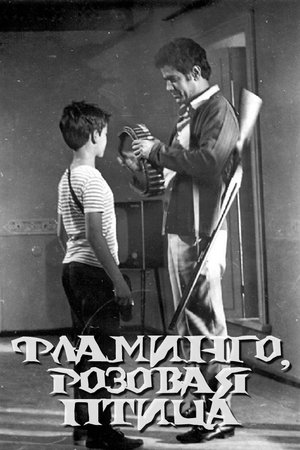
A journalist is investigating a group of poachers who are illegally selling the huge amounts of fish
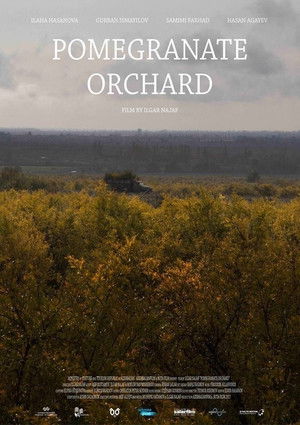
Inspired by Anton Chekhov's The Cherry Orchard, the film follows a prodigal son who returns after 12 years. His reappearance at the family home in rural Azerbaijan significantly alters their way of life.
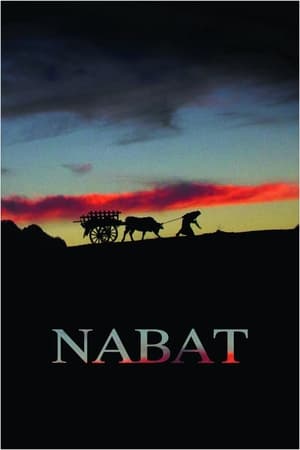
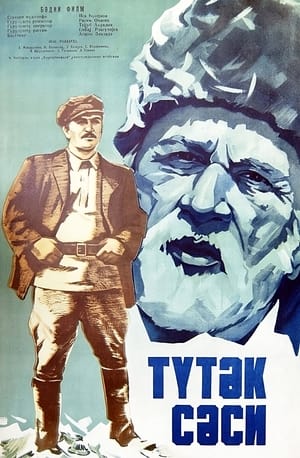
The story is set during an upsurge in the Nagorno-Karabakh conflict and revolves around an old, sick ex-forestry worker and his wife Nabat, whose son has died in battle.
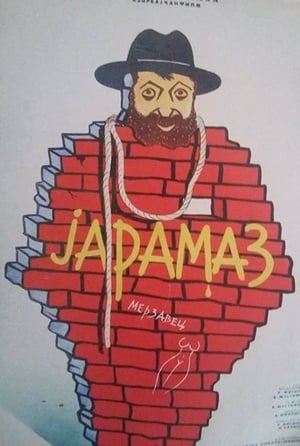
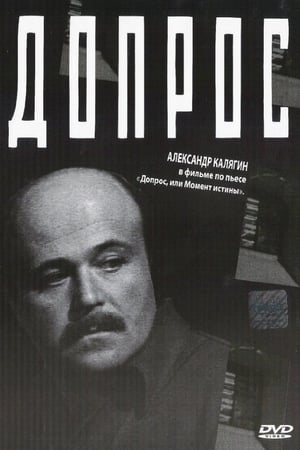
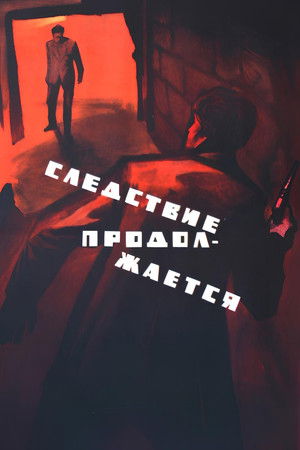
The investigator Seyfi Ganiyev runs the case of an illegal mercery shop's head Murad Abiyev, who confessed in embezzlement of one million rubles from public funds. Abiyev is also accused of the murder of an underage girls that occurred in Riga shortly after Abiyev saw her. He denies his guilt, but does not name the perpetrators though he knows them, despite the fact that he is facing the death penalty. The investigator understands that some high-ranking officials stand behind Abiyev, but he has no proof. Ganiyev seeks to obtain from the prisoner the whole truth to bring the criminals to justice.
"Buta" is the story of a lonely 7-year old boy (named Buta), who lives in a mountain village with his grandmother. He is befriended by an old man, a liquid soap merchant who once loved (and lost) Buta's grandmother. The old man's friendship and wise advice helps Buta to overcome his difficulties in life. Buta's grandmother, in the meantime, is weaving a special carpet in memory of Buta's mother. The carpet features a special pattern (also called "Buta"), which represents love. The boy is inspired by his grandmother's work, and decides to make his own "buta" made of rocks and stones, high on the top of the mountain...
This film was based on Samad Vurgun's "Komsomol poem". Seven sons, like seven samurai become the seven komsomols (communist leaders) who were sent to a village to establish Soviet power. Seven sons become the romanticized images of people's heroes ready to take revenge.
The film is about the public prosecutor who fought against the criminality but was killed by them.
The oil industry is emerging in Baku. A poor young man named Jalil accidentally becomes the owner of an oilfield site. But unexpected wealth brings him one misfortune after another. His friends turn away from him, and the woman he loves leaves for another. A hero who dreamed of a home will never create a family.
A soldier recently returned home finds it hard to scrape by, and the girl he loved married.
The film is about the stepmother who tried to be a real mother of a boy. But she could be a real mother only after some difficult events for her and child.
The film is about man and woman who remembered their childhood. The film reflects atmosphere of Baku. It is an adaptation of Anar Rzayev's "Georgian surname" novel.
The novelette was written by I.Huseynov. In the film, the problem of war is viewed from the perspective of love. Almost all of the men of the village are at the battlefront. The women who stayed in the night and day to support their efforts. Children wake up in the middle of the night, crying for bread. All of the villagers feel anxious for the men to return. Mothers are waiting for their sons; wives, for their husbands and children, for their fathers. When Sayali's husband dies at the front, her husband's friend Jabrayil proposes to her. The people of the village are furious. Jabrayil's brothers leave home, convinced that their family has been disgraced. One brother goesw crazy; the other fall ill and dies. The only person who doesn't blame Jabrayil is the "agsaggal" (the wise old man) of the village - Isfandiyar Kishi. In this film, note single sound of weaponry is heard, not are any battle scenes depicted, yet we still witness the inherent tragedy of war.
The film is about the revolution which began bacause of dissemination of Bolshevik ideas among workers.