As a teenager in the '90s, Soleil Moon Frye carried a video camera everywhere she went. She documented hundreds of hours of footage and then locked it away for over 20 years.
Iggy Pop reads and recites Michel Houellebecq’s manifesto. The documentary features real people from Houellebecq’s life with the text based on their life stories.
Painter Zdzisław Beksiński, his wife Zofia and their son Tomasz, a well-known radio journalist and translator, were a typical and unconventional family, both at the same time. One of the father’s obsessions was filming himself and his family members. Using archival footage only, shot primarily by Zdzisław, as well many other materials, which have not been presented anywhere so far, the film tells a tragic story of the Beksińskis that has never ceased to fascinate Polish filmmakers.
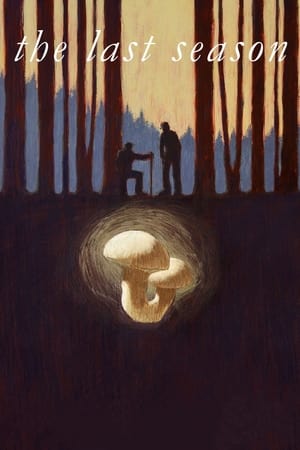
A feature-length documentary exploring the unsolved murder of French bicyclist Alain Malessard who was found dead in an Oregon Coast campground on Thanksgiving 1987.
A core group of architects embraced the West Coast from Vancouver to LA with its particular geography and values and left behind a legacy of inspired dwellings. Today, architects celebrate the influence established by their predecessors.
Award-winning French writer Christine Angot goes on a business trip to Strasbourg where her father lived before dying several years ago. It is the city where she met him for the first time at the age of 13, and where he sexually abused her over the following years. His wife and children still live there. Angot takes a camera and knocks on the doors of her family to push them to clarify their attitudes to her father’s crime that stretched over so many years. A cinematographic journey that challenges social norms and family perspectives in dealing with incest.
“Being Jérôme Boateng” tells the story of a soccer world champion between triumph and downfall. From the soccer field to the 2014 World Cup title, from celebrated symbol of integration to convicted perpetrator of intentional bodily harm against his ex-partner. The documentary series looks behind the façade of professional soccer—a system that produces heroes but neglects people. It also addresses the question of how a soccer player is stylized into a role model by the media and society and burdened with excessive expectations. Boateng's story is thus also one of false projections that encourages us to reflect on our treatment of and longing for sports idols: What do we want to see in them? Do soccer players have to be heroes?
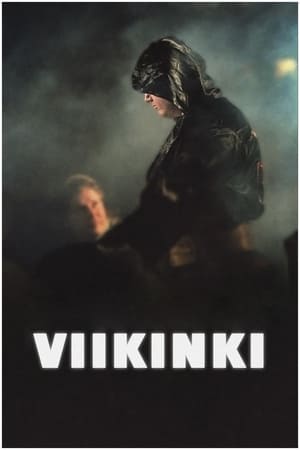
Documentary film about Tony Halme, masculinity and populism. The film follows how Tony Halme created a mythical, highly masculine freestyle wrestling character, The Viking, who gained fame both in the ring and in the public eye and eventually became captivated by it. With his brash speeches, Halme fired the starting shot for the rise of the Finns Party. The voice of a forgotten section of the population, a protest against the ruling elite, were the building blocks of Halme's popularity. Halme's great popularity has served as a good example of a populist figure, admired within the deep ranks of the nation, who comes from outside the political elite and changes the direction of politics. Also, despite - or perhaps because of - his openly racist statements, he was part of changing the political climate in Finland to a more acrimonious one.
In 1999, 11-year-old Nisha Platzer lost her older brother, Josh, to suicide. Twenty years later, her search for a specialized medical treatment leads her to the door of someone who was once exceptionally close to Josh. And so it is that she finally has the chance to truly know her brother through his chosen family. Captured over five years in which synchronicities continually manifested, Platzer’s documentation of these encounters gently asserts that both grieving and healing are meant to be communal experiences.
An overview on different difficult personality types and how to deal with them in personal and professional settings.
In May 1998, a year before the massacre at Columbine High, 15-year-old Kip Kinkel murdered his mother and father, and then opened fire at Thurston High School in Springfield, Oregon, killing two fellow students and wounding 25 others. In this first in-depth television examination of a school shooter, FRONTLINE reveals the intimate inside story of how the “shy and likeable” Kip Kinkel from a solid middle-class family became the boy police call “a cold-hearted killer.”
1962. A crystalline voice becomes a planetary tube. A Belgian nun jostles Elvis and the Beatles on the world charts. Her name: Sister Smile. A popstar with the trajectory of a comet who understands her success no more than the double meaning of her words… The harder the fall will be. Even God does not protect sharks' appetites or pretenses of success! Who killed the little voice of God? Here is the tragic story of an innocent voice, of an extraordinary fate, almost of a curse ...
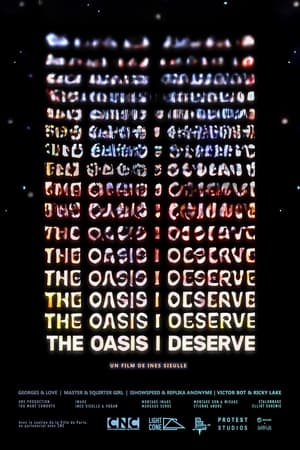
A fake-diary film from memories of the time I couldn’t remember, using only the traces I could recall.
The film examines the death of the anarchist Giuseppe Pinelli, who fell from the fourth floor of the police headquarters in Milan December 15, 1969, after being stopped following the Piazza Fontana bombing.
More than 50% of transgender boys have attempted suicide. Through two life stories, directors Lexie and Logan unravel why their community is particularly vulnerable to living and dying quietly.
Camille Claudel, sculpter pour exister
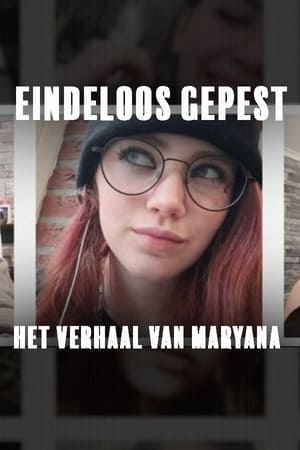
From a teenager's suburban bedroom to the boardrooms of Silicon Valley, this is a story of a heartbroken father's quest to uncover the truth behind his daughter's death and his fightback against how the most powerful corporations of the modern age operate.
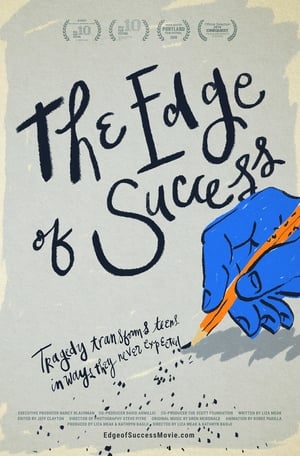
An up-to-date look at Youth Suicide with an examination of the warning signs, statistics and causes, along with possible ways teachers and parents can use to help their child overcome this important social issue. Also includes a look at the media and its handling of the social issue through the Netflix series "13 Reasons Why" and the Tony Award-winning Broadway musical, "Dear Evan Hansen."
On the night of Oct. 2, 2005, Hart and Dana Perry's 15-year-old son Evan jumped to his death from his New York City bedroom window. This moving film is the story, told by his filmmaker parents and others who knew him, of Evan’s life and death, and his life-long struggle with bipolar disorder. It delves into the complexity of Evan's disease, sharing his family's journey through the maze of mental illness. In showing how one family deals with generations of loss and grief, the film defies the stigma related to mental illness and suicide and tells a human story that touches everyone.
Jöran has a bipolar disorder, which makes him vulnerable to depression, mania and psychosis. He can sympathize well at the moment, but that has been different in the past. Jöran delves into his dark past and talks to the people who experienced his illness up close. How do you deal with this disorder and the misunderstood behavior that comes with it? And how do you break the taboo that still exists on disease pressure?