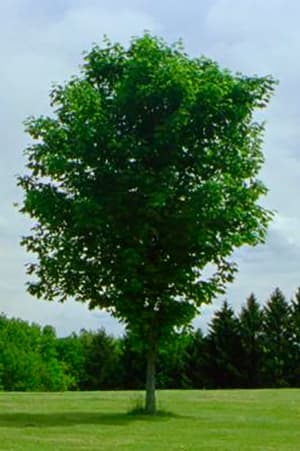
Structural study of a tree. Light, water and air coax it out of the soil in a manner foregrounding time’s relativity to different forms of life on Earth. Made the day my brother got his fork-lift license.
For centuries, wild boars were hunted to near extinction. But today, thanks to their resilience and smarts, their numbers are increasing across Europe.
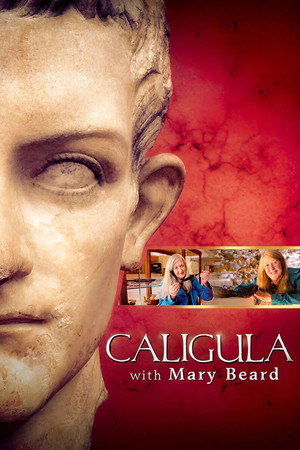
What is true and what is false in the hideous stories spread about the controversial figure of the Roman emperor Gaius Julius Caesar Augustus Germanicus (12-41), nicknamed Caligula? Professor Mary Beard explains what is accurate and what is mythical in the historical accounts that portray him as an unbalanced despot. Was he a sadistic tyrant, as Roman historians have told, or perhaps the truth about him was manipulated because of political interests?
Píseň lesa
Océania, les gardiens de l'océan
Hand processed expired Kodak 7291, Camera: Beaulieu R16, Lens: Angenieux 12-120mm with +3 Diopter, Polarising filter for the clouds. Hand processed in C-41 chem using a Lomo UPB-1A tank. Still haven't mastered removal of the rem-jet anti-halation layer (thats all the white 'static' on the film). The film expired about 40 years ago.
A journey that follows the Ganges from its source deep within the Himalayas through to the fertile Bengal delta, exploring the natural and spiritual worlds of this sacred river.
Píseň léta
Krásná vlast
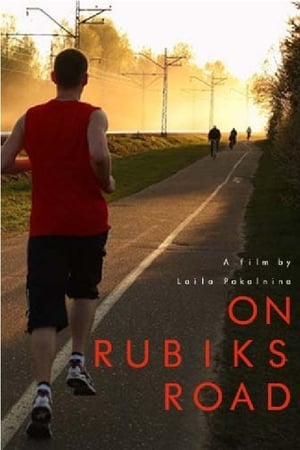
Rubiks’ Road is a bicycle path built in the 1980s and named after Alfreds Rubiks, leader of the Latvian Communist party at the time. One of the most ferocious opposers to Latvia’s independence in the early 1990s and later elected to the European Parliament.
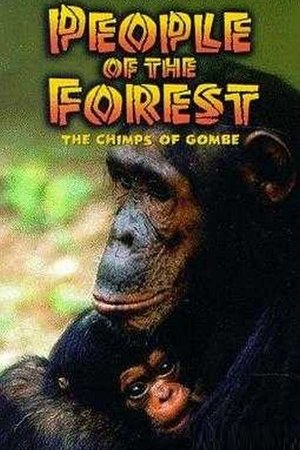
Documentary about chimps in Gombe.
Natural Wonders Galapagos
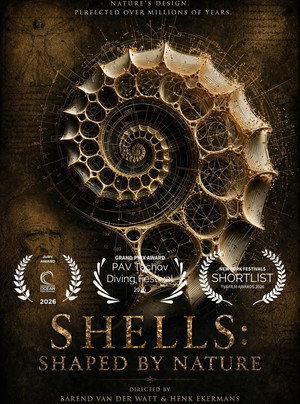
Since the dawn of time, Nature has sculpted the oceans with her delicate hand, weaving the tapestry of life in the shimmering depths and sunlit shallows. With infinite care, she conjured snails and mollusks to inhabit diverse marine realms around the African continent, each a reflection of her boundless creativity and wisdom. These delicate spirals, with their tender curves, ensnare our imagination, inspiring art, shaping cultures, adorning garments, and even serving as currency in ancient economies. "Shells: Shaped by Nature" is an artistic tribute to the enigmatic splendor of shells, celebrating these intricate marvels that grace Africa’s marine realms.
With 30 football fields of forest lost each minute in the world, we need to know now if we can save nature. This is the story of one conservation project, Restorasi Ekosistem Riau (RER). After decades of land-clearing and burning across Sumatra, the remote Kampar Peninsula is now the last great peatland rainforest on the island. But protecting this vast ecosystem pushes the RER team to the limits
Follows Cousteau on a trip to Antarctica with 6 children, each chosen to represent one of the other continents in order to raise awareness about the global significance of Antarctica, the continent most crucial to world climate regulation.
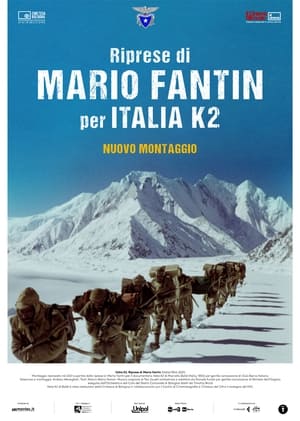
After the successful conquest of Everest in 1953, two Italians reach the summit of K2, the second highest mountain in the world, the next year,after careful preparation and the formation of the team of climbers, scientists, and porters.
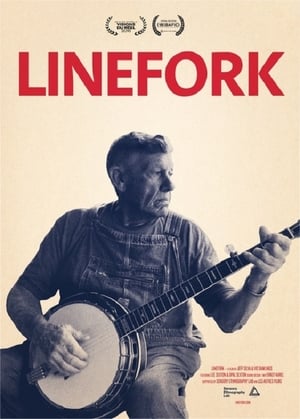
Lee and Opal Sexton live in the mountains of Eastern Kentucky, farming the land where Lee was raised. Lee is a retired coal miner and revered banjo legend, a living link to the deep past of American music. Though now well into his eighties and hampered by age, Lee continues to perform and teach his distinctive 2-finger banjo style to a new generation eager to preserve a vanishing cultural tradition. Linefork offers an immersive view of Lee and Opal's daily rituals and inherent resilience while documenting the raw yet delicate music of a singular musician, linked to the past yet immediately present.
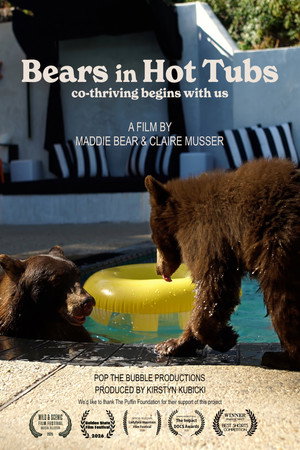
As wild bears adapt to suburban life, they show us we're not so different. Co-thriving begins with us.
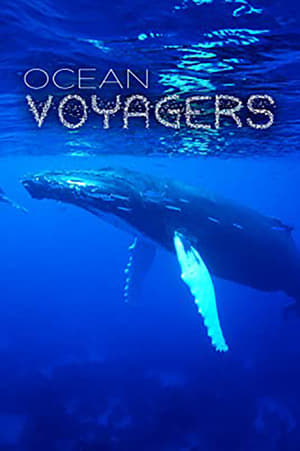
Ocean Voyagers explores the familiar themes of motherhood and parenting in a world as unfamiliar as it is breathtaking. Featuring a precocious newborn humpback calf and his enormous 40 ton mother, we are taken on a journey of discovery into their world.
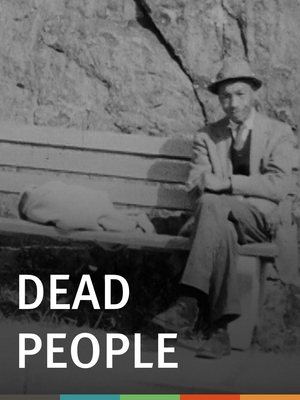
Filmed in 1974 and edited and released in 1983 (and then rereleased by its director in 2005), DEAD PEOPLE purports to document the final years of Frank Butler, a local fixture in the depressed burg of Ellicot City with a particular fondness for drink and tales of the dead. Over hazy 16mm footage two decades later, Deutsch adopted a painfully unsentimental view of his early approach, colored as it was by notions of ethnographic film and an undercurrent of fetishism for a man he considered somehow more "alive" than himself. While it chafes against notions of authenticity in documentary and incisively hints at the complicity of the subject in inventing his own history, DEAD PEOPLE simultaneously oozes nostalgia, transcending its own judgment as a gauzy memorial for the man Deutsch once called a friend.