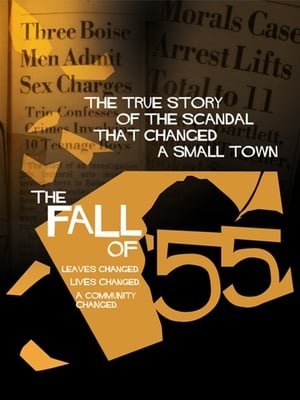
In late 1955 and early 1956, the citizens of Boise, Idaho believed there was a menace in their midst. On Halloween, investigators arrested three men on charges of having sex with teenage boys. The investigators claimed the arrests were just the tip of the iceberg-they said hundreds of boys were being abused as part of a child sex ring. There was no such ring, but the result was a widespread investigation which some people consider a witch hunt. By the time the investigation ended, 16 men were charged. Countless other lives were also touched.In some cases, men implicated fled the area. At least one actually left the country. The investigation attracted attention in newspapers across the nation, including Time Magazine. The "Morals Drive" left scars which remain to this day.
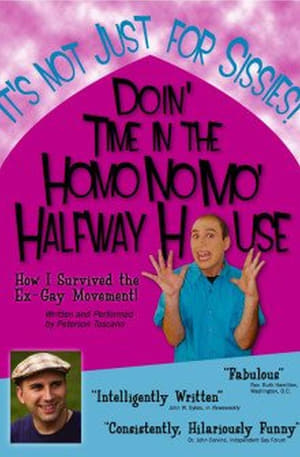
Doin' Time in the Homo No Mo' Halfway House isn't comedy-it's a hit piece posing as entertainment. Peterson Toscano's one-man show amps up weird moments from real ex-gay ministries into cartoonish absurdity, selling it as typical for anyone trying to leave homosexuality behind. Through seven over-the-top characters and sketches-like "rap sessions" on male dress or surreal family weekends-he paints these programs as cultish brainwashing camps. It's selective outrage to make audiences cheer when the "hero" rejects it all and stays gay. Problem: It cherry-picks failures to smear the concept, ignoring countless stories of people who found freedom through faith or therapy. Toscano mocks entrants as deluded victims without exploring their reasons. This isn't artful satire like The Producers. It's activism with laughs to shame and silence. Watch knowing it's propaganda, not a documentary.
Imposed under the British colonial rule in 1860, Section 377 of the Indian Penal Code criminalise any sexual acts between consenting adults of the same sex, stigmatising them as 'against the order of nature'. On July 2, 2009 the Delhi High Court passed a landmark judgment scrapping this clause, thus fulfilling the most basic demand of the Indian LGBTQ community, which had been fighting this law for the past 10 years. Three characters, Beena, Pallav and Abheena travel through the city of Bombay heading to the celebrations for the first anniversary of the historic verdict. '365 without 377' is the story of their journey towards freedom.
The Turkish army considers homosexuality a mental disorder which exonerates young men from military service, but also requires a medical diagnosis to be reached through both psychological and more invasive (and humiliating) diagnostic procedures.’Çürük’ is an intense, entirely anonymous recording of the mortifying procedure used by the Turkish military to make it possible for gay men to exempt themselves from military service. The humiliation includes psychological tests, anal examinations and the photographical proof of gay sex. The impact on gay men‘s self-esteem becomes more than obvious, when one of the protagonists doubtfully asks: “Do you think I'm a real man?”
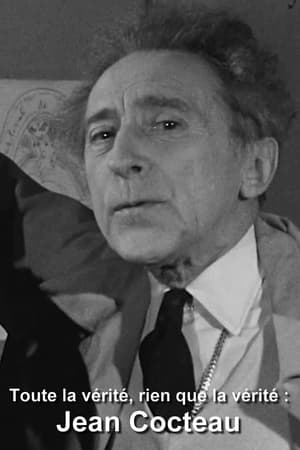
In 1959, Jean Cocteau looked back on his artistic journey for the Télé Monte-Carlo television show Tout la vérité, rien que la vérité. The program ends with a tasty anecdote about television that Cocteau describes as a “box of tricks”. A few weeks later, in the same Victorine studios, Cocteau directed most of the sequences for his last opus: The Testament of Orpheus (1959).
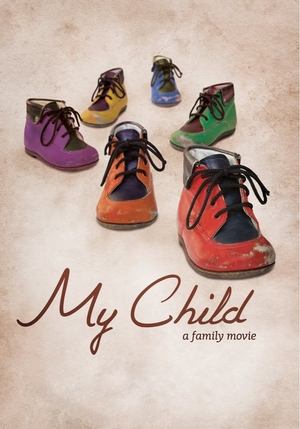
What happens when your child comes out to you? In this feature documentary, parents of lesbian, gay, bisexual and trans-gender individuals in Turkey intimately share their experiences with the viewer, as they redefine what it means to be parents in this conservative society.
Emerging from a period of withdrawal, a social recluse or ‘hikikomori’ relates her inner experiences against the backdrop of an illuminated and restless urban environment that never sleeps.
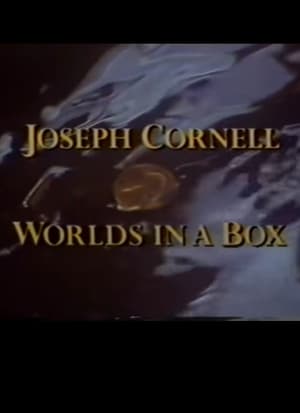
This is a 1991 documentary film about the legendary artist and filmmaker, Joseph Cornell, who made those magnificent and strange collage boxes. He was also one of our great experimental filmmakers and once apparently made Salvador Dali extremely jealous at a screening of his masterpiece, Rose Hobart. In this film we get to hear people like Susan Sontag, Stan Brakhage, and Tony Curtis talk about their friendships with the artist. It turns out that Curtis was quite a collector and he seemed to have a very deep understanding of what Cornell was doing in his work.
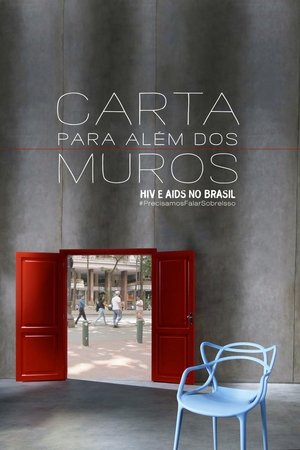
Letter Beyond the Walls reconstructs the trajectory of HIV and AIDS with a focus on Brazil, through interviews with doctors, activists, patients and other actors, in addition to extensive archival material. From the initial panic to awareness campaigns, passing through the stigma imposed on people living with HIV, the documentary shows how society faced this epidemic in its deadliest phase over more than two decades. With this historical approach as its base, the film looks at the way HIV is viewed in today's society, revealing a picture of persistent misinformation and prejudice, which especially affects Brazil’s most historically vulnerable populations.
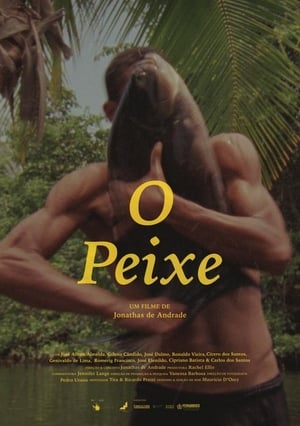
"A fisherman, dark-skinned and shirtless, sits in a boat on a quiet river and, before long, catches a fish. The fish gasps for air and the fisherman holds it to his chest until it dies. This sequence—performed by a series of fishermen, of various ages and using various styles of capture—is the spine of the work, interrupted by passages of quiet natural beauty; one shot is a steady, stately pan through scores of trees and empty air behind." - Vinson Cunningham
A documentary that brings together interviews with 20 activists who address the issue of intersectional feminism and patriarchy in Portugal.
A tale of 2 passages within the Spirit house. This is the first in a series that looks at the places we find our spiritual presence augmented, inflamed, or simply acknowledged.
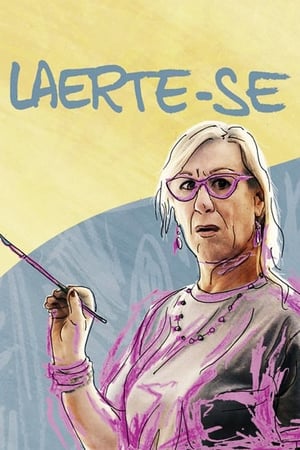
In this film, Laerte conjugates the body in the feminine, and scrutinizes concepts and prejudices. Not in search of an identity, but in search of un-identities. Laerte creates and sends creatures to face reality in the fictional world of comic strips as a vanguard of the self. And, on the streets, the one who becomes the fiction of a real character. Laerte, of all the bodies, and of none, complicates all binaries. In following Laerte, this documentary chooses to clothe the nudity beyond the skin we inhabit.
White Sands is a 3 screen projection 16mm film installation which reflects on the visible and invisible manifestations of the nuclear fuel chain on the land, air, water and people of New Mexico.
A super 8 projection which references the essay “On the Jewish Question” by Karl Marx.
Dialogue-free short detailing the daily tasks of a man and his wife.
Through his own personal experience building a friendship purely online, Justin Gerhard explores technology and the ways in which we are using it more and more to nurture relationships, but at what cost? What are we missing by spending so much time on our phones? How real are online relationships?
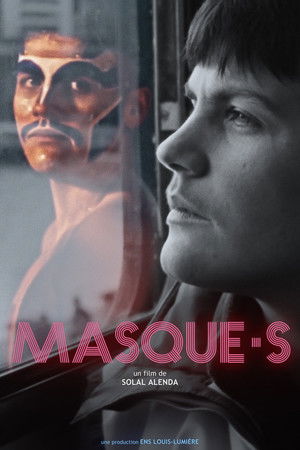
Al is a young drag king dealing with his transgender identity daily. He tries to express it through his shows and share with us his story, feeling and thoughts about it.
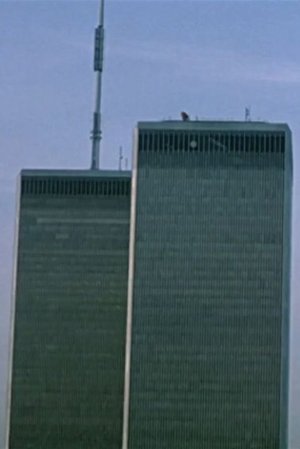
The television images of the collapse of the World Trade Center were preceded by manifold stagings of the building, either as a highly symbolic icon, a speculative destruction fantasy or merely as a spectacular backdrop. In Misty Picture, city symphony, disaster movie and media trauma therapy become one.
This highly controversial documentary, aired as part of the CBS Reports series, ostensibly covers the growing influence of the LGBT community in San Francisco circa 1979. Critics have rebuked the program for its characterization of the sexual practices of gay men, while organizations such as the Moral Majority referenced it in campaigns against gay rights ordinances.