The documentary focuses on the story of QueerFest, the first and only LGBTI+ film festival in Turkey, which has been organized in Ankara since 2011. Through interviews with the founders of QueerFest, volunteers and staff who have contributed to the festival, the 14-year journey of the festival and the culture and arts landscape shaped by Turkey's political climate are told. QueerFest's self-organizational connection with the Pink Life Association, its connection with the “lubunya” (queer community) of Ankara and the cultural capital it inherited from there, is transformed into a powerful political voice by developing the practice of mobilizing through art. Since 2017, the festival has continued its resistance against the bans and heavy censorship obstacles every year and opens a space for many queer people living in Turkey who are interested in the field of culture and art and want to produce in this sphere.
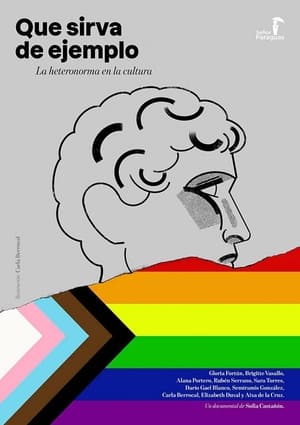
What is heteronormativity, what does it mean for men and women, what is the cultural canon, does culture reflect or does culture construct? We reflect on all this by putting in dialogue ten people who, from different fields of culture, have thought about this.
Sexual minorities were oppressed, imprisoned and murdered by the Nazis. Paragraph 175 criminalized homosexual men during the Nazi era – but the Nazis also discriminated against lesbians and trans people. They should be excluded from the national community. More than 50,000 queer people have been proven to have been persecuted. The documentary highlights three poignant fates in the context of Nazi terror.
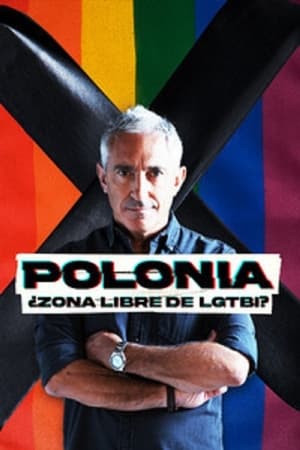
Jon Sistiaga takes an immersive trip to Poland, a country divided into two zones: on the one hand, the urban and pro-European, and on the other, the rural and ultra-Catholic, still anchored in the traumas of the war and the post-war period. Is Poland a homophobic country or does it have a homophobic government? How does the European Union allow this situation?
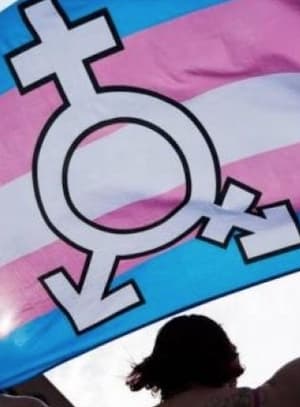
Fragmentary perspectives on Human Rights and transgender (trans*) People in Turkey. What remains at the place where a murder happened? What constitutes trans* life? How to cope with daily violence and hatred? We begin to search for traces. We follow the tracks of resistance and survival. We are collectors of the expelled. We gather fragments of trans* lives inspired by texts of Nazim Hikmet, Foucault, Benjamin and Zeki Müren. Trans*BUT is a documental research study driven by the question: “What keeps you going when all else falls away?”
From the sweaty basement bars of 70s New York to the glittering peak of the global charts, how disco conquered the world - its origins, its triumphs, its fall and its legacy.
The intimate journey and unpublished backstory of BeBe Zahara Benet – a charismatic drag performer originally from Cameroon, and the very first winner of the culture-changing phenomenon, RuPaul’s Drag Race. With over a decade of unprecedented access, we observe BeBe’s struggles with celebrity, authenticity, success, and failure.
Archive footage from 2006 - 2010 of a young girl growing up during the ages of four to eight. Only fragments of what is remembered exists. Words from a transgender man float to the surface as fleeting memories go on.
Harvey Milk was an outspoken human rights activist and one of the first openly gay U.S. politicians elected to public office; even after his assassination in 1978, he continues to inspire disenfranchised people around the world.
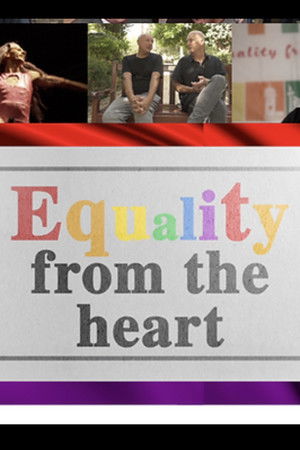
'Equality from the Heart' captures the narratives of various LGBTIQ individuals in Malta, shedding a light on the lived lives of our community throughout the 20th Century, during a time when our identities were considered a taboo, as it reflects on the progress this country has made and looks to the future with optimism.
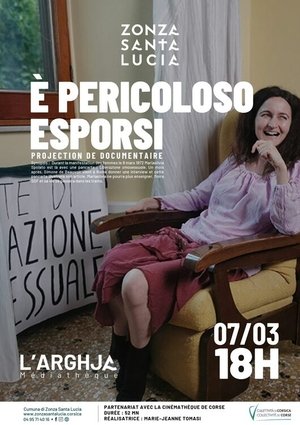
In the first person, a documentary that shows us the experience of Vida Rodriguez, formerly Inocente Duke, in situations that the Trans Law favors: what happens when entering a sauna, locker room, or a public service (even in the Congress of Deputies). An experience that, with respect and large doses of humor, brings us face to face with a law and its difficulties in its implementation.
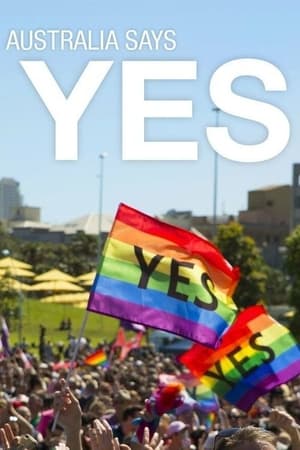
Packed with drama, high emotions and cliff-hanger moments, Australia Says Yes is the intimate and personal history of struggle and perseverance that propelled Australia to say Yes to marriage equality. The film shows how a group of determined individuals fought tirelessly against unjust laws that treated LGBTIQ people as second-class citizens, creating a movement that saw them go from criminals to legally equal over the course of five decades.
Teguh was dishonorably discharged as a policeman due to his sexual orientation. With the support of his partner Tonny, Teguh decided to purue justice by bringing his case to court, an act that has never been done before in Indonesia from the LGBTQI+ community. From this, the question arises, why would he put himself in potential danger by going against the institution? The film tells a love story between Teguh and Tonny, which becomes the foundation of why this fight needs to be fought for.
Mentally ill. Deviant. Diseased. And in need of a cure. These were among the terms psychiatrists used to describe gay women and men in the 1950s, 1960s, and early 1970s. And as long as they were “sick”, progress toward equality was impossible. This documentary chronicles the battle waged by a small group of activists who declared war against a formidable institution – and won a crucial victory in the modern movement for LGBTQIA+ equality.
From her personal experience, Marie Labory sets out on the trail of the lesbians who lived in Europe in the twentieth century. One hundred years of fighting for freedom, told through archives and testimonies.
Documentary chronicles the lives of Barbara & Tibby, two women who have shared nearly 40 years of love together. This couple has felt forced to leave the state of Virginia because of a new law that prohibits contracts between people of the same sex.
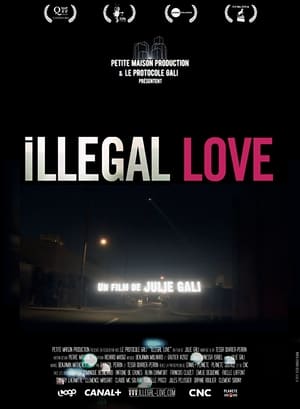
In 2008 French filmmaker Julie Gali traveled to the US to film the election of Barack Obama. In spite of this victory for civil rights, it soon became apparent that the rights of another minority were under threat. In California the passing of Proposition 8 marked the only time in U.S. history that a civil right was actually taken away after it had been granted. Upon seeing this, Ms. Gali decided to immerse herself in the growing grassroots struggle of the gay community, which culminated in the October 11, 2009 March for Equality in Washington DC.
Wind from the East (or 2021) is a film about the movement at Bogazici University, considered by many to be the best university in the country, and its relation to the growing tyranny in Turkey. Highlighting the plight of women and LGBTQ citizens who are experiencing not only the rapid loss of their freedoms but what amounts to a fatwa when and if they dare to speak out against their government, the documentary aims to share the stories of Turkish citizens operating on the front lines in the battle for human rights, while expressing the need for art as a first line of defense against the totalitarianism that is quickly creeping westward.
One morning, Leonardo Galicia wakes up with a dull pain and an intense fever. After a pandemic experience that made him aware of his mortality, the last thing Leonardo expected was an HIV-reactive result. The illness caused by the virus takes hold of Leonardo's body and forces him to take an indefinite break while recovering in a hospital. There, he meets a mysterious young man, Augusto. By sharing common thoughts, hopes, and dreams, the two will find refuge in each other's arms.
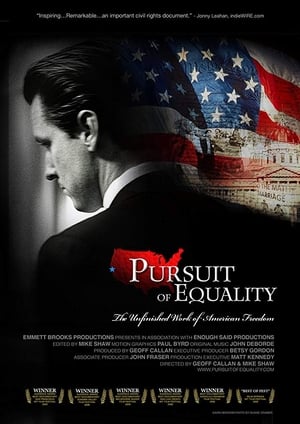
In the 1990s, opponents of gay and lesbian rights put forward anti-gay initiatives patterned after Oregon's Measure 9. In response, supporters of gay and lesbian civil rights founded advocacy group Hands Off Washington. This documentary tells the story of Hands Off Washington, and of the struggle for gay and lesbian civil rights in Washington State.