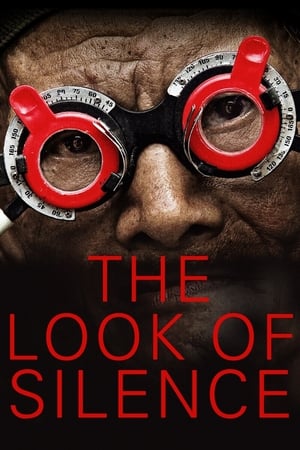
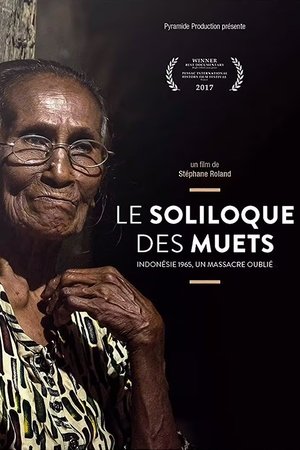
An Indonesian man with a communist background named Ramli was brutally murdered when the "Communist" purge occurred in 1965. His remaining family members lived in fear and silence until the making of this documentary. Adi, a brother of his, decided to revisit the horrific incident and visited the men who were responsible for the killings and one survivor of the purge. These meetings uncovered sadistic details of the murders and exposed raw emotions and reactions of the killers' family members about what happened in the past - much to Adi's disappointment.
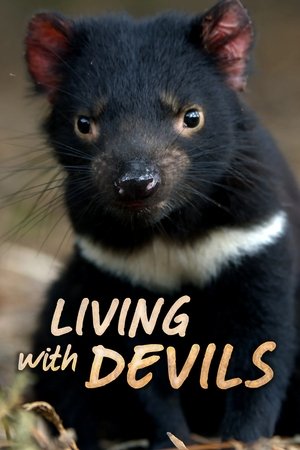
In a wild and windswept corner of Australia, acclaimed film-maker Simon Plowright spends a year living with the iconic but endangered marsupial, the Tasmanian Devil.
Road movie-style documentary about the Great Post Road (De Groote Postweg/Jalan Raya Pos). Pramoedya Ananta Toer (1925), one of the most important Indonesian authors of recent decades, wrote an essay about the Great Post Road at the request of director Bernie IJdis. This thousand-kilometer road across Java was built at the beginning of the last century under the leadership of the Dutchman Daendels and cost the lives of thousands of Indonesian forced laborers. Because Toer, as a former political prisoner, is restricted in his freedom of movement, the filmmakers act as his eyes and ears during a trip along the Post Road. During the journey, parallels between Indonesia in the past and present slowly unfold. In addition, as the film progresses, the grimness of Toer's situation and the situation in his country becomes palpable.
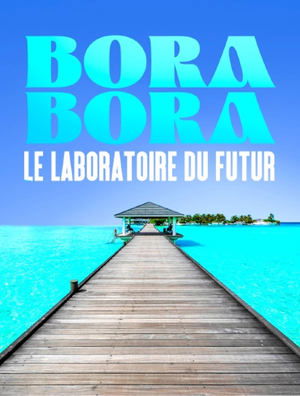
Bora Bora is the most popular destination in French Polynesia, certainly because of its lagoon, considered the most beautiful lagoon in the world. In this context, the islet could have sunk under concrete and pollution, and the reef could have been irreparably impacted. However, thanks to the will of a handful of inhabitants including the mayor of the island, Bora Bora is today a model of sustainable development, with water treatment technologies that are 15 years ahead of France, programs to rebuild corals and protect wildlife, educational actions and the rehabilitation of Polynesian traditions such as “rahui” and the establishment of a monitoring network using new technologies. All of this makes the island a veritable open-air laboratory that shows the way for all tropical coastal environments around the world.
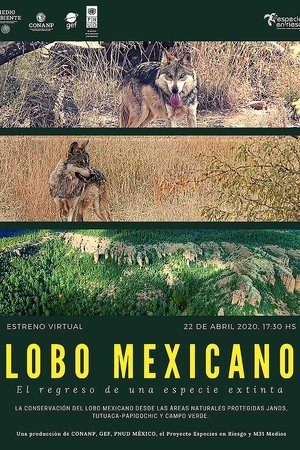
About the mexican wolf in northwest Chihuahua, the search for its conservation among local communities, landowners, and the Livestock Assurance Fund.
A family in rural area of West Java, Indonesia enjoys their time with 'Ngadu Bagong', a sundanese traditional game where dogs put to fight against a wild boar in a single event. Ngadu Bagong has always been some sort of animal abuse but it's been in the tradition for a long time. Ade Rohmat has been in the game for a long time; a hobby that he now passes on to his daughter, Ilma Nurjanah. The potentially controversial Ngadu Bagong has always brought intense emotion, prestige, and fortune upon its practicioners.
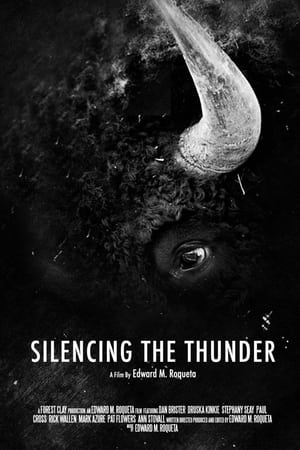
When temperatures drop in Montana, wild bison migrate to lower elevations outside the boundaries of Yellowstone National Park. But once outside, they run the risk of being killed because some carry a chronic disease called brucellosis that ranchers fear could spread to cattle.
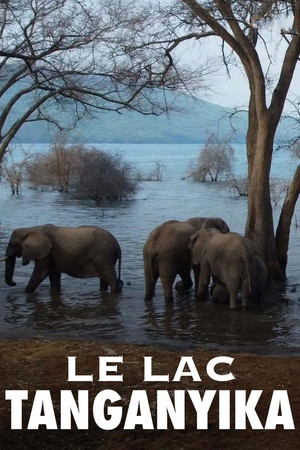
Le lac Tanganyika, la source de vie de l'Afrique
Documentary about war photographer James Nachtwey, considered by many the greatest war photographer ever.
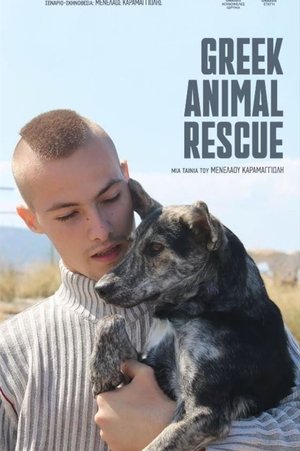
A gravely ill, abused three-legged stray dog, abandoned in an industrial desert at Aspropyrgos, a town near Athens; a London based charity whose mission is to help the neglected animals of Greece; a group of young volunteers who patrol Aspropyrgos and nurse the strays – these are the characters of the film, in a nightmarish place, a hellhole for many abandoned animals. Does the sick three-legged hound stand any chance of getting adopted, becoming healthy again and running across the fields of Essex? Why are the Greekies, the strays from Greece, so popular when it comes to being adopted abroad? With an unexpected ending, the film tries to discover whether there is any hope for the doomed dogs and for a doomed area outside Athens.
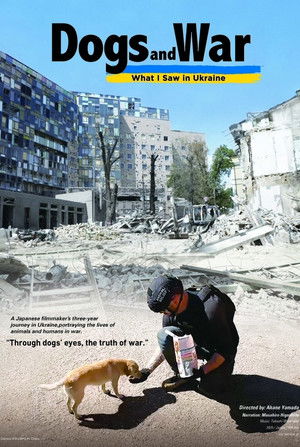
When Russia invaded in February 2022. Japanese director Akane Yamada travelled to the war zone to document an often-overlooked story - the fate of animals and the people who refuse to abandon them. Known for her work in disaster zones since Fukushima, Yamada witnessed animal welfare groups mobilising at the Polish border to help refugees and their pets, and followed Ukrainians who continued to adopt shelter animals amid the chaos. In Borodianka, near Kyiv, she uncovered the tragic deaths of shelter dogs left behind during occupation. Her three-year investigation led her deep into Ukraine's frontline regions, from flooded Kherson after the Kahkovka Dam's destruction to a children's hospital in Kyiv struck by a missile. Through the stories of people who refuse to abandon animals even amid the devastation of war, this documentary portrays the resilience and dignity of those who refuse to surrender to violence.
This story began in the seventies. Then the American ornithologist George Archibald turned to Soviet scientists led by Vladimir Flint with a proposal to cooperate in the protection of the white Siberian crane. This species was little studied and was considered endangered. Since then, we know much more about white cranes. Now on Earth there are two disparate populations of Siberian Cranes. One is East Siberian. These birds nest in the north of Yakutia and migrate to China. There are more than three thousand of them, and in the near future they are not threatened with extinction. A few thousand kilometers away, another population of Siberian Cranes lives. They nest in the lower reaches of the Ob, and fly to India or Iran for the winter. There are only twenty of them left. This film is about how people are trying to save this West Siberian branch of white cranes.
Le Soliloque des muets
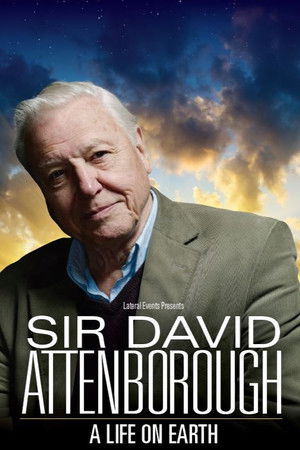
Sir David Attenborough is larger than life, his distinctive voice as recognisable as his name. In this program, renowned Australian journalist Ray Martin turns the cameras away from the beloved wildlife Sir David has spent his life documenting and onto the man himself. The show is an edited interview culled from a series of sold-out events held in theatres across Australia in 2012 and 2013.
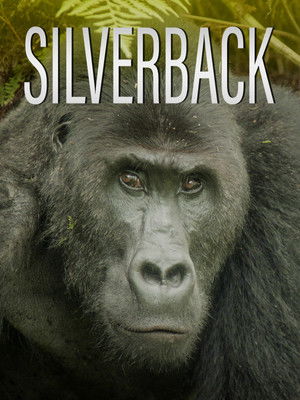
Feature-length documentary following award-winning wildlife cameraman Vianet Djenguet as he documents a gruelling but vital mission to ‘habituate’ a notoriously protective 450lb silverback, in a last-ditch effort to save the critically endangered eastern lowland gorillas from extinction.
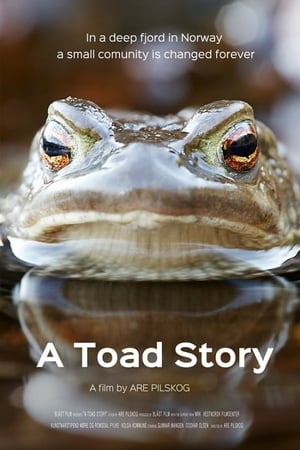
In a deep fjord in Norway a small community is changed forever, as a new European road route threatens the local toads. ”A toad story” is a warm film about seeing greatness in the planets smallest creatures.
Tracing the footsteps of urban space involves understanding the various elements that influence urban development. One of the inseparable problems of cities is the attraction of migrants from various fields. The river, which has been a part of the city’s long history, brings with it all the polemics related to the city’s development.
Pasar Minggu, Jakarta. The big monster is ready to clean the market.
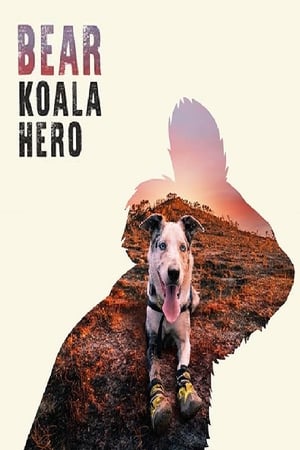
Follow the amazing work of Bear and his handlers as they spend the summer of 2020 scouring burnt-out bushland in southern Queensland and beyond searching for sick and injured koalas.
Tells a riveting strory of two Bajo families living in the waters surrounding Sulawesi.