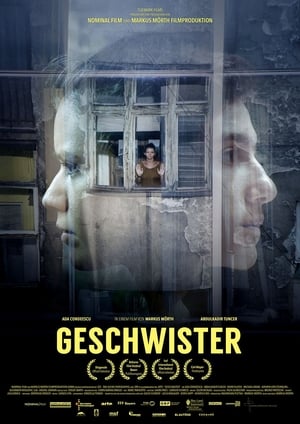
The siblings Bebe and Mikhail leave their country of Moldova to apply for asylum in Germany. Their flight turns into a modern odyssey.
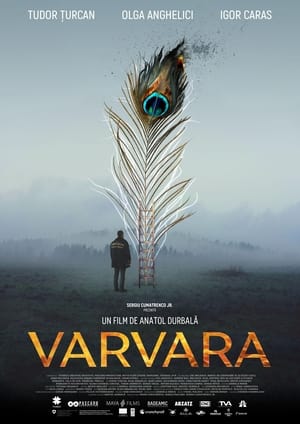
Sasha works for a natural gas company. When his wife gives birth 2 months early, Sasha is searching for money to save the premature baby. Despite this, he refuses to take bribes, which threatens his job and leads to friction with his colleagues. His wife doesn't understand him anymore. Faced with a crisis, Sasha receives an order to install a furnace in a church, where he will have to destroy an icon painted on the church wall. Hoping to save the sacred image, Sasha has to corrupt the system.
After two years spent as a student in Boston, a 22-year-old visits his native Moldova. It is April 2009. People gather in the streets of Chisinau, the call having spread through social networking sites. They are demonstrating against the communist authorities who falsified the election results. They seize and plunder the parliament and presidential buildings. The demonstrators carry away documents, furniture and office equipment. Our protagonist is coming from a friend's home carrying his own computer monitor. He is mistaken for a demonstrator, brutally beaten up by the police and taken to the police station. His interrogator is an experienced major. The authorities can do anything. Based on real events, the film asks questions about freedom, justice and the price of human life.
A year in the life of a family in a typical backyard in the center of the Moldovan capital Chisinau in the 1990s: Zina lives here with her husband Victor and daughter Eva and, like the other inhabitants of the house, struggles for the family's financial survival. Through the eyes of the family, we experience a country in transition after the fall of the Iron Curtain.
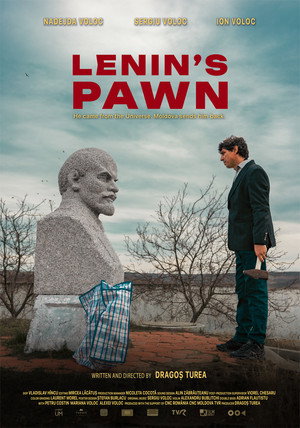
LENIN’S PAWN is a hybrid documentary with dark humor following actor Sergiu Voloc, a modern-day Don Quixote whose lonely fight against Lenin monuments across Moldova turns into an absurd confrontation with a system that rebuilds them overnight.
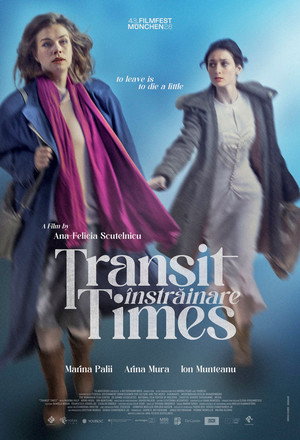
When three generations of women return to post-Soviet Europe to care for an ailing patriarch, they face a corrupt healthcare system and discover a society and a past that both links them together and sets them apart.
The end of the Cold War did not bring about a definitive thaw in the former republics of the Soviet Union, so that today there are several frozen conflicts, unresolved for decades, in that vast territory. As in Transnistria, an unrecognized state, seceded from Moldova since 1990. Kolja is a silent witness of how borders and bureaucracy shape the lives of citizens, finally forced to lose their identity.
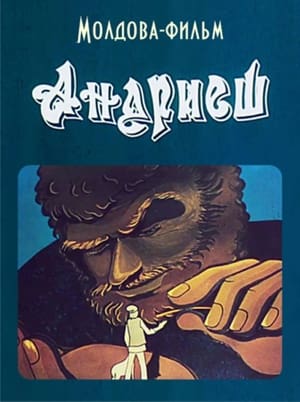
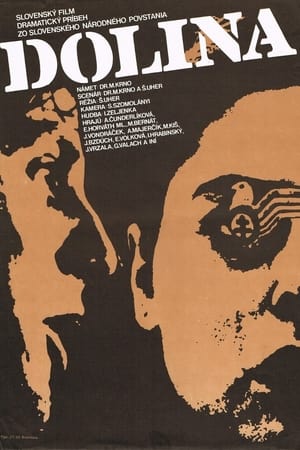
Moldavian fairy tale about young shepherd called Andriesh, who heads off to rescue the good fairy Dona from evil warlock. Based on the poem of the same name by Emilian Bucov.
Mothers and fathers of gay, lesbian, and trans children from Georgia, Moldova, Russia, and Ukraine travel to Berlin to walk together in the Pride parade. Living under one roof, they prepare for the march — painting signs, cooking borscht, and reflecting on how their relationships with their queer children have evolved over the years.
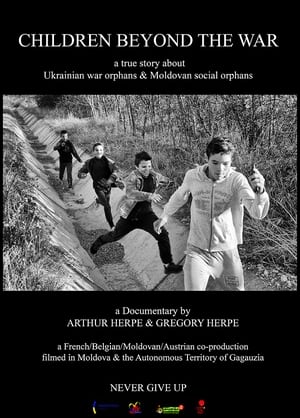
Children beyond the war
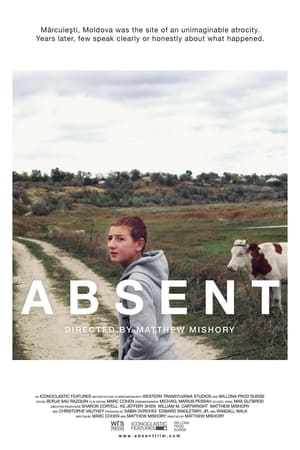
For over a hundred years, Mărculești was a vibrant Jewish agricultural and mercantile community in Bessarabia (now present-day Moldova). In July 1941, the village was the site of an unimaginable atrocity. Seventy-three years later, few speak honestly or completely about what happened. ABSENT is a cinematic portrait of the ghost village of Mărculești, its current inhabitants, and their very complex relationship to their own history. Filmed entirely on location, the film documents one of Europe's poorest, most remote, and least-visited places.
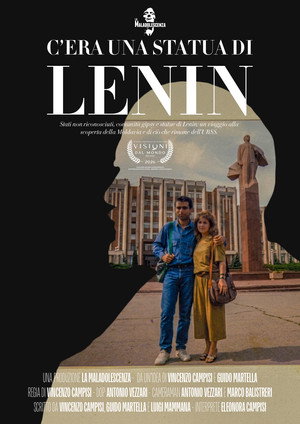
Constantin is a Moldovan young man who emigrated to Italy when he was only a child. Right before his marriage, he decides to go back to Moldova to discover more about his cultural roots and understand about his identity. He found a different country, with a danger of an impending war and where he feel as a stranger.
In spite of blood ties to both Haifa's Jewish and Arab populations, Moshe leads a rootless existence. Grown weary of his impatient wife Didi and ambivalent about his needy young mistress Grisha, the only relationships Moshe doesn't complicate are with his devoted parents, Jewish Hanna and Arab Yussuf, and with Jules, Moshe's ne'er-do-well childhood friend. But when Jules' real estate developer brother moves to buy a prized piece of property from the Arab side of the family, Moshe's divided ancestry is put to the test.
How to find your way in a suburb of the mega-city of Seoul, that is just one of the things this North Korean refugee hasn't learnt on his citizenship course. He gets lost as soon as he is on his own. At least he speaks Korean.
Tae-il lives a fast life as low level thug. He then learns that he has a terminal illness and not much time left to live. Then, for the first time in his life, he falls in love.
Antônio is an astrophysicist who has just found out he has an inoperable brain tumor. After decades living in the United States, he returns to Brazil and tries to learn more about his biological mother. His quest sends him off into the slums of Rio de Janeiro.
A dying widow plays matchmaker to her 32-year-old unmarried son and sets him up with a nurse that she meets.
Three NYC stories at a climax. Stories about breaking up, losing, leaving, giving away... the things or people you love, you live with, you depend on, which formed your past... The stories are about how difficult this is, how terrifying and how frightening. Yet, you HAVE to do what you have to do. The three girls are met at the turning point of their lives. The film is wonderful written, with few words and a great, exciting pace (though it takes its time and lot of it). Stop: there may be a lot of words, sometimes, but what's important is between-the-lines. The performances are marvellous. Style and location (all shot "on location") remind of this specific independent NYC style of Jarmusch, Poe, Seidelman, Silver, etc.
Mario is the son of a rich couple, but he lives in constant conflict with his family. In a beauty salon, he meets the beautiful Glória and the hairdresser Gustavo, with whom he becomes friends and gets closer and closer. However, the guys' relationship can be more than just friendship.
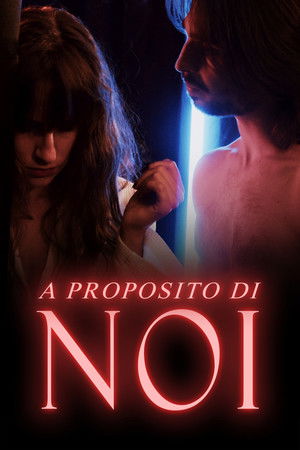
Elena and Antonio seem not to be made for each other. They are too different in terms of character, life choices, worldview, and the way they relate to others. They are total opposites. However, they are overwhelmed by a mutual attraction they're trying hard to avoid; but to which they succumb to.