Back from war in Afghanistan, a young British soldier struggling with depression and PTSD finds a second chance in the Amazon rainforest when he meets an American scientist, and together they foster an orphaned baby ocelot.
Itapoa - Un proyecto que camina
Q'eros. Nuestra vida, nuestra herencia
1962. A crystalline voice becomes a planetary tube. A Belgian nun jostles Elvis and the Beatles on the world charts. Her name: Sister Smile. A popstar with the trajectory of a comet who understands her success no more than the double meaning of her words… The harder the fall will be. Even God does not protect sharks' appetites or pretenses of success! Who killed the little voice of God? Here is the tragic story of an innocent voice, of an extraordinary fate, almost of a curse ...
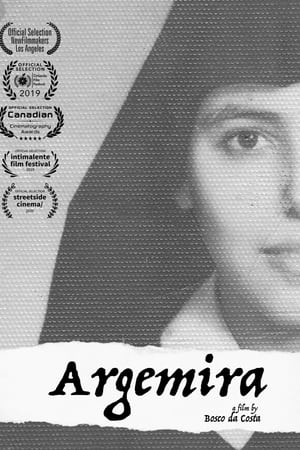
A horse and cart carrying two nuns is stopped by two men with fixed bayonets.
This film dives into the world of Amazon, its story and view of the world. It offers a large social fresco backed up by an in-depth investigation where private lives meet the mega-machine.
The history of the Teatro Amazonas in Manaus, an opera house located in the middle of the Amazon rainforest, whose construction, between 1884 and 1896, depended on the labor exploitation of the local indigenous populations, provides an insight into the cultural, social and political situation in Brazil.
James, giving himself 12 months before he has "a license to kill himself," sets off to the Amazon rainforest with hopes of finding a shaman who can save his life.
Amazônia, a Nova Minamata?
AMAZON 3D
Released in 1796 posthumously, The Nun, a novel that Diderot did not dream of publishing during his lifetime, as he knew it to be revolutionary, caused the same explosion in the 19th century France as in that of the 1960s, when Jacques Rivette decided to adapt it, with Anna Karina in the title role. “This film is banned and it will remain so!” said the General de Gaulle. Exploration of an indictment of incredible modernity which, through the tragedy of the young Suzanne, locked up in the convent against her will, denounces the inequity of a society denying women all moral, political and sexual freedom.
We often have ideas of religious life... either kneeling in a convent or out in the streets assisting the poor. While both of these scenes are essential to the life as a sister, Light of Love takes a deeper look into understanding the call... the "why" of religious life. By interviewing five sisters from five orders across the United States, the film places viewers face to face in intimate conversations with these amazing women. What does it mean to be called? What are the struggles of religious life? How have you seen God move through your ministry? These questions and others are addressed throughout the film. The film itself is very simple: 60 minutes designed for viewers to quiet their surroundings and enter into convent, the food pantry, the hospital, and the chapel. With minimal music and simple visuals, Light of Love gives viewers a look into the lives, suffering, and joys of religious life captured in a way like never before.
Ruta madre
The nuns of the Anglican Benedictine Community at St. Mary's Abbey, West Malling, reflect on their calling and the joys and challenges of their way of life. In this short documentary, directed by Jamie Hughes, the nuns' voices are complemented by images from the life of the Abbey.
Sachamama is a retreat lodge in Peruvian Amazonia. There, Francisco Montes leads ayahuasca ceremonies for tourists seeking insight and healing.
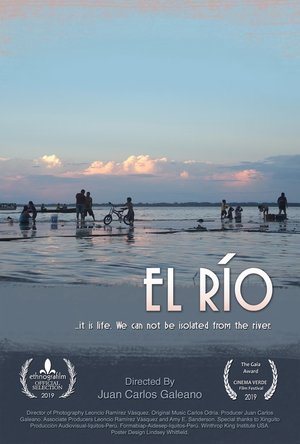
“El Río” aims to illustrate the unique relationship between the indigenous people of the Peruvian Amazon and their land. By drawing attention to and discussing the differences between western ideologies and those found in the Amazon, the documentary increases awareness of the emotional and spiritual effects of environmental resource depletion.
Every two weeks, the world loses a language and with it, a piece of human history. Ese Eja is one of the language in danger of extinction. Many stories and myths have been forgotten, but through dreams, the memory of the ancestors fight for remaining in the Ese Eja community.
Yo hablo a Caracas (1978), the first documentary by Carlos Azpúrua, is marked by the luminous presence of the Yekuana shaman Barné Yavarí. This elder from the Amazonian forest articulates two powerful and prophetic warnings: first, a demand for respect toward the sovereignty of Indigenous beliefs and culture; second, a grave denunciation of the threat posed by “criollo” presence and its economically irrational logic to the natural balance of the Amazon. Through Yavarí’s voice, the film contrasts modern exploitation with a millennia-old Indigenous worldview grounded in harmony with nature, turning the documentary into an early and resonant plea for cultural dignity and ecological consciousness.
This documentary examines ayahuasca shamanism near Iquitos (a metropolis in the Peruvian Amazon), and the tourism it has attracted. The filmmakers talk with two ayahuasqueros, Percy Garcia and Ron Wheelock, as well as ayuahuasca tourists and local people connected with the ayahuasca industry.
A documentary about environment destruction in the Amazon and the tribes living there. Produced for the 48th anniversary of MBC, Korea. A brilliant records of the itinerary for 250 days through the Amazon.