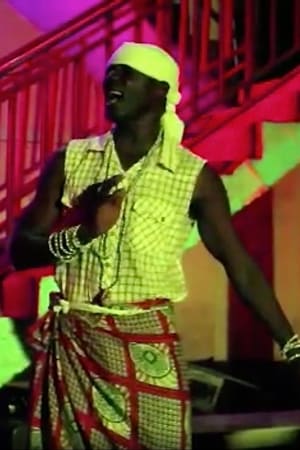
Robert (not his real name), is a gay Zimbabwean man who fled to South Africa in the hopes of making this his home. What he found instead was abuse at the hands of other gay men, homophobia from Department of Home Affairs officials as well as the difficulties of navigating the Covid-19 pandemic as a sex worker living in a foreign country. In this short film, Robert speaks with candour about fleeing his homeland, his life in South Africa and his hopes for the future.
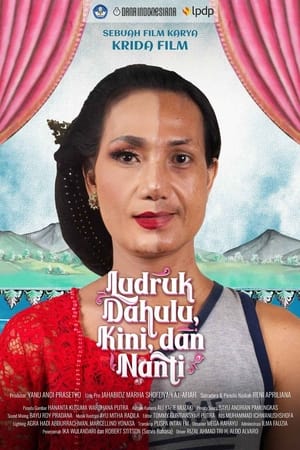
Ludruk Tobong artists are trying to maintain the arts that support their livelihood and are also trying to eliminate the negative stigma of trans women through cultural media.
A strange orchestra of bodies, light, reflections and shadows throught shots of brief action and surprising appearances of humans and animals. A small film rejecting hierarchy while finding connectedness of love and affection in the small gestures of life.
The 40th anniversary of Idi Amin's expulsion of Ugandan Asians in 1972 coincides with the festival of Dussehra in which Hindus celebrate the victory of good over evil. Victims of this forced migration to Great Britain relive the shock and dangers of their escape, the hardship and heartbreak of their journey, arrival and first desperate days, to the turning points as they began to make new lives for themselves.
A World Food Programme trial is under way in Karamoja, north-eastern Uganda, to try and limit food aid so it is only available to those considered most vulnerable. As part of the scheme people are persuaded to plant crops, start small businesses and begin building a self-sufficient society. But as Humphrey Hawksley reports, drought and crop failures have left some families resorting to extremes in order to survive.
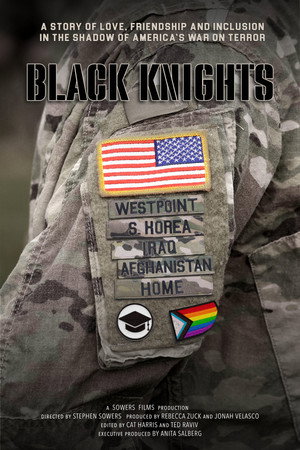
A short documentary exploring the lives, deep friendship, and resilience of six Black West Point graduates against the backdrop of America's War on Terror. Filmed remotely during the COVID-19 pandemic and the U.S. withdrawal from Afghanistan, the film blends intimate remote interviews, archival military footage, presidential speeches, and personal photos. It chronicles their time at the United States Military Academy, deployments to Iraq, Afghanistan, Kuwait, and South Korea, and transitions into successful civilian careers and graduate school. Notably, the documentary highlights the group's diversity by embracing its LGBTQ+ members. By celebrating profound male bonds, Black Knights challenges traditional narratives and preconceived notions about who serves in the U.S. military and what military service means for America.
ᎠᏲᎧ is a portrait of Ahyoka Youngdeer, Cherokee culture bearer, teacher, and two-spirit activist. Weaving her own life with a traditional Cherokee story about a crooked-face boy, Ahyoka traces how exclusion was never a Cherokee value and reminds us what it truly means to be a Keetoowah person.
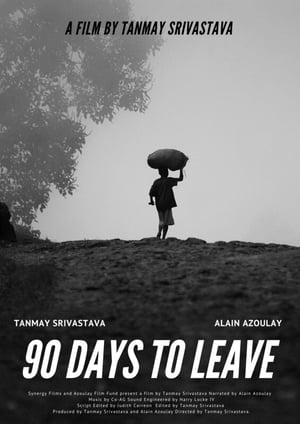
This short documentary is about the Asian Expulsion of 1972, when General Idi Amin, the dictator of Uganda expelled 100,000 Asians from the country and gave them 90 days to leave the country. The films shows how the expelled Asians struggled to leave Uganda and get refuge in other countries like the U.K, U.S and others. The film also tells about their struggles in those countries in finding jobs and fighting racial injustice.
As a trans woman Vida Morant lives by some of the mandates of what a woman should be while actively fighting others. In the intimacy of her home, at the theatre, on the radio, at the city hall.
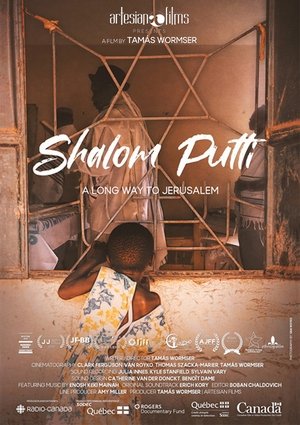
Shalom Putti
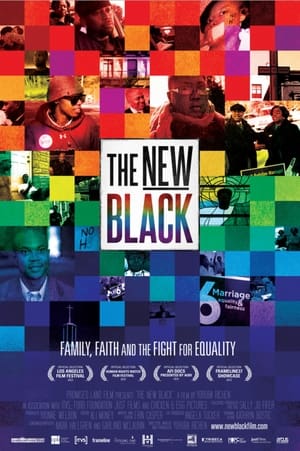
The New Black is a documentary that tells the story of how the African-American community is grappling with the gay rights issue in light of the recent gay marriage movement and the fight over civil rights. The film documents activists, families and clergy on both sides of the campaign to legalize gay marriage and examines homophobia in the black community's institutional pillar-the black church and reveals the Christian right wing's strategy of exploiting this phenomenon in order to pursue an anti-gay political agenda. The New Black takes viewers into the pews and onto the streets and provides a seat at the kitchen table as it tells the story of the historic fight to win marriage equality in Maryland and charts the evolution of this divisive issue within the black community.
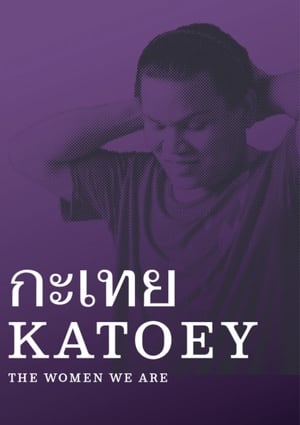
Katoey meets three people in rural Thailand who are clearly and confidently women even though their bodies are male. Integrated to an impressive degree into society, these women have successfully overcome the difference between their physical and mental genders.
In this documentary, a Hollywood hopeful immersed in geek subculture decides it's time to tell the world that he loves transgender women.
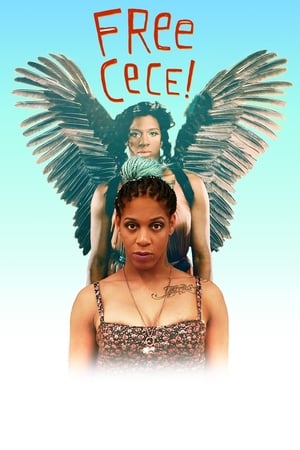
CeCe McDonald survived a brutal attack, only to be incarcerated for defending her life. After an international movement to free her, CeCe emerged as a leader to interrogate the prison industrial complex and inspire women to fight back when attacked.
Equatorial Guinea became independent 51 years ago from Spain. This African country lives under one of the longest-lived dictatorships in the world, Teodoro Obiang, a military man trained in Zaragoza. His regime strongly represses all freedoms, including sexual ones. Franco Spanish laws are still in force in the country, such as the «public scandal». It is not possible to protest on the street and the only LGTB organization in the country has not been able to legalize itself. In addition, the country’s Parliament is studying hardening the current penal code. To denounce the situation, the group «We are part of the world» has collected the voices of the community in a documentary that pays tribute to Fidel Lemoy, one of its best-known faces, who disappeared last year.
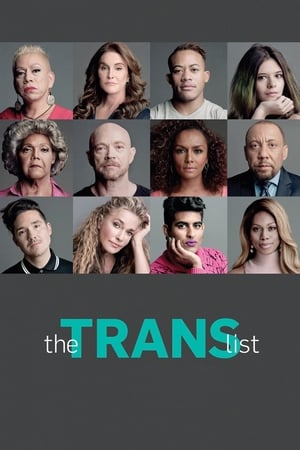
A documentary that explores the range of experiences lived by transgender Americans.
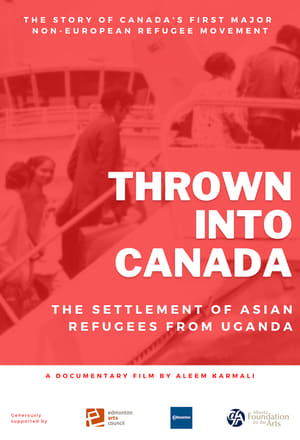
This documentary explores the history of Canada’s first major migration of non-European and non-white refugees who arrived in 1972 when Ugandan President Idi Amin expelled all South Asians from the country. Their story of struggle and hope became part of Canada’s conversations about refugees and cultural pluralism, and informed the Canadian response to future refugee movements.
It often happens that at the moment of death, transgender individuals are shorn of their identity. Their families are ashamed, the funeral takes place in secret, and on the tomb appears the name the deceased had before their transition, in one stroke nullifying the entire life path they had chosen. The same thing happened to Antonia. Her girlfriends gather to honor her memory and give her back her identity denied. In telling her story, the film’s stars, all drawn from the variegated transgender world, interweave the narrative with tales of their own lives, experiences, and memories.
Gay women living in the Deep South of the United States share stories of the bigotry, sexism, intimidation, and racism that confronts them in a part of the country known for its culture of Christian conservatism.
In 1992, at the height of the AIDS pandemic, activist Terence Alan Smith made a historic bid for president of the United States as his drag queen persona Joan Jett Blakk. Today, Smith reflects back on his seminal civil rights campaign and its place in American history.