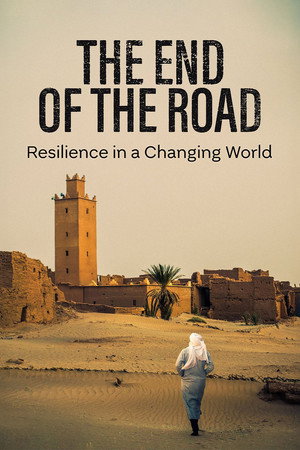
In the shadow of the expanding Sahara, 'The End of the Road' unveils the battle of a Moroccan village against desertification and water scarcity.
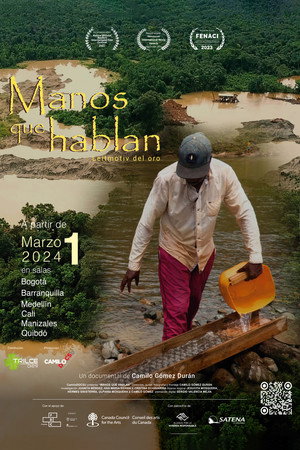
Manos que hablan
The vital role turf has played in Ireland, and the battle that ensued when the EU tried to stop Irish people cutting turf.
A cinematic and introspective look at the residents of a Quebec town—once the site of the world's largest asbestos mine—as they grapple with their community's industrial past. Striving to honour their heritage while reconciling with their history and forging a new path forward, the miners delve into the intricacies of progress and healing.
An exploration of built and natural environments along the 800-mile length of the Trans-Alaska Pipeline.
More than two decades after the Clean Water Act was supposed to make America’s waters clean enough for swimming and fishing again, two iconic waterways — the great coastal estuaries of Puget Sound and the Chesapeake Bay — are in perilous condition. With polluted runoff still flowing in from industry, agriculture and massive suburban development, scientists fear contamination to the food chain and drinking water for millions of people. A growing list of endangered species is also threatened in both estuaries. As a new president, Congress and the states set new agendas and spending priorities, FRONTLINE correspondent Hedrick Smith examines the rising hazards to human health and the ecosystem, and why its so hard to keep our waters clean.
In the far North, in the late fall, at a time of year when it should be covered with ice, the sea remains frozen along the coast of Greenland. Glaciers are melting and shedding chunks of ice that are scattered across the ocean surface. The animals inhabiting the land and water are threatened by warming temperatures and loss of sea ice. Climate change is fundamentally altering the natural environment of Greenland and affecting the lives of its wildlife and indigenous people. Greenlanders, who have survived for generations by hunting, are now losing their prey and their traditional way of life. They are facing the stark reality of a warming climate and are trying to adapt. Until now, the Inuit people who were born in Greenland and know only their traditional life of hunting, have never thought of a different place, a different life, a different future. But now they must face the possibility of losing their ancient traditions and their prey along with the disappearing ice.
When National Geographic photographer James Balog asked, “How can one take a picture of climate change?” his attention was immediately drawn to ice. Soon he was asked to do a cover story on glaciers that became the most popular and well-read piece in the magazine during the last five years. But for Balog, that story marked the beginning of a much larger and longer-term project that would reach epic proportions.
It is the largest movement the world has ever seen, it may also be the most important - in terms of what's at stake. Yet it's not east being green. Environmentalists have been reviled as much as revered, for being killjoys and Cassandras. Every battle begins as a lost cause and even the victories have to be fought for again and again. Still, environmentalism is one of the great social innovations of the twentieth century, and one of the keys to the twenty-first. It has arisen at a key juncture in history, when humans have come to rival nature as a power determining the fate of the earth.
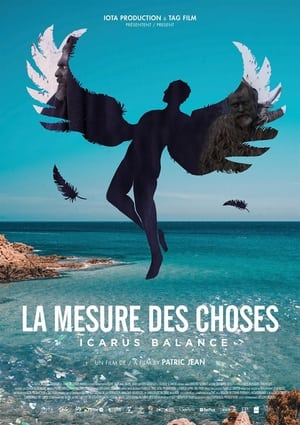
Political film essay in which events happening around the Mediterranean Sea are compared to the myth of Icarus.
Explores the battle between New England's close-knit fishing communities and a coalition of environmental conservationists. Focusing on two women whose lives and livelihoods have revolved around the fishing business, the film illuminates the debate that pits the economic needs of a community against the health of our oceans.
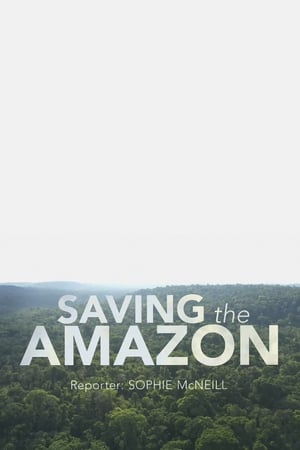
The Amazon plays a vital part in regulating the planet's temperature. Yet, last year, forest destruction in the Brazilian Amazon soared by 85 per cent. Illegal logging and slash-and-burn agriculture are decimating the land. With huge profits to be made, the Amazon is a dangerous place to ask questions. Despite the threat, the Amazonian tribes want the world to hear their message.
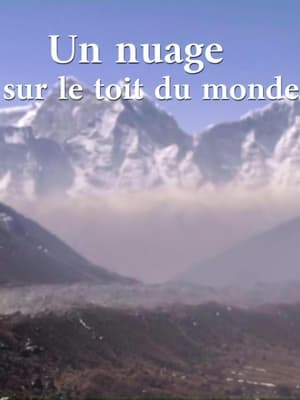
Un nuage sur le toit du monde
Martinique, terre de centenaires
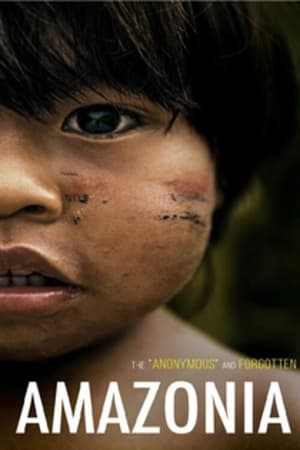
This documentary explores an unknown civilization of the Brazilian Amazon, who risk their lives to protect their forest. In order to save the exploitation of the environment by big corporations, they have to create legal institutions.
In a moment of catastrophic climate change, Jon Wright, a gay farmer, is faced with a dilemma. His 22-year commitment to transform the genetics of his herd are pitted against the attitudes of the beef industry, who hold the future of his families 4th generation farm in their hands.Through his incredible journey of loss and survival, we learn what it takes to be true to yourself, at any cost.
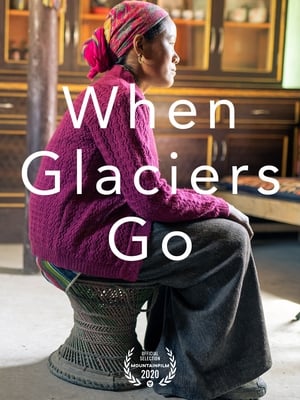
A diminishing water supply is driving people from their land in a remote region of Nepal. The younger generation of the Gurung family adapts by commuting from their ancestral home, where subsistence depends on grazing goats and cows, to a village that has a commercial apple orchard, fed by irrigation. “We cannot give up cultivating our fields,” a elderly man explains. “The apple farm is not going to be able to feed us easily.” The older generation believes that water shortages stem from road building and bulldozing, upsetting the natural order, a young man explains. Both generations fly prayer flags, beseeching water.
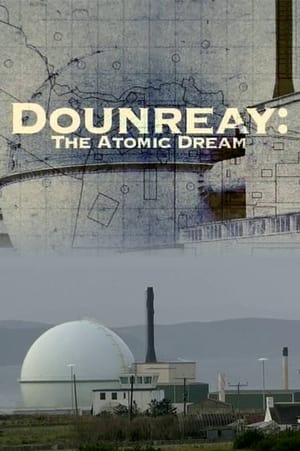
Documentary telling the story of the rise and fall of a daring experiment into atomic energy as the history of the Dounreay fast reactor is charted by the pioneers involved.
A whimsical filmmaker turns to his rational zoologist mother to help film animals. As memories of tigers and pet rabbits surface, the zoologist is compelled to question her relationship with animals.
Mariners Marsh, Bloomfield, Watchogue, Old Place. History, mythology, nature, anthropogenic industry, and digitally-demarcated landscape collide in the salt meadows and brownfield beaches of northwestern Staten Island. A human-haunted nature film. All stories are ghost stories. Narration drawn from the writings of Staten Island's preeminent historian, naturalist, and mythographer William T. Davis (1862 - 1945).