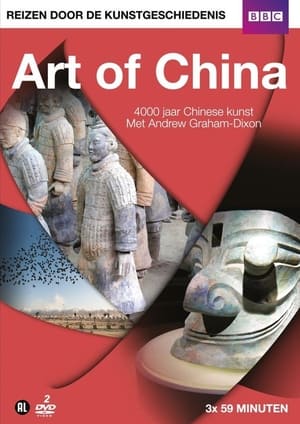
Andrew Graham-Dixon undertakes an epic journey to uncover the art of China.
During the turbulent 19th century, a number of brilliant French artists developed the Romantic movement in Paris: writers Victor Hugo, Alexandre Dumas, George Sand, Honoré de Balzac and Charles Baudelaire, painter Eugène Delacroix and composer Hector Berlioz, among others, changed the way of looking at art and created enduring works that have inspired the world to this day.
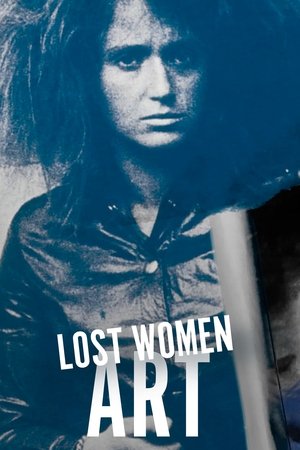
Women write art history – but in turn are systematically ignored by it. LOST WOMEN ART tells the story of the suppressed female avant-garde and by doing so introduces a new art history.
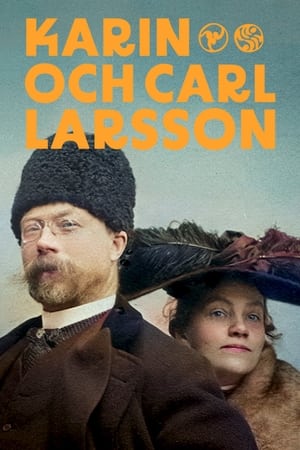
Karin och Carl Larsson
Comedian Anh Do loves to paint portraits and loves getting to know people, this new series combines the two.
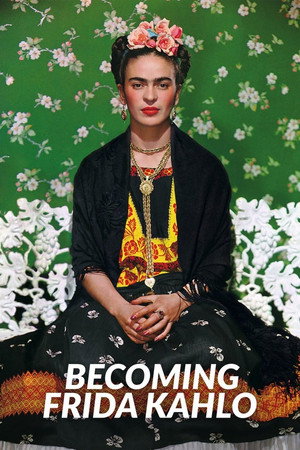
A look into Frida Kahlo's world, revealing an artist driven by politics, power, sex and identity, with her epic love affair with Diego Rivera at the heart of it all.
This series is immersing you into the greatest museums of the world. The occasion to discover the quality and variety of the art collections exhibited in the most renowned museums across continents, from Europe or America to Asia and more.
In his most personal project to date, Simon Schama looks back at the dramatic history that has played out in his lifetime. Best known for writing history, he has lived a fair bit of it too. Born in 1945, on the night of the bombing of Dresden, Simon grew up as part of a generation determined to rebuild the world from the ashes of war. In this film, he reveals the stories of artists and writers who have been at the forefront of the fight for truth and democracy, often at great personal cost.
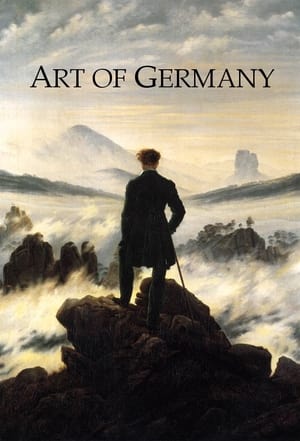
In an absorbing study, Andrew Graham-Dixon tells the story of a national art that conveys passion, precision, hope and renewal. He juxtaposes escapism with control and a deep affinity with nature against love for the machine. The fascinating story takes us from the towering cathedral of Cologne, the woodcuts of Albrecht Dürer and paintings of Grünewald to the gothic fairytale Neuschwanstein Castle, the Baltic landscapes of Caspar David Friedrich and the industrialisation lent expression of Adolph Menzel and Käthe Kollwitz. As the series progresses, it presents a rare focus on the cultural impact of Hitler's obsession with visual art, reveals how art became an arena for the Cold War and examines the redemptive work of the "visionary" Joseph Beuys – the most influential artist of modern times.
First broadcast on October 2, 1989, these 18 original 30-minute episodes provide a panorama of 2000 years of architecture, painting and sculpture, and studies the art masterpieces as reflections of the Western culture that produced them.
Ten programs filmed across Europe explore the history of European art through masterpieces of architecture, sculpture, and painting. The series spans from Greek and Roman art to Christian, Byzantine, and Gothic styles, followed by the Baroque, Rococo, and the artistic movements of the 19th and 20th centuries.
Historian Simon Schama recounts the story of eight moments of high drama in the making of eight artistic masterpieces.
This two-part, four-hour documentary delves into the world of a 15th-century art titan and unravels his journey while shedding light on his lasting impact on future generations.
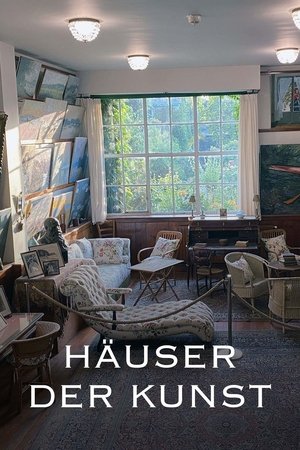
The series Houses of Art takes viewers to places where great artists lived, worked, and found inspiration. It is in these settings that masterpieces were created and personal dramas unfolded—offering a cinematic journey of discovery through the landmarks of European art history. Far from the bustle of the world, artists found creative momentum in homes that still bear the imprint of their genius today, attracting visitors from all corners of the globe.
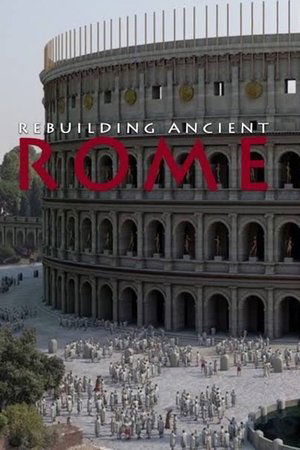
Supported by stunning 3D graphics, Dr. Darius Arya explains the purpose and architectural significance of ancient Roman buildings.
Sister Wendy Beckett takes a journey through the history of art in this ten-part series.
Channel 4 documentary series covering all branches of the arts.
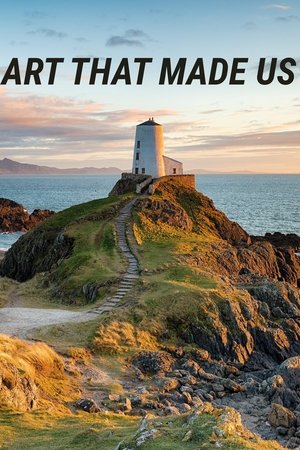
An alternative history of the British Isles, told through art. Looking at 1,500 years and eight dramatic turning points, acclaimed artists and thinkers encounter key historic art works from across the UK that have shaped the history of the British Isles and inspired their own work.
Andrew Graham-Dixon examines the history of French art, revealing how it emerged from a struggle between tradition and revolution, and rulers and citizens. He compresses centuries of culture into three thematically linked chapters.
Andrew Graham-Dixon explores how a group of 19th-century architects and artists spurned the modern age and turned to Britain's medieval past to create iconic works and buildings.