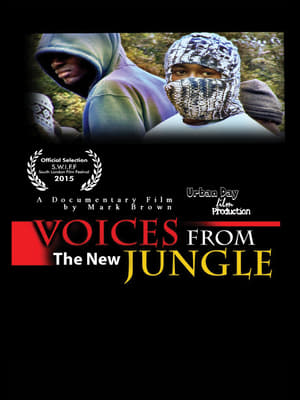
Greece is in crisis. But the economic crisis is not the only one. An asylum crisis has gripped the country at this time of severe austerity. And it hits the most vulnerable: Refugees, including minors, who have left everything behind fleeing their countries to find safety. In Greece, they are left destitute and on the streets, unable to apply for asylum and threatened by escalating racist attacks. Trapped in Greece, they have one message for Europe and the rest of the world: Let us leave!
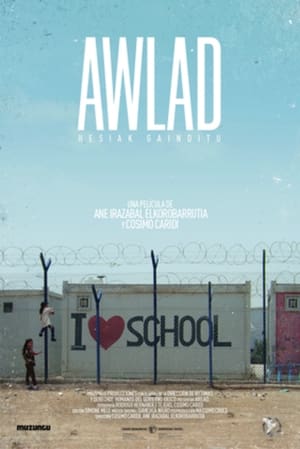
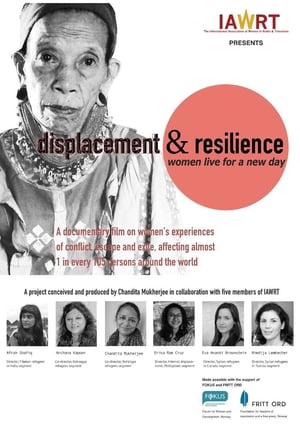
Α quarter of the global population of school age lives in war zones or disaster areas. Fewer than one in four underage refugees attends secondary school. Only one in twenty enrolls for university. Less than two per cent of global humanitarian aid is spent on education. This is the story of four refugee children living in different countries, and a documentation of their daily struggle to obtain a formal education.
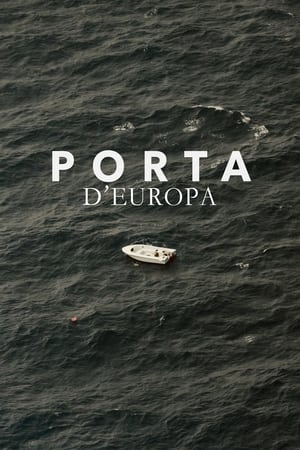
In the Mediterranean, the sea on which our civilization was founded, miles of refugees await Europe to welcome them. "Stranded" approaches the daily life of these long-term refugees, in occupied buildings or in refugee camps At the gates of Europe these people try to keep hope alive while they live.
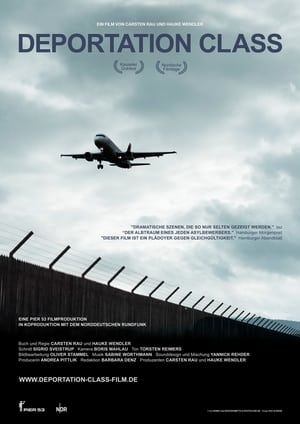
Documentary about a "transportation commando" in Germany with the goal to deport 200 people to Albania...
An account of the life and work of the Spanish clown, mime, acrobat and actor Marcelino Orbés (1873-1927), known as Marceline, who, between 1900 and 1914, was unanimously acclaimed as the best in the world.
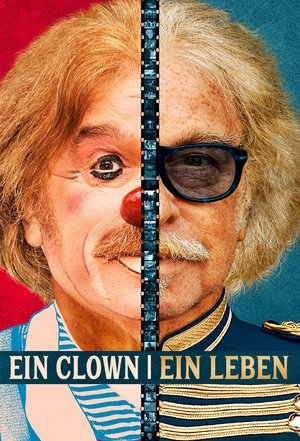
Beyond the lights and magic of the ring, this documentary follows the lives of the main stars of comedy: clowns.
526
Experimental documentary short starring Batato Barea and Peter Pank, filmed in July 1991
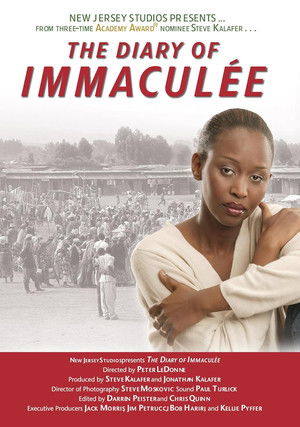
Peter LeDonne and Steve Kalafer chronicle the extraordinary life of Immaculée Ilibagiza, a young African woman who escaped genocide in Rwanda and ultimately found refuge in the United States. Seeking shelter with an Episcopalian minister, Immaculée hid from her attackers inside a bathroom for three long months but stayed centered through prayer and faith.
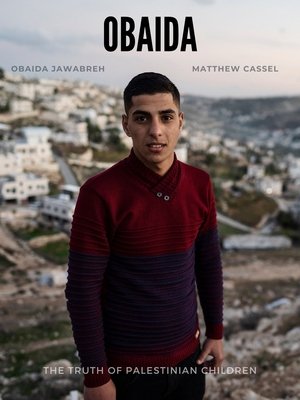
OBAIDA, a short film by Matthew Cassel, explores a Palestinian child’s experience of Israeli military arrest. Each year, some 700 Palestinian children undergo military detention in a system where ill-treatment is widespread and institutionalized. For these young detainees, few rights are guaranteed, even on paper. After release, the experience of detention continues to shape and mark former child prisoners’ path forward.
Min pappa är en clown
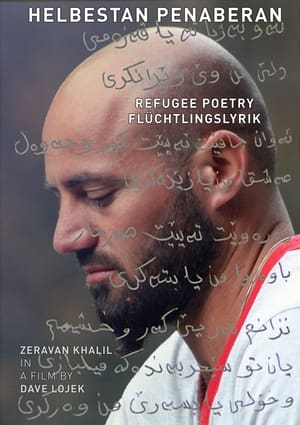
The Kurdish Iraqi poet and actor Zeravan Khalil travels with his dog through an Alpine gorge after fleeing from IS war and genocide. As he remembers the abomination, he writes a poem with the title “You drive me mad” in Kurmanji Kurdish. In his home country, Yazidic Kurds are forbidden to work in his profession. Then he eats his apple and wanders through Europe’s middle with more hope.
Forced to flee Bosnia when he was a child, Irvin returns to his homeland. In the same woods where thirty years earlier people took refuge, he decides to build a small village with his own hands. To restore dignity to this place and to the people who died in the war, to heal his wounds, and to fulfill his desire for redemption. But when he is on the River Drina, Irvin does not stop trying to discover what happened, and what could still happen.
Řecké děti
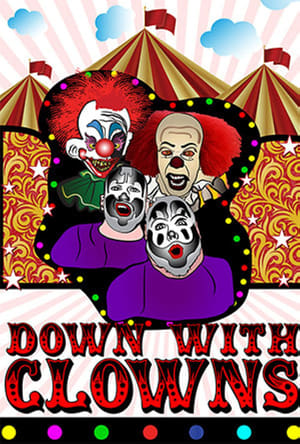
This film will trace the emergence of the Killer Clown from historical roots in Italian Opera, to contemporary prominence in mass media. Down with Clowns will explore the relationship between the violence of society, the mission of the clown and the way humans deal with their fear of both.
A Brazilian performance artist Vanesa Cardoso living in Newfoundland, Canada explores the figures of her Pochinko clown, discovering a desire to expose the comedy of our deepest vulnerabilities - the very ones that make us human. A creative journey through Richard Pochinko's seven masks and six directions, Vanessa reveals her clown while musing on the personal drive and struggles that inspire her art.
Amir, shot during the height of the Afghan civil war in the 1980s, investigates and portrays the life of Afghan refugees living in and around the city of Peshawar in northern Pakistan through the experiences of the musician Amir. The aspirations of Afghan refugees are expressed through their political songs dealing with the civil war in Afghanistan, with exile, with Afghan nationalism and with the Islamic revolution. In highly charged and tragic circumstances, music can be used in very direct ways, both to promote solidarity and as an agent of catharsis.
In search of the lucrative matsutake mushroom, two former soldiers discover the means to gradually heal their wounds of war. Roger, a self-described 'fall-down drunk' and sniper in Vietnam, and Kouy, a Cambodian refugee who fought the Khmer Rouge, bonded in the bustling tent-city known as Mushroom Camp, which pops up each autumn in the Oregon woods. Their friendship became an adoptive family; according to a Cambodian custom, if you lose your family like Kouy, you must rebuilt it anew. Now, however, this new family could be lost. Roger's health is declining and trauma flashbacks rack his mind; Kouy gently aids his family before the snow falls and the hunting season ends, signaling his time to leave.
More than 65 million people around the world have been forced from their homes to escape famine, climate change and war, the greatest displacement since World War II. Filmmaker Ai Weiwei examines the staggering scale of the refugee crisis and its profoundly personal human impact. Over the course of one year in 23 countries, Weiwei follows a chain of urgent human stories that stretch across the globe, including Afghanistan, France, Greece, Germany and Iraq.
Dublin, June 2024: thousands of men seeking asylum in Ireland are homeless. Olivia and her group of volunteers are trying to find safe locations where the men can sleep each night, but the government is actively enforcing its new policy against homeless encampments, and the far-right are lurking.