After an unlikely casting onto a reality television show, 47-year old suburban telemarketer Ed Popil leaves his job to pursue a full-time entertainment industry career as his drag queen alter ego, 1960’s era housewife Mrs. Kasha Davis.
A short documentary immersing you in the intimacy and harsh reality of young LGBTQ+ artists, working in Los Angeles in the midst of the glamorous neighborhood of West Hollywood.
The story behind the Uganda-based YouTube dance sensations who have endured devastating personal loss from famine and war, and use the power of dance and song to overcome hardship.
In November 2014 the Iconic club Madame Jojos closed its doors. This event being interpreted by many as the death knell of Soho.The gentrification of Soho affects the LGBT community and its Drag Queen sub-culture, but the cabaret atmosphere of the entire neighborhood in enormous ways. This active pursuit to destroy a bubbling and vibrant part of the city's heart is viewed by many as an atrocity akin to turning the lights off on Broadway. Over 3rd of London's music venues have been closed in recent years and no one noticed. An active movement to bring a halt to this disaster has begun to unfold with one organization after another emerging to fight for Soho. Organizations made up of citizens and celebrities have sprung up to combat this onslaught. Will they win this battle and save Soho?
The film focuses on Cao Liou, a 25-year-old drag queen. The explosive creative energy he delivers is stunning, but at the same time, he also displays his egotistical nature and wanton lifestyle. Director Pan Hsin An is the same age as Liou. He peeps into Liou’s life through a camera lens, questioning and exploring. During the filming process, the two often fail to understand each other, and each has his doubts about the other. But in the end, at opposite ends of the scale, they find the same desires behind huge differences.
A student's increasingly intimate line of questioning causes his interview with a local horror host to take a vulnerable turn.
Trailblazing artists, activists, and everyday people from across the spectrum of gender and sexuality defy social norms and dare to live unconventional lives in this kaleidoscopic view of LGBTQ+ culture in contemporary Japan.
Three men embark on a journey in search of meaning and happiness in the autumn of their lives: Bob swaps his safe home for a camper van and tries to find himself in the barren Californian desert; Steve, drag queen and stand-up comedian, is fed up of England and makes amends with his past in Benidorm; Yamada rediscovers his smile by reading stories to children in Tokyo.
Trans is a 1982 Venezuelan documentary short film that offers an intimate look into the lives of a group of trans women and drag performers in Caracas, exploring their experiences in a society marked by transphobia and homophobia. Through interviews and performances, the documentary highlights the resilience and dignity of these women in the face of widespread discrimination and violence. Premiering at the Venezuelan National Cinematheque in 1982, Trans is considered a pioneering work in the representation of the trans community in Latin American cinema.
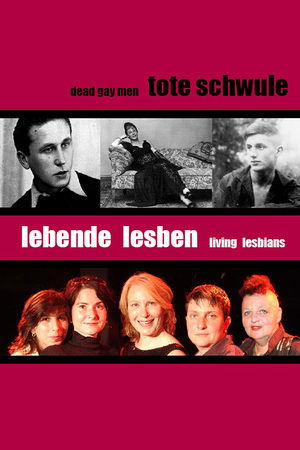
As a result of the Holocaust and later, AIDS, the male homosexual community has sustained bitter losses and, according to Praunheim, lesbian women have now placed themselves at the head of the so-called queer movement. The female protagonists in the film represent two different generations; they also incorporate the past and present status of homosexuals in society.
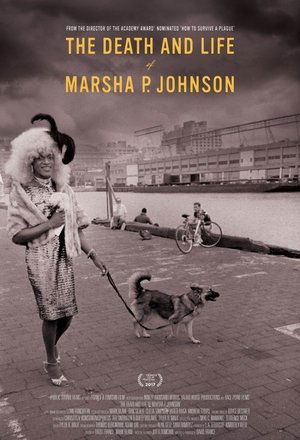
Describing herself as a 'street queen,' Johnson was a legendary fixture in New York City’s gay ghetto and a tireless voice for LGBT pride since the days of Stonewall, who along with fellow trans icon Sylvia Rivera, founded Street Transvestites Action Revolutionaries (S.T.A.R.), a trans activist group based in the heart of NYC’s Greenwich Village. Her death in 1992 was declared a suicide by the NYPD, but friends never accepted that version of events. Structured as a whodunit, with activist Victoria Cruz cast as detective and audience surrogate, The Death and Life of Marsha P. Johnson celebrates the lasting political legacy of Johnson, while seeking to finally solve the mystery of her unexplained death.
Now I lay me down to sleep, I pray the Lord my Soul to keep. If I should die before I wake, I pray the Lord my Soul to take.
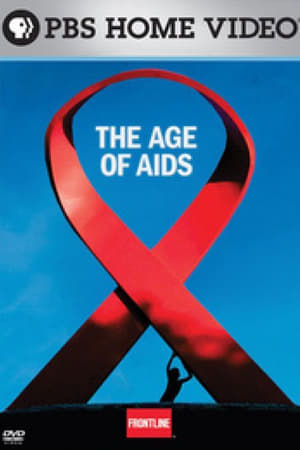
After a quarter-century of political denial and social stigma, of stunning scientific breakthroughs, bitter policy battles and inadequate prevention campaigns, HIV/AIDS continues to spread rapidly throughout much of the world. Through interviews with AIDS researchers, world leaders, activists, and patients, FRONTLINE investigates the science, politics, and human cost of this fateful disease and asks: What are the lessons of the past, and what can be done to stop AIDS?
In 1992, at the height of the AIDS pandemic, activist Terence Alan Smith made a historic bid for president of the United States as his drag queen persona Joan Jett Blakk. Today, Smith reflects back on his seminal civil rights campaign and its place in American history.
This follow-up to the 1989 documentary ONE YEAR IN A LIFE OF CRIME revisits three of the original subjects in New Jersey during a five-year period in the 1990s. We share in their triumphs and setbacks as they navigate lives of poverty, drug abuse, AIDS, and petty crime.
In 1967, New York City is host to the Miss All-American Camp Beauty Pageant. This documentary takes a look behind the scenes, transporting the viewer into rehearsals and dressing rooms as the drag queen subculture prepares for this big national beauty contest. Jack/Sabrina is the mistress of ceremonies, and their protégé, Miss Harlow, is in the competition. But, as the pageant approaches, the glamorous contestants veer from camaraderie to tension.
Explores the lives of Sara, Gigi and Giovanna, three Latino transvestites who for years have lived on the streets of Manhattan supporting their drug addictions through prostitution. They made their temporary home inside broken garbage trucks that the Sanitation Department keeps next to the salt deposits used in the winter to melt the snow. The three friends share the place known as "The Salt Mines".
Ricardo was once Sara, a homeless HIV positive transvestite, living in the underbelly of Manhattan. Today he is a churchgoing, married man, "saved" by a Dallas ministry. He has renounced his homosexuality, but is his conversion complete? Susana Aiken and Carlos Aparicio offer an intimate look at Ricardo's transformation.
From transvestites to transformers, we will follow the trail that will lead us in different and famous Parisian music-halls, such as the mythical Alcazar of Paris, La Grande Eugène. Whether they are below or beyond their character, often these men who are looking for themselves look at life with the humor of despair. Why this need to "transform" themselves? Why is it always the men who cross-dress and not the women? Why did the public flock to these shows in the 1970s and 1980s? Interpretations of famous characters such as Diana Ross, Josephine Baker, Billie Holiday, the Peter Sisters, the Andrew Sisters, Zizi Jeanmaire, Judy Garland, Sarah Bernhardt, among others, contribute to making this musical document an essential testimony of this era.
F, an 18-year-old boy, immerses himself in the world of the Drag Queen where he begins to build his identity despite family and social mandates, which impose on him to be afraid and ashamed of being who he is.