King Corn is a fun and crusading journey into the digestive tract of our fast food nation where one ultra-industrial, pesticide-laden, heavily-subsidized commodity dominates the food pyramid from top to bottom – corn. Fueled by curiosity and a dash of naiveté, two college buddies return to their ancestral home of Greene, Iowa to figure out how a modest kernel conquered America. With the help of some real farmers, oodles of fertilizer and government aide, and some genetically modified seeds, the friends manage to grow one acre of corn. Along the way, they unlock the hilarious absurdities and scary but hidden truths about America’s modern food system in this engrossing and eye-opening documentary.
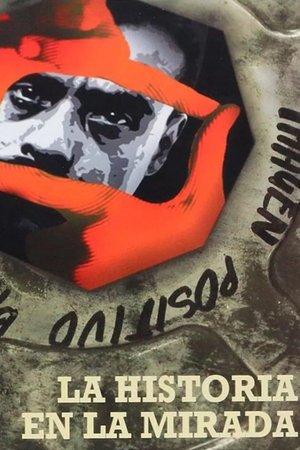
The film portraits the stage previous to the outbreak of the Mexican Revolution, from the end of Porfirio Díaz´ government, the social volatility, the ephemeral government of Madero and the presence of the working class in the figures of Villa and Zapata, until the signing if the Constitution of 1917. All of this through moving images, filmed during those events mainly by the Alva brothers, filmmakers of that time. Those images let us perceive the contradictory and shuddered glance of the people of that period.
A retrospective documentary about the groundbreaking horror series, Friday the 13th, featuring interviews with cast and crew from the twelve films spanning 3 decades.
A portrait of Highlights Magazine following the creation of the cultural phenomenon's 70th Anniversary issue, from the first editorial meeting to its arrival in homes, and introducing the quirky people who passionately produce the monthly publication for "the world's most important people,"...children. Along the way, a rich and tragic history is revealed, the state of childhood, technology, and education is explored, and the future of print media is questioned.
Tells the stories of four students who are turning their lives around at the Ithuteng Trust School.
Born in 1918 in San Diego, Williams was a latchkey child from a broken home, raised by a mother more dedicated to the Salvation Army than to her two sons, and by a father who spent more time away from home than in it. Williams found salvation by doing the one thing he loved most: hitting baseballs. In his rookie season with the Red Sox, where he would spend his entire career as a player, Williams batted .327, socked 31 homers and led the league with 145 RBI. Over the next 21 years, despite losing five seasons of his prime to active service as a U.S. Marine Corps pilot, Williams hit 521 home runs, twice captured the Triple Crown, and became the oldest man ever to win a batting title. He finished his career with a .344 lifetime batting average, was the last man to hit over .400 in a full season, batting .406 in 1941, and was a first-ballot inductee into the Baseball Hall of Fame.
Irrepressible writer-comedian Carl Reiner, who shows no signs of slowing down at 94, tracks down celebrated nonagenarians, and a few others over 100, to show how the twilight years can truly be the happiest and most rewarding. Among those who share their insights into what it takes to be vital and productive in older age are Mel Brooks, Dick Van Dyke, Kirk Douglas, Norman Lear, Betty White and Tony Bennett.
The world of fashion, between the end of the Sixties and the beginning of the Noughties, had a key character that embodied its spirit and told the tale: journalist Anna Piaggi, living witness of that contamination between art, society and culture that changed fashion and sanctioned its success on a global scale. The daughter of a manager for La Rinascente (Milan's iconic high-end shopping mall whose foundation goes back to 1865), Karl Lagerfeld's muse, "a poet with her clothes" in the words of Bill Cunningham, her life is retraced through interviews with designers (Jean-Charles de Castelbajac, Stephen Jones, Manolo Blahnik, and more) together with archival images from four decades of fashion history.
Lola lives in a public nursing home where everything is shared: the clothes, the showers, the only coffin and the endings. Her only personal belonging is the memory of her two great loves: her mother and husband. Thanks to them Lola has something to do every day, going to the main door’s window to check on her husband who lives across the street and to the phone, where she tries to call her mother. Both died long ago, but they are Lola’s only strength to reach her end in a world that, otherwise, is very impersonal for her.
Denise Crosby takes a first look at the huge fans of "Star Trek" from around America and how the series has affected and shaped their lives.
Dandara: Enquanto Morar for um Privilégio, Ocupar é um Direito
Appalachian Journey is one of five films made from footage that Alan Lomax shot between 1978 and 1985 for the PBS American Patchwork series (1991). It offers songs, dances, stories, and religious rituals of the Southern Appalachians. Preachers, singers, fiddlers, banjo pickers, moonshiners, cloggers, and square dancers recount the good times and the hard times of rural life there. Performers include Tommy Jarrell, Janette Carter, Ray and Stanley Hicks, Frank Proffitt Jr., Sheila Kay Adams, Nimrod Workman and Phyllis Boyens, Raymond Fairchild, and others, with a bonus of a few African-Americans from the North Carolina Piedmont.
A feature length documentary film about one man's journey to find the perfect set of feet
Time Is Illmatic is a feature length documentary film that delves deep into the making of Nas' 1994 debut album, Illmatic, and the social conditions that influenced its creation.
Edith and Eddie, ages 96 and 95, are America's oldest interracial newlyweds. Their unusual and idyllic love story is threatened by a family feud that triggers a devastating abuse of the legal guardianship system.
The carnage in Sarajevo provides the focus of this French documentary which seeks to call attention to the terrible conflict in the hopes of finally ending it. The film is divided into five parts. Each part covers a time frame ranging from April 4, 1992, the beginning of the war, to the present. The major issues that occur are three-fold. It depicts the systematic genocide of Bosnians, the silence of Western countries, and the determination of the Bosnians to resist. They refuse to be seen as victims, even though the filmmakers portray them so. Also included are the origins and political aspects of the war. It offers interviews with participants. It also reveals how the U.S. State Department censored reports about Serbian death camps.
Revolutionary fragrances, Haute Couture and spectacular shows: in the world of luxury, Thierry Mugler broke every code. Enter into the backstage of the House: from treasured archives to new creations, from the conception of a new fragrance to designing a ready-to-wear collection with Casey Cadwallader, Mugler Fashion Creative Director, to a frenetic catwalk.
If your bedroom has become too small a stage for your air guitar antics, take inspiration from the competitors featured here as they battle their way from the inaugural U.S. Air Guitar Championship to the world championship in Oulu, Finland. Along the way, filmmaker Alexandra Lipsitz documents the fierce rivalries that develop as would-be rock legends vie for top honors in technical accuracy, stage presence and "airness."
Puentes de Salud is a volunteer-run clinic that provides free medical care to undocumented immigrants in south Philadelphia. Here, doctors and nurses work for free to serve people who would otherwise fall through the cracks. Clinica de Migrantes, a potent film by Maxim Pozdorovkin, follows the workers and patients of Puentes through months of routine care and growth. Along the way, the film puts a face to the millions of people who exist on the margins of society: people displaced from their homelands, separated from their families, unfamiliar with the customs, unable to obtain health insurance and terrified to come forward to seek medical help. Along with revealing these patient stories, Clinica is also a look at the heroic doctors and nurses who work pro bono to ensure these people receive care, offering a deeply moving look at the limitless potential of humanity.
For the first time fashion designer Dries Van Noten allows a filmmaker to accompany him in his creative process and rich home life. For an entire year Reiner Holzemer documents the precise steps that Dries takes to conceive of four collections, the rich fabrics, embroidery and prints exclusive to his designs. As well as the emblematic fashion shows that bring his collections to the world and have become cult “must sees” at Paris Fashion Week. This film offers an insight into the life, mind and creative heart of a master fashion designer who, for more than 25 years, has remained independent in a landscape of fashion consolidation and globalization.