Racismo: Uma Descolonização Em Curso
Sofia, a young girl in Mozambique who is studying to be a doctor, finds that her professor wants more from her than hard work. An unwillingness to compromise her values and potentially her health, may cost her a place there.
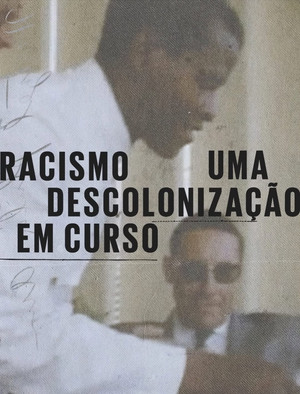
A sequence of archive images filmed by Schefer's grandfather, a former colonial administrator, is the starting point for an experimental documentary on the history and memory of Portuguese decolonisation. Double or split memory: the lived and descriptive memory of the colonizers (their texts, their images) against the fabricated memory of their descendants.
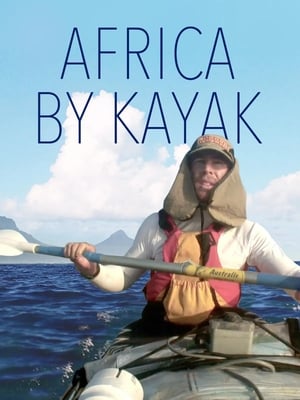
In 2007, Beau attempted to paddle 4000kms from one side of Africa to the other. Starting in Mozambique, he continued along the Southern African coast, allowing five months to complete the voyage. Battling surf, deep sea swell, and too many days waiting for the wind, Beau only completed 2000kms of the original plan.
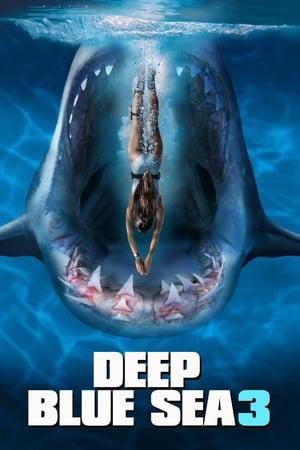
Dr. Emma Collins and her team are spending their third summer on the island of Little Happy studying the effect of climate change on the great white sharks who come to the nearby nursery every year to give birth. Along with the last two inhabitants of this former fishing village, their peaceful life is disrupted when a "scientific" team led by her ex-boyfriend and marine biologist Richard show up looking for three bull sharks who we soon learn aren't just any bull sharks.
A small island, a great history. Long before giving its name to the country, the Mozambique island had a fundamental role in the Indian Ocean during centuries. Anchor point for caravels, meeting point for pirates, it is a melting pot of races. It raises its walls in the middle of the sea. Its winding streets full of life reveal small palaces, churches and white houses. Its inhabitants are eccentric characters, proud of the island's past history. As we wander through the streets we meet an historian, a maritime archaeologist, a fisherman, the "doorman" of the island, a dancer, many spirits...
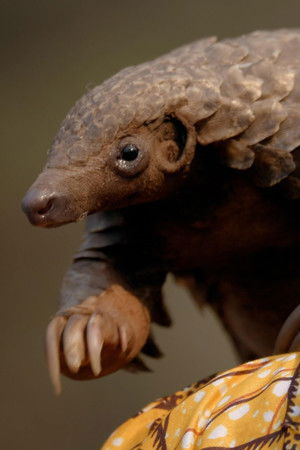
Pangolins are unique, bizarre, adorable creatures, but due to the demand for their scales on the illegal market, they’re also the most trafficked animal in the world. To turn the tide, wildlife veterinarian Elias Mubobo knows the solution rests in the hands of the local community — many of whom have never seen a pangolin in the wild.
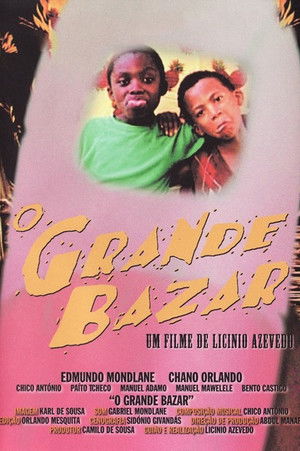
Two boys with different experiences and goals meet up in a sprawling African market. One is looking for a job, to get back what was stolen from him and return home. The other will do anything to avoid having to go back with his family. They become friends and together they reinvent the world.
Limpopo, dating from 1970, directed and produced by Jorge de Sousa, is a story about safaris where the protagonist was a rich industrialist from Porto. It was filmed in Lourenço Marques, in the Limpopo colony and the Maputo elephant reserve.
Great Rift - Der große Graben
On a very cheerful pop music, this film praises the beauties of the landscapes, wildlife, modern architecture and the sweet life of the settlers. Many tourists came from nearby White Rhodesia to indulge in the pleasures of the sea, hotels, safaris. The few Mozambicans are employed to serve them. This film was shot while a few hundred kilometers to the north, tens of thousands of Portuguese soldiers faced the separatist fighters of Frelimo.
An American pilot assists the Portuguese colonial police who are battling a gang of criminals involved in drug smuggling from Lisbon to Mozambique to Zanzibar.
Ethnographic film
The film tells this hopeful story through Dominique Gonçalves, a young African elephant ecologist who strives to empower and inspire Africans, especially women, to become responsible stewards of the environment.
Mozambique, l'île hors du temps
Revealing documentary compilation from historic footage shot by the National Institute of Cinema in Mozambique which looks at the rehabilitation of former colonial government collaborators by the government of Samora Machel (former president of Mozambique). During his reign Mozambique, which gained independence in 1975, was drawn into the struggle against white rule in Rhodesia and South Africa. In 1986 Machel died in an aircrash which is still shrouded in mystery.
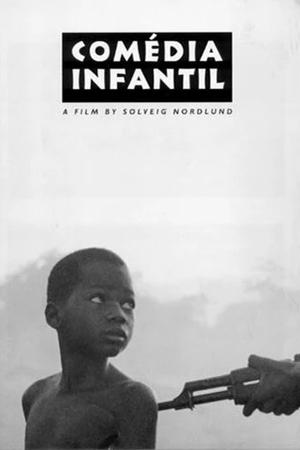
Based on the book by Henning Mankell (Sweden), this story takes place in Mozambique and is about a young boy, Nelio, who loses his entire family during a time of civil war. A wounded Nelio is found by a baker in the capital Mapouto; refusing medical treatment, the boy instead asks for sanctuary so he can tell his terrible tale. This he proceeds to do, starting with how the fighters arrived in his village and slaughtered many, to his captivity, his escape and his teaming with other orphaned street urchins to become their leader in survival.
Documentary on Mozambican music, and the role it played in the country's rediscovering its national identity after centuries of colonial rule.
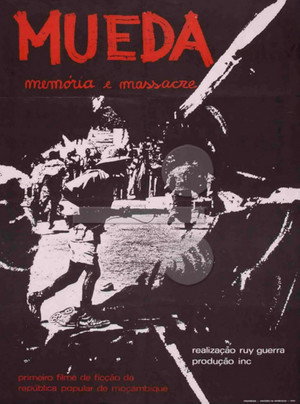
Mueda was a massacre. The name is that of the village in Northern Mozambique where in 1960 it took place. The Portuguese colonial regime did the killing. In independent Mozambique, those inhabitants of Mueda who survived regularly re-enact the massacre in situ. They themselves play the roles of victims, assassins, and spectators. Ruy Guerra, now a Brazilian but born in Lourenço Marques (now Maputo, the capital of Mozambique), filmed this extraordinary creation of liberated popular culture, intercutting it with first-hand interviews on the massacre. The mix is compelling, and the grave yet joyous spectacle unique.
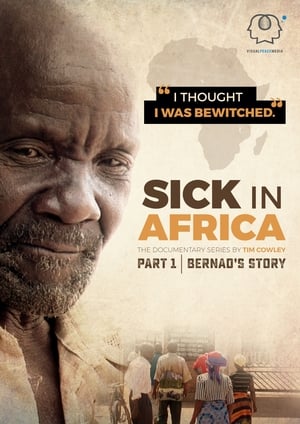
Sick in Africa follows the true stories of several Mozambicans from the Yawo tribe who are ill, but searching for healing and answers.