TV adaptation of the seventh comedy special by the Dutch comedian Eric van Sauers.
The bigger the audiences for Dutch comedian Micha Wertheim’s shows became, the less he had to do to make them laugh. In one early show, he suggested that the audience would be better off without him. So in 2016, he acted upon this suggestion with an experiment that made theater history: he wasn't physically present onstage but somewhere else. The audience wasn't aware of this in advance, though they did get a hint in the form of a pre-recorded "live" radio interview from a remote studio. "I see my audience as my children," Wertheim says in this interview. "You have to educate them, and that’s what I’ve been doing for the past 15 years. At first you have to constantly be there watching them, but there comes a time when you have to trust them to get on with it without you." With some help from a robot, a printer, a stereo and a set of headphones, the members of his audience were able to make their own performance.
This comedy/theatre show is the sequel to 'Micha Wertheim: Somewhere Else'. This second show starts exactly where the first show ended: in the same theatrical scenery, with the same robot. But this time Wertheim surprises his audience by showing up. He tells about how the first experimental comedy show was received and contemplates about the magic of theatre and art in a society about the right to exist of art in a society that allows less and less doubt and confusion. When Robot falls into a depression, the boundaries between theater and reality begin to blur.
Wouter Deprez: Eelt
A comedian who bases three-quarters of his show on interaction with his audience has to be very talented to make it work. Or come from Belgium. Wouter Deprez (pronounced Depree) devotes his entire show WAR to interacting with the audience—and with great success.
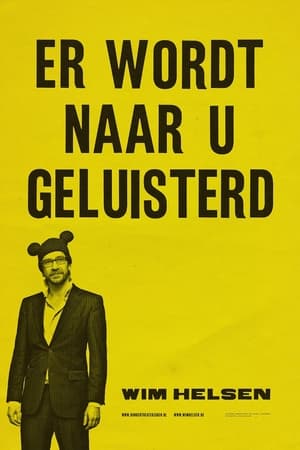
Award-winning artist Wim Helsen proves in his fifth theater performance that he not only has deep, absurd thoughts, but is also a good listener.
Zijn humoristische stijl kan omschreven worden als absurd, volks, subversief, anarchistisch, kinderlijk, morbide, soms vulgair en populistisch.
Television registration of the seventh solo program by the Dutch comedian Sara Kroos.
Micha Wertheim asks himself and his audience how to live and survive in a gloomy future perspective. Populism seems to have been taken for granted by both right-wing and left-wing parties. Racism, sexism, anti-Semitism seem to be increasing. The planet is dying. The factory farming industry is still booming. We have reached a dead end and we are standing with our noses against a blank wall. All we can do now is turn around to see how we got here, with our backs against the wall.
Youp van 't Hek: Omdat De Nacht
Youp van 't Hek, the famous Dutch comedian, is at it again with this hilarious 2008 review of the year which as a tradition always gets broadcast throughout the Netherlands on New Years Eve. This one finds you watching a typical Youp, high speed and cursing every chance he gets!
Registration of the pantomime show of the same name. A starving shipwrecked sailor is picked up by a rusty whaler. No one can imagine that this is the beginning of the end.
Mark Van De Veerdonk - Het Hele Zwikkie
Stefan Pop: Popaganda
After an introduction in which he reminded us all of our meaningless, shitty lives, there followed an exhilarating hour and a half packed with hilarity, a dismantling of the Jesus myth, emotion, useful tips for the bakery, a few English expressions, Skopja skopja, and above all, Wim Helsen.
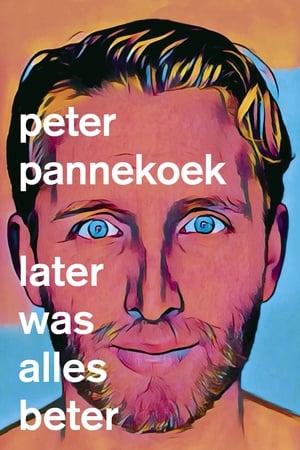
With the world changing faster than ever, comedian Peter Pannekoek shares his thoughts about power, evolving gender relations and the times ahead.
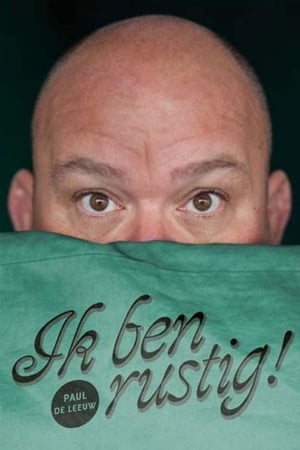
Paul de Leeuw: Ik Ben Rustig
Daniël Arends: De Afterparty
Daniël Arends: Meer van hetzelfde (Deel 1)