In their feature film debut, CARTERLAND, the Pattiz Brothers examine the tragic, yet inspiring story of America's most misunderstood president. While leading the nation through a series of unprecedented crises, Jimmy Carter also confronted climate change and championed social justice at home and abroad. This groundbreaking film draws on archival footage, experts, and insiders to reveal how Carter's selfless leadership and moral integrity ultimately cost him the presidency.
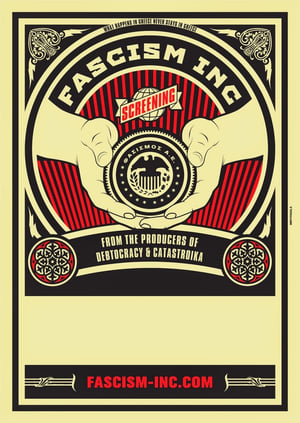
Unknown short stories from the past, the present and the future of fascism and its relation to the economic interests of each era. We will travel from Mussolini’s Italy to Greece under the Nazi occupation, the civil war and the dictatorship; and from Hitler’s Germany to the modern European and Greek fascism.
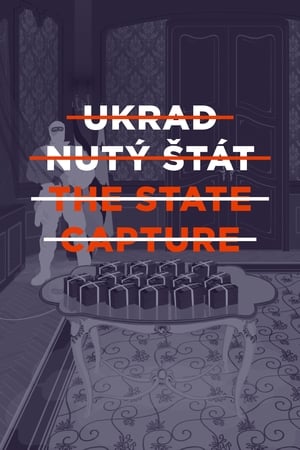
The film gives a complex insight into the gap in political reality of Slovakia - one of the EU countries - which became visible after an investigative journalists Ján Kuciak and his fiancée has been brutally murdered at their home. Following mass demonstrations led to substantial changes in the country's government, but the film doesn't follow history, but much more the universal processes behind the curtain. Journalists, (ex?)-officers of secret services, lawyers and analysts helps to reveal detective story in search of whom ordered to murder a journalist and an innocent girl. But main concern of the film is to reflect mechanisms of oligarchy and mafias (including the Italian) to blackmail key players of the system, to influence public perception and to penetrate police, judiciary and the government in their efforts to rule the country in the ways leading to their profits.
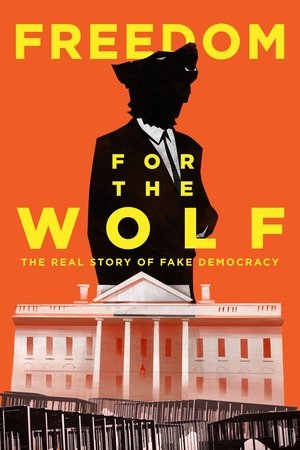
The Real Story of Fake Democracy. Filmed over three years in five countries, FREEDOM FOR THE WOLF is an epic investigation into the new regime of illiberal democracy. From the young students of Hong Kong, to a rapper in post-Arab Spring Tunisia and the viral comedians of Bollywood, we discover how people from every corner of the globe are fighting the same struggle. They are fighting against elected leaders who trample on human rights, minorities, and their political opponents.
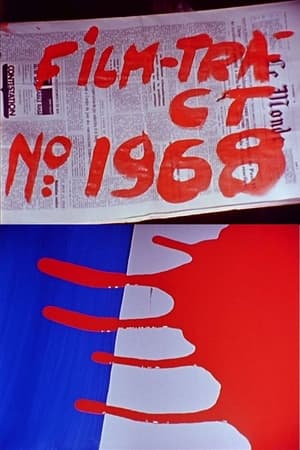
In the 1968 movement in Paris, Jean-Luc Godard made a 16mm, 3-minute long film, Film-tract No.1968, Le Rouge, in collaboration with French artist Gérard Fromanger. Starting with the shot identifying its title written in red paint on the Le Monde for 31 July 1968, the film shows the process of making Fromanger’s poster image, which is thick red paint flows over a tri-color French flag. —Hye Young Min
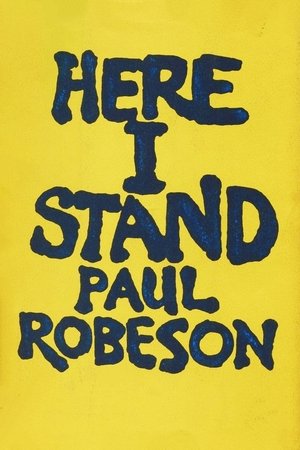
Paul Robeson: Here I Stand presents the life and achievements of an extraordinary man. Athlete, singer, and scholar, Robeson was also a charismatic champion of the rights of the poor working man, the disfranchised and people of color. He led a life in the vanguard of many movements, achieved international acclaim for his music and suffered tremendous personal sacrifice. His story is one of the great dramas of the 20th century, spanning an international canvas of social upheaval and ideological controversy.
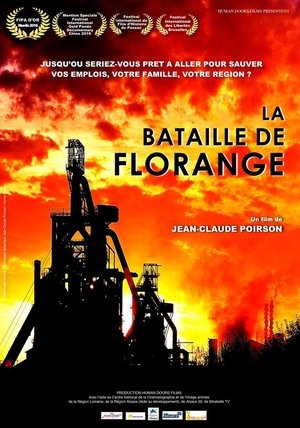
La bataille de Florange
Guerrilla de la Comuniación: uno de cada diez dentistas recomienda chicles con azúcar
Documenting the lead up to the Swiss popular initiatives in 1989 to abolish the military, the first such popular vote in history. Showing events organized by the military, political discussions and a play adapting a novel by Max Frisch, treating the issue.
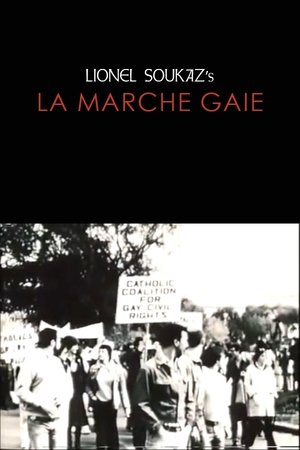
A short documentary about the October 14 1979 March For Lesbian And Gay Rights in Washington D.C.
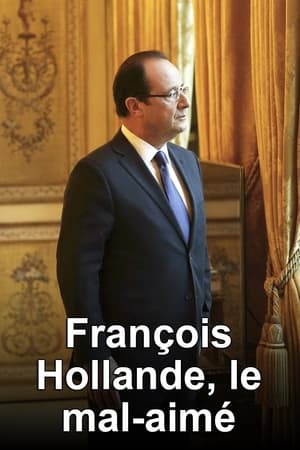
François Hollande, le mal-aimé
Die Demonstration
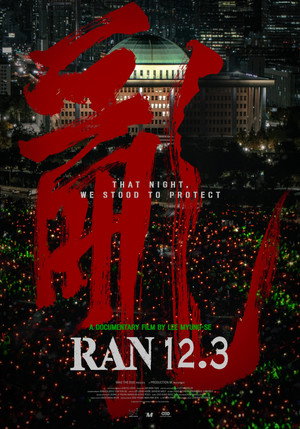
An ordinary day is suddenly disrupted by an unexpected declaration of martial law. In a race against time, citizens and members of the National Assembly rush to the parliament to defend it. Until 1:01 a.m., when martial law is finally lifted, a desperate confrontation unfolds between special forces under orders from Yongsan and civilians.
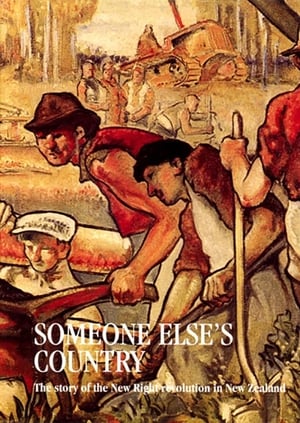
Someone Else’s Country looks critically at the radical economic changes implemented by the 1984 Labour Government - where privatisation of state assets was part of a wider agenda that sought to remake New Zealand as a model free market state. The trickle-down ‘Rogernomics’ rhetoric warned of no gain without pain, and here the theory is counterpointed by the social effects (redundant workers, Post Office closures). Made by Alister Barry in 1996 when the effects were raw, the film draws extensively on archive footage and interviews with key “witnesses to history”.
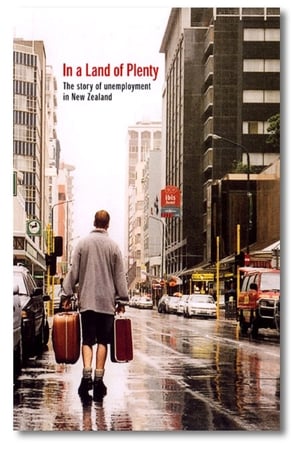
The story of unemployment in New Zealand and In A Land of Plenty is an exploration of just that; it takes as its starting point the consensus from The Depression onwards that Godzone economic policy should focus on achieving full employment, and explores how this was radically shifted by the 1984 Labour government. Director Alister Barry's perspective is clear, as he trains a humanist lens on ‘Rogernomics' to argue for the policy's negative effects on society, as a new poverty-stricken underclass developed.
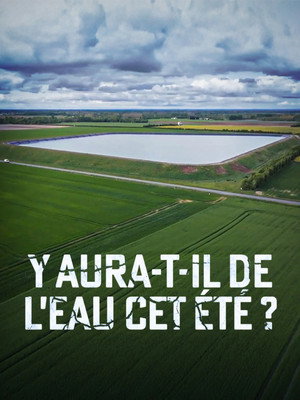
Through encounters with a hydrologist, a farmer, and citizens mobilized around the Marais Poitevin, the director helps us understand the effects—on biodiversity and the state of rivers—of substitution reservoirs, also known as megabassins. For several years, Anne-Morwenn, David, Patrick, Yann, and others have been fighting for fair water sharing and devising ways to convince as many people as possible that it is time to change the agricultural model.
In the 14 months prior to the revolution, filmmaker Lillie Paquette follows key opposition figures and young activists as they struggle against the odds and at great personal risk to remove an uncompromising US-backed regime.
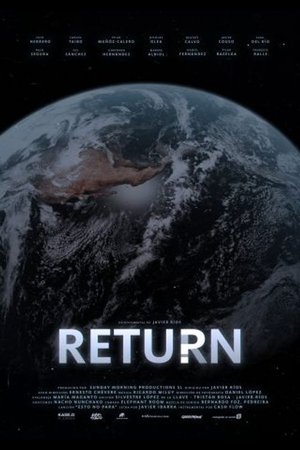
This is a documentary linking ecological and political problems. The planet has come to be less important than the multinational earnings, and with it politicians earnings as well. With this project we bring foreward this problem, witch not only affects the third world, but is a worldwide situation witch needs to be adressed.
Journal d'un électeur
Alliances Terrestres