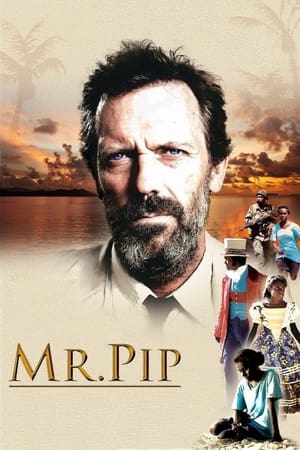
A man encounters colorful characters while driving a taxi in Papua New Guinea.
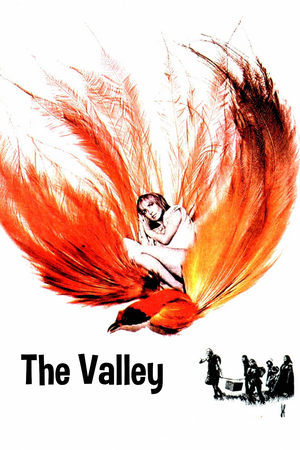
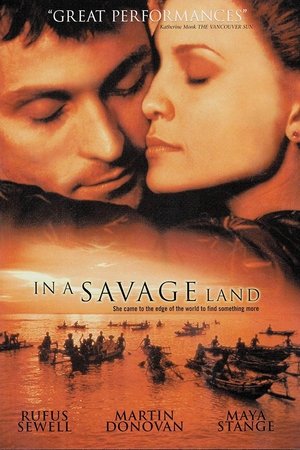
Viviane, a French Consul's wife, is in New Guinea to find exotic feathers for export to Paris. She encounters four European travelers who are en route to "La Vallée": The Valley, high in the Guinean mountains, is shown on maps as 'obscured by clouds' and is beyond their previous experiences. Viviane joins their trek to find rare feathers and soon becomes entwined in their journey. Their extended stay with the Mapuga tribe brings a denouement between western and indigenous values before their final quest toward the 'Valley of the Gods'.
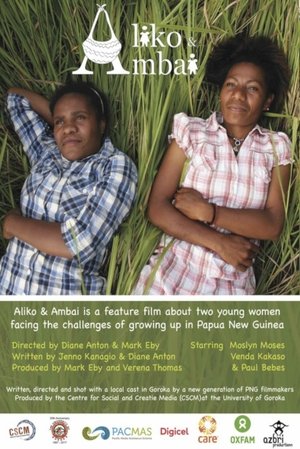
Aliko & Ambai is a feature film about two young women facing the challenges of growing up in the beautiful Eastern Highlands of Papua New Guinea. The challenges are significant: tribal conflict, poverty, bullying, domestic violence,and forced marriage. Aliko struggles to complete her education and Ambai searches to escape her abusive home and reunite with her biological father. They navigate the many obstacles in their lives and endeavour to build brighter futures for themselves, supported by the strength of friendship.
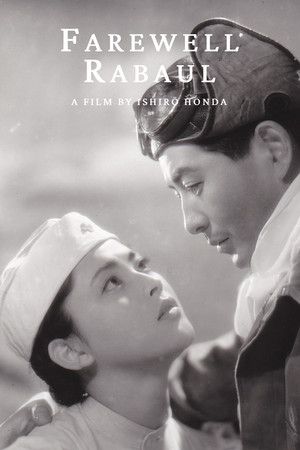
A squadron of Japanese fighter pilots realise that they are never going to win the war when they understand that Japanese military tactics have little regard for life. Seeking the companionship of any woman who will have them, they spend their days indulging in every fantasy in order to escape the overwhelming fear of death looming just over the horizon.
Two anthropologists married to each other go to an island off of Papua New Guinea for field research in pre-World War II. Eventually the war breaks out and many lives are disrupted and complicated.
Tells the story of a university drop out who returns to his village in Buka Passage, Bougainville. He drifts into rootlessness among bad companions, becoming progressively alienated from his parents and village life, with tragic results.
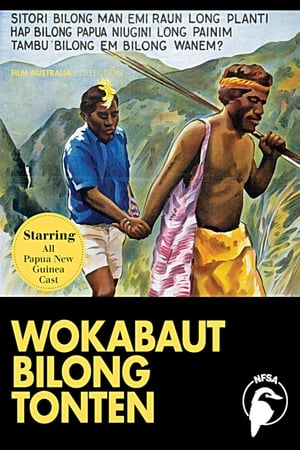
A Pidgin language drama based upon the emergence of Papua New Guinea as an independent nation. A young coastal man, Tonten, is searching for his missing brother. During his travels Tonten meets and marries a Chimbu girl in the highlands, and then he makes his way over the mountains to Port Moresby, the capital of PNG. After finding his brother, Tonten and his wife return to a peaceful life in his village. Wokabaut Bilong Tonten was the first feature film shot in Papua New Guinea with an all-Indigenous cast.
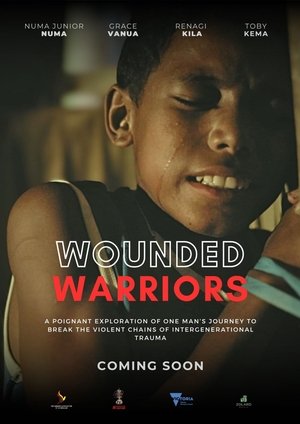
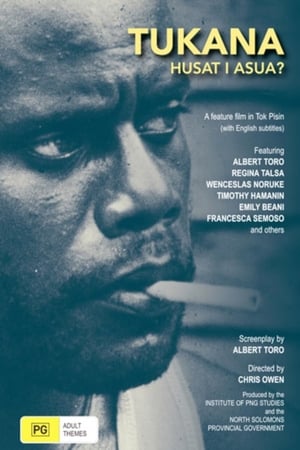
A poignant exploration of one man’s journey to break the violent chains of intergenerational trauma.
As a war rages on in the province of Bougainville in Papua New Guinea, a young girl becomes transfixed by the Charles Dickens novel Great Expectations, which is being read at school by the only white man in the village.
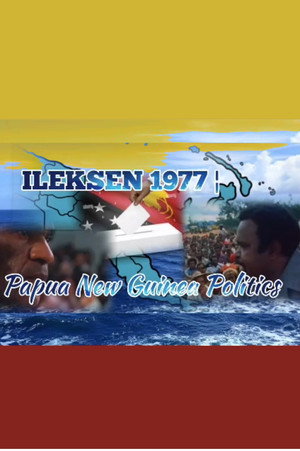
A companion to Yumi yet, O’Rourke and Kildea’s Ileksen (derived from the English 'election’) documents Papua New Guinea’s first general election in 1977. The film records a broad cross-section of candidates who, without an extended media network at their disposal, rely on relentless campaigning, ingenuity and personal charisma to attract votes. Emphasising the divide between coastal people and highlanders, Ileksen looks at the election campaign, election day and the political manouvering that goes with the formation of a government.
In Papua New Guinea where homosexuality is illegal, Hanuabada village is one of few places where gay and transgender men can live in safety. Elsewhere gays are targeted and physical and sexual assaults are common.
A woman and her brother fly to New Guinea to look for a lost expedition, led by her husband, which has vanished in the great jungle.
After squandering his grant money, despondent and recently widowed anthropologist James Krippendorf must produce hard evidence of the existence of a heretofore undiscovered New Guinea tribe. Grass skirts, makeup, and staged rituals transform his three troubled children into the Shelmikedmu, a primitive culture whose habits enthrall scholars. But when a spiteful rival threatens to blow the whistle on Krippendorf's ruse, he gets into the act as well.
An Australian widower living in New Guinea starts a relationship with a woman very similar to his much-beloved wife, but their life together turns out to be far from the imagined romantic ideal.
Conservationists Jim and Jean Thomas braved the steamy jungles of Papua New Guinea to save a tree kangaroo from extinction and ended up providing water and sanitation to ten thousand people in one of the most remote places on earth.
John Waiko is the first Papua New Guinea man to graduate with a PhD and be appointed a professor. He returns to the Binandere clan and his small village of Tabara in the Northern Province of PNG. Once there, he has to organise a celebration for his achievements with his family’s help. Since he has been away for most of his life, he has no recognised wealth in the village (the pigs used for gift giving), nor a network of supporters or knowledge of the preparation and rituals for having such a celebration. He wants the event to happen quickly but that’s not the way it works in Tabara. Man without pigs focuses on the antagonism aroused by the clash between traditional customs and Western values in this remote PNG community.
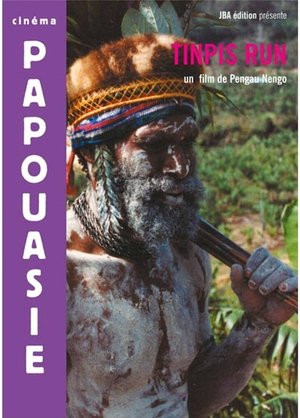
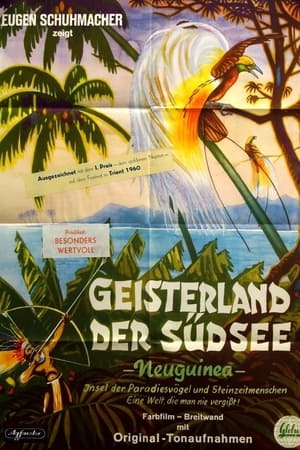
The island of New Guinea is the setting for this film, which focuses on the landscape, the life of the Papuans and their ritual festivals and spirit dances. The colorful birds of paradise are the pride of the islanders. Among the more than 40 species, the smallest, the "Little King" with blood-red plumage, can also be found on the island.
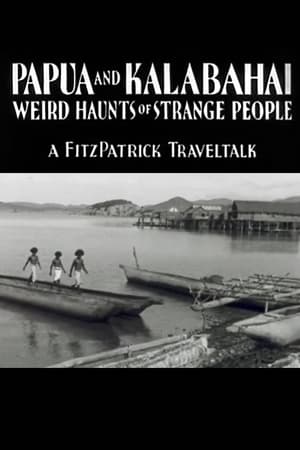
This Traveltalk series short visits Papua and Kalabahai.
Joe Leahy is the half-caste son of one of the first explorers of the Papua New Guinean interior. The documentary explores his relationship with the tribes that work his coffee plantation and explores what happens when the coffee market situation becomes more difficult.
A documentary that reveals the underbelly of the global aid and investment industry. It's a complex web of interests that span the earth from powerful nations and multinational corporations to tribal and village leaders. This documentary offers unique insights into a multi-billion dollar world by investigating how aid dollars are spent.