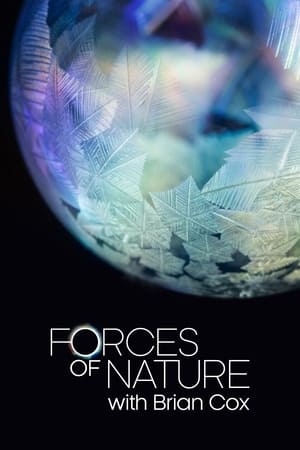
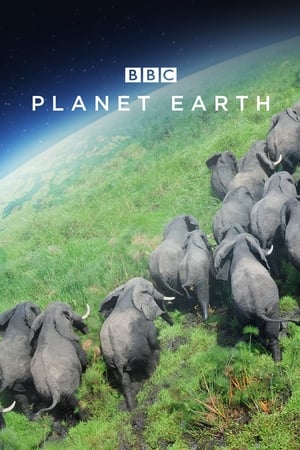
Professor Brian Cox goes on a grand tour of the planet to explain how the Earth's beauty is created by just a handful of forces.
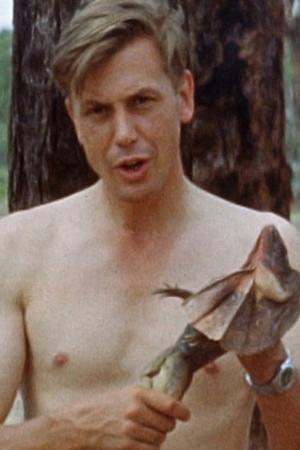
Long-running travel programme
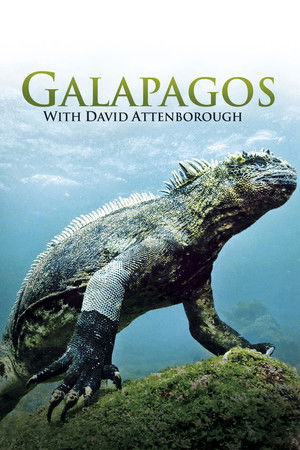
David Attenborough uses pioneering 3D-techniques and technology to explore the unique environments and species of the Galapagos.
Michael Palin undertakes an epic journey of 23,000 miles, traveling from the North to the South Pole across 17 countries with a minimum of air travel, all on a tight deadline.
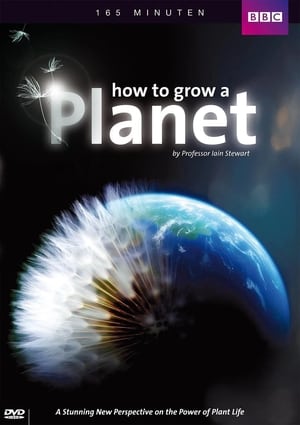
Geologist Iain Stewart explain in three stages of natural history the crucial interaction of our very planet's physiology and its unique wildlife. Biological evolution is largely driven bu adaptation to conditions such as climate, soil and irrigation, but biotopes were also shaped by wildlife changing earth's surface and climate significantly, even disregarding human activity.
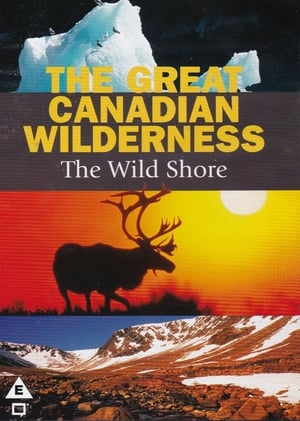
Explore the raw beauty and awesome natural power of the Great Canadian Wilderness - the largest untouched wilderness in the world.
David Attenborough celebrates the amazing variety of the natural world in this epic documentary series, filmed over four years across 64 different countries.
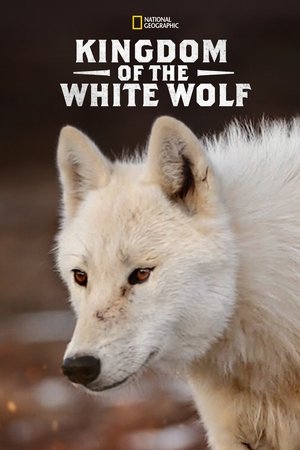
Ronan Donovan, our expert guide and National Geographic photographer, takes the audience on an intimate exploration of the Arctic during the endless day of the summer months, giving insight to the unexpected abundance of the 'Garden of the Arctic' in Wolf Valley as he attempts to embed with a wolf family pack.
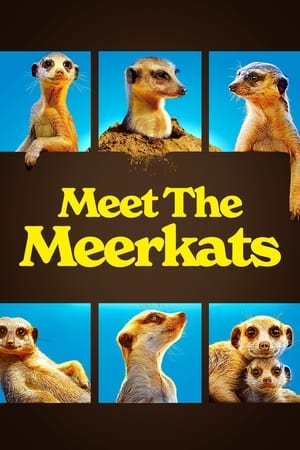
Meet three rescued meerkat families (mobs) who are learning the way of life in the wild for the very first time.
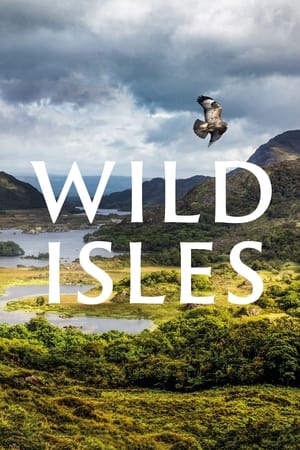
This nature documentary introduces viewers to the fauna and flora of Britain and Ireland across four main areas: woodlands, grasslands, freshwater and marine.
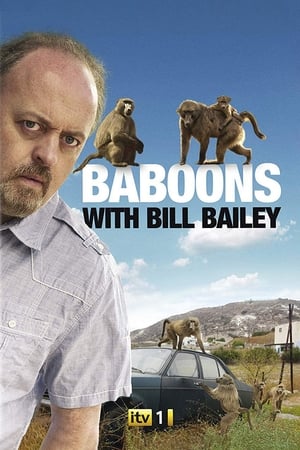
Baboons with Bill Bailey is a wildlife documentary series presented by Bill Bailey. The series follows Bill as he attempts to find out more about the lives of baboons who are living in several colonies in Cape Town, South Africa.
David Attenborough reveals the surprising truth about the cold-blooded lives of reptiles and amphibians. These animals are as dramatic, as colourful and as tender as any other animals.
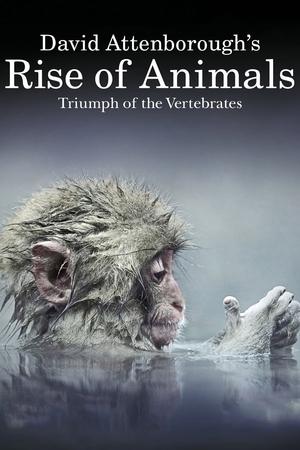
David Attenborough embarks on a remarkable 500 million-year journey revealing the extraordinary group of animals that dominate our world, and how their evolution defines our human bodies.
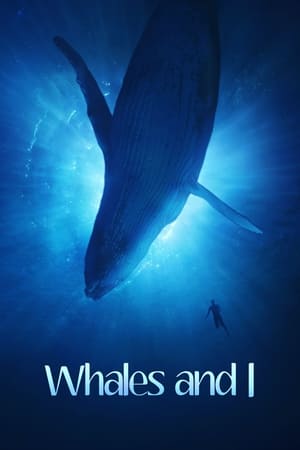
Witness the lives of whales and the urgent environmental crisis reflected in their demise.
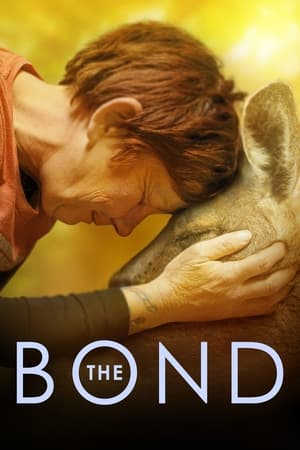
An intimate look at the unique bond between animals and humans, spotlighting these relationships in its purest forms and telling the remarkable, moving, and surprising stories of men, women, and children bonding deeply with animals that we might think of as wild.
Animales en peligro
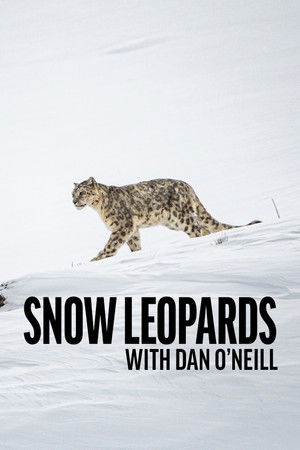
Biologist and naturalist Dan O'Neill embarks on a groundbreaking mission to protect one of the world's most elusive creatures—the snow leopard. Set against the stunning backdrop of Kyrgyzstan's rugged mountains, this two-part adventure follows Dan as he works to build a new research center dedicated to studying these majestic cats.
The Earth’s continents are instantly recognizable. These iconic landmasses seem permanent and unchanging, yet they are merely the wreckage of a much larger long-lost supercontinent – Pangaea. In this stunning four part series Professor Iain Stewart uncovers the evidence for this ancient past. He reveals how the world around us is full of clues – in the rocks, the landscapes and even the animals. All of which tell us how the land we live on was created.
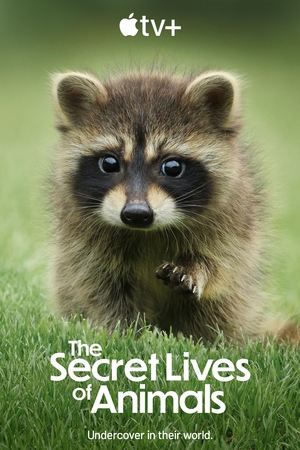
Discover the clever and creative ways animals navigate life’s most extraordinary challenges, from leaving home to finding a partner.
See It Now is an American newsmagazine and documentary series broadcast by CBS from 1951 to 1958. It was created by Edward R. Murrow and Fred W. Friendly, Murrow being the host of the show. From 1952 to 1957, See It Now won four Emmy Awards and was nominated three other times. It also won a 1952 Peabody Award, which cited its