Toulouse-Lautrec's sketchbooks are turned into an animated short.
Romantic art was a response to the social upheavals of the 19th century, as shown by works by its emblematic painters Friedrich, Venetsianov and Delacroix.
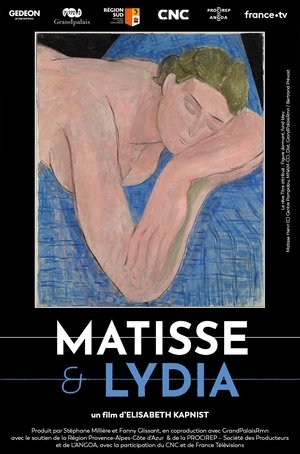
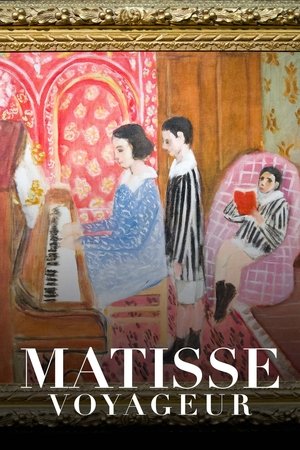
On the occasion of the 150th anniversary of Matisse's birth and of the exhibition at the Center Pompidou which will be dedicated to him in 2020, this art documentary brings us back to life of the journeys made by Matisse that influenced his art. And particularly his last trip to Polynesia in 1930 which will bring him to the threshold of contemporary art with the invention of his gouache cut-out papers.
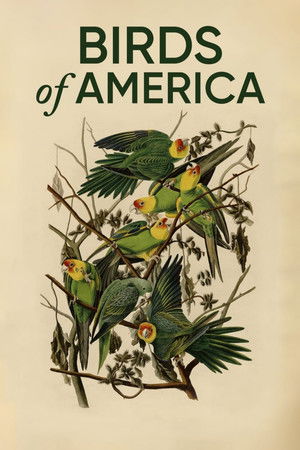
In the first half of the 19th century, the French ornithologist Jean-Jacques Audubon travelled to America to depict birdlife along the Mississippi River. Audubon was also a gifted painter. His life’s work in the form of the classic book ‘Birds of America’ is an invaluable documentation of both extinct species and an entire world of imagination. During the same period, early industrialisation and the expulsion of indigenous peoples was in full swing. The gorgeous film traces Audubon’s path around the South today. The displaced people’s descendants welcome us and retell history, while the deserted vistas of heavy industry stretch across the horizon. The magnificent, broad images in Jacques Loeuille’s atmospheric, modern adventure reminds us at the same time how little - and yet how much - is left of the nature that Audubon travelled around in. His paintings of the colourful birdlife of the South still belong to the most beautiful things you can imagine.
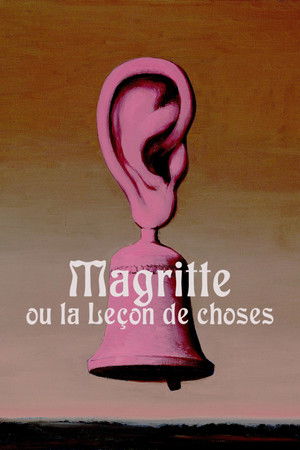
The surrealist painter René Magritte questions the objective reality and emphasizes the arbitrariness of the relationship between an object, its image and its name: the evocation of mystery consists of images of familiar things gathered or transformed in such a way that they no longer conform to our ideas, whether naive or wise.
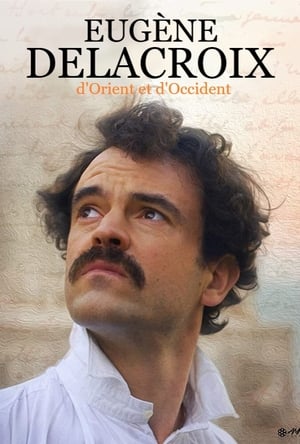
Delacroix, d'orient et d'occident
Matisse & Lydia
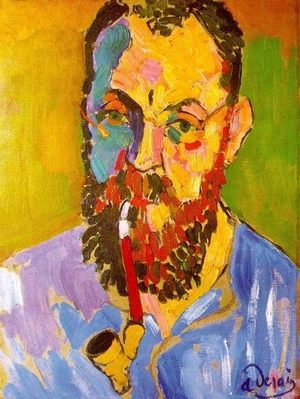
Les plus grands peintres du monde : André Derain
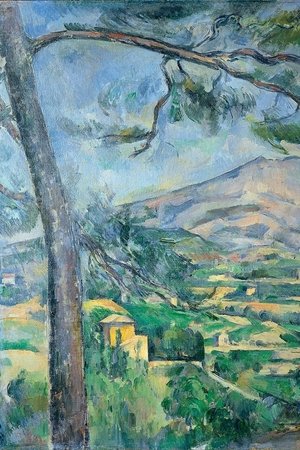
Explore the life and work of the painter who formed a bridge between the Impressionist and Cubist art movements at the turn of the century.
Leaving the studio to go out and capture real life: that was the impressionist aesthetic. Claude Monet was its most famous proponent and artist. This documentary reveals the places that inspired the painter during his lifetime.
Degas à l'Opéra
Nicolas de Staël, la peinture à vif
Les Mains magnétiques, Ernest Pignon-Ernest
When a prestigious art gallery invites Isobel Toussaint, a Haitian-American painter with a neurological disorder, to showcase her work at their Art Basel exhibition, she seizes the chance to pursue her dreams. To claim the life she thought was out of reach, she must confront her fears, push past her physical limitations, and open herself to love.
A group of people are standing along the platform of a railway station in La Ciotat, waiting for a train. One is seen coming, at some distance, and eventually stops at the platform. Doors of the railway-cars open and attendants help passengers off and on. Popular legend has it that, when this film was shown, the first-night audience fled the café in terror, fearing being run over by the "approaching" train. This legend has since been identified as promotional embellishment, though there is evidence to suggest that people were astounded at the capabilities of the Lumières' cinématographe.
A day in the city of Berlin, which experienced an industrial boom in the 1920s, and still provides an insight into the living and working conditions at that time. Germany had just recovered a little from the worst consequences of the First World War, the great economic crisis was still a few years away and Hitler was not yet an issue at the time.
Hip Hip Parade! was a primetime special promoting the Macy's Thanksgiving Day Parade, originally broadcast on PBS stations throughout Thanksgiving week 1978. Hosting the special were Kermit the Frog and Fozzie Bear, of The Muppet Show fame.
The boys compete to see who could stay within the branches of a Christmas tree the longest, intermingled with sketches and other surprises.
Diamond Road is a three-part series and 96 minute feature documentary exploring the historical, cultural and socio-political facets of the world's most intriguing gem. Boring deep into the diamond world, the series seeks to understand the multiple meanings of an object that is as old as the earth itself.
50 minutos e 23 segundos com Júlio Bressane