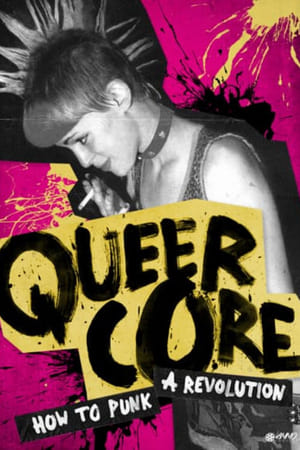
A documentary on Queercore, the cultural and social movement that began as an offshoot of punk and was distinguished by its discontent with society's disapproval of the gay, bisexual, lesbian and transgender communities.
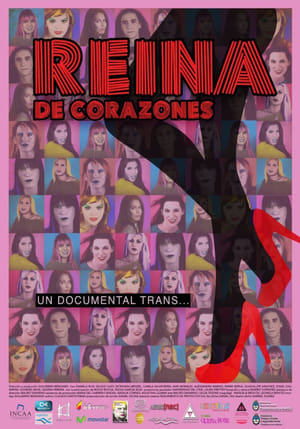
The story of ten trans girls who form a co-op theatre to be able to stop working as prostitutes. The protagonists tell us their dreams, show their daily struggles and share their experiences and realities to be accepted and belong to society as well.
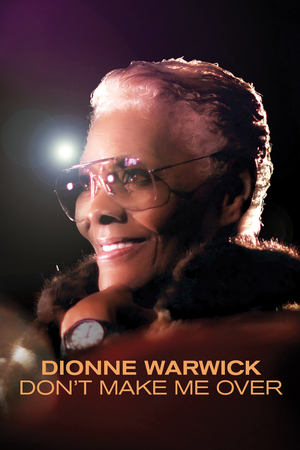
The story of the iconic singer's fascinating six-decade career in both music and Black and LGBTQ activism.
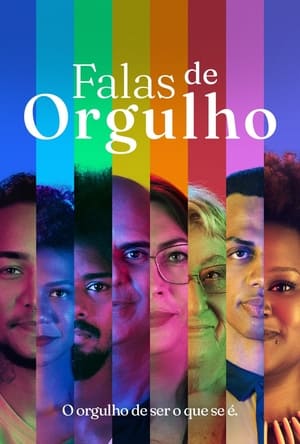
The journey of eight characters of different ages, regions, life trajectories and religions – and behind them, stories of overcoming difficulties, prejudice and self-acceptance, passing through themes transversal to the letters that form the acronym LGBTQIA+ – that culminate in the celebration of being able to be who you are and in the exaltation of these voices.
This documentary speaks to local activist groups in the music industry and culture scene to find out why people are driven to fight back and speak out on subjects they’re passionate about. With an aim of inspiring the next generation, each activist gives their advice on how you can put a cause you are passionate about in the local scene into action. Hope Lynes spoke to Phil Douglas from LGBTQIA+ organisation Curious Arts; grassroots promoter Hana Harrison from Art Mouse; Tracks' Sarah Wilson, who campaigns for better female representation in the music scene with her project Noisy Daughters; Chantal Herbert from feminist Black and queer-led organisation Sister Shack; and disability activist and musician Ruth Lyon. It’s hoped that this intimate and personal documentary will explore the starting points to beginning your own activism.
The queens of RuPaul's Drag Race and the original cast members of The Brady Bunch unite for a Pride crossover event.
In 1980, the first march of gays, lesbians and transvestites took place in Brazil in protest against the constant police operations that took place in São Paulo, which aimed to repress these groups. Based on Renan Quinalha's doctoral thesis, “Against morality and good customs: the sexual politics of the Brazilian dictatorship (1964-1988)”, carried out by the Institute of International Relations, a series of four 5 minute videos about the birth of the LGBT movement during the Military Regime.
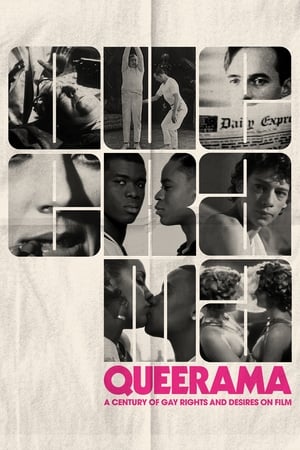
Created from a treasure trove of archive, Queerama traverses a century of gay experiences, encompassing persecution and prosecution, injustice, love and desire, identity, secrets, forbidden encounters, sexual liberation and pride. The soundtrack weaves the lyrics and music of John Grant, Goldfrapp and Hercules & Love Affair with the images and guides us intimately into the relationships, desires, fears and expressions of gay men and women in the 20th century – a century of incredible change.
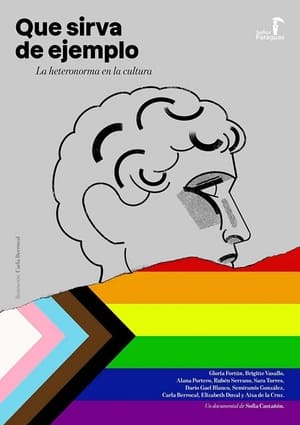
What is heteronormativity, what does it mean for men and women, what is the cultural canon, does culture reflect or does culture construct? We reflect on all this by putting in dialogue ten people who, from different fields of culture, have thought about this.
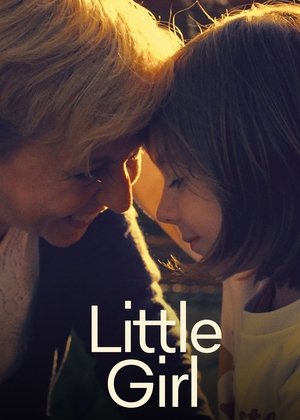
7-year-old Sasha has always known that she is a girl. Sasha’s family has recently accepted her gender identity, embracing their daughter for who she truly is while working to confront outdated norms and find affirmation in a small community of rural France.
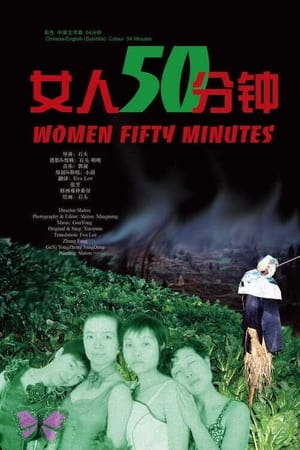
A representation of queer and feminist imagery that was mainly shot in the Qinghai-Tibetan Plateau, remote and developing areas in southwest China, and metropolitan cities like Beijing from 2000 to 2004 to document the social changes in contemporary China. The director sympathetically and erotically represents a variety of women, including women as laborers, women as prayers, women in the ground, women in marriage, and women who lie on the funeral pyre with their dead husbands. Her camera juxtaposes the mountains and rivers in old times, the commercialized handicrafts as exposition, the capital exploitation of the elders’ living space, and the erotic freedom of the young people in a changing city.
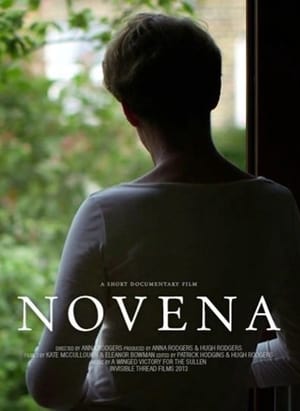
In 2012, Stephen Vaughan and Kay Ferreter are invited to address the congregation at St. Joseph's Redemptorists Church in Dundalk, Ireland for the Solemn Novena Festival. In a powerful speech, the pair describe their experiences being gay and lesbian in Ireland, feeling excluded by Catholic doctrine, and the importance of a more inclusive church.
A documentary in which 5 men describe their experiences with gender dysphoria as they wrestled with feelings of inadequacy as men, and their ultimate pursuit to find peace in their natural bodies.
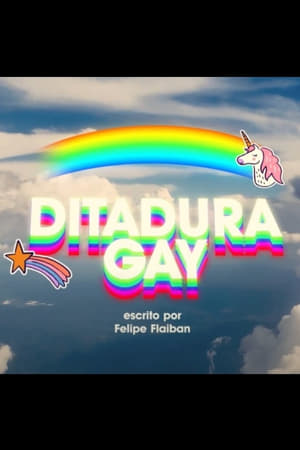
Based on conspiracy theories, a threat from an authoritarian, homophobic and retrograde government generates a revolution in the gay community that promises to dominate political power and impose its ideas on heteros, more or less as they always have, on the other hand. It is impossible? Yes. Is it ridiculous? Yes. But there are people who believe in the way they imagined it, a short that is a prologue to a possible future series...
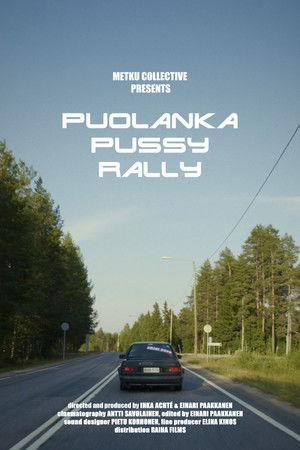
Puolanka, a tiny village in Northern Finland is famous for its population decline, but also for its dark sense of humor about it. As the long summer evenings stretch out, teenage boys celebrate their new driver’s licences by endlessly circling the same few streets, while an older generation of local gents, proudly known as The Parliament, has already parked itself permanently at the petrol station café. Here, hunting and the legendary “Pussy Rally” aren’t taboos but badges of cultural identity. The only mystery that seems unsolved: where have all the women gone?
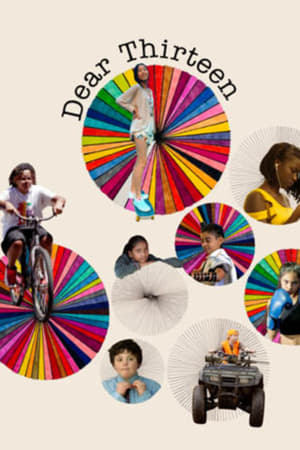
A nuanced portrait of a new generation, Dear Thirteen is a cinematic time capsule of coming of age in today’s world. Through the eyes of nine thirteen-year-olds, we see how pressing social, geographical and political challenges are shaping, and being shaped by, young people: rising anti-Semitism in Europe, guns in America, gender identity and racial divisions across Australia and Asia. With no adult commentary outside the filmmaker, Dear Thirteen offers an intimate view into the universal uncertainty inherent in growing up.
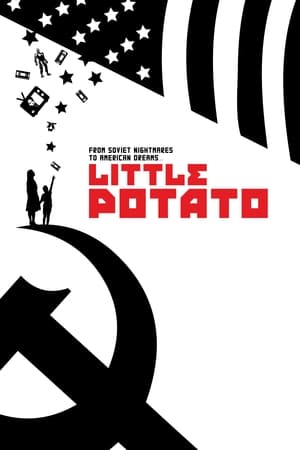
Wes Hurley's autobiographical tale of growing up gay in Soviet Union Russia, only to escape with his mother, a mail order bride, to Seattle to face a whole new oppression in his new Christian fundamentalist American dad.
Two actresses take us through a series of 'raps' and sketches about what it means to be beautiful and black.
After the death of his parents, a gay man comes back to his village to live in his small world of happiness, dreams, sadness and loneliness.
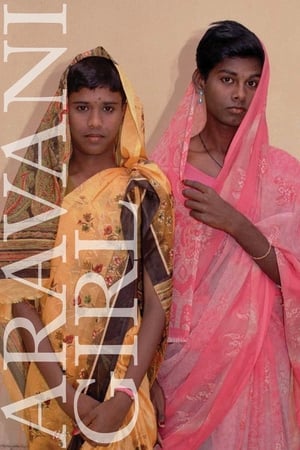
Sixteen year olds Palani and Karthik want to become "ladyboys." They're bullied in school and beaten by their families. Their parents would like to see them grow up as normal boys, but they're falling deeper and deeper into the world of the "Aravanis." Loved as dance performers but hated as homosexuals, their stories emblazon the inner conflicts of India's gender culture today.