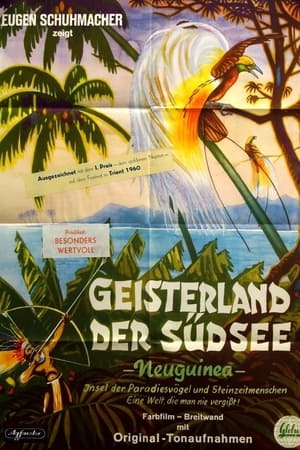
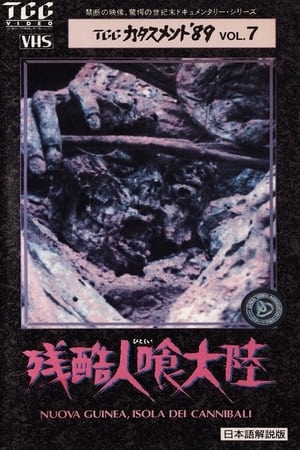
After opening scenes showing volcanoes of Java, an underground river, waterfalls, cloud effects, a coral island, the Ghost Rocks of Buru, and a tiger hunt in Siam, documentary footage of the cannibal tribes of New Guinea is framed by a fictional narrative in which the scientific expedition is shipwrecked along the southern New Guinea coast in the land of the Kia Kia headhunters, thus affording the crew the opportunity to film the tribal customs of these cannibals.
Set on the Upper Sepik River in New Guinea, this film records the day-to-day experiences of Kiap (one-man representative of the Australian government in regional areas) Barry Downes as he patrols an area that in 1963 had only recently been brought under control from headhunters. As well as being a record of the role of the colonial administration, Along the Sepik offers insights into some tribal communities' cultures through depictions of their spirit houses and traditional 'sing sing' ceremonies. Downes investigates a murder, and the culprit is caught and tried by a magistrate in a jungle courthouse under the Australian flag, on the edge of the Sepik River. Australian patrol officers and their men operated under rugged conditions to bring western law and order to this remote area. The film also portrays some of the impact the colonial government had on regional, traditional communities.
A historical epic that chronicles the Guineans’ long struggle against French colonialism and for their country’s independence.
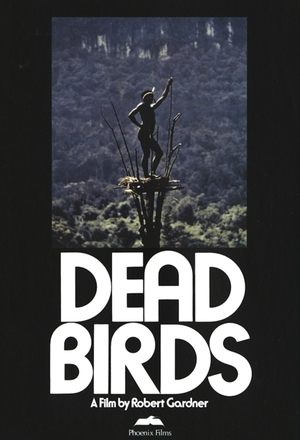
An ethnographic documentary documenting the ritual warfare cycle, social life, and belief systems of the Dani people of the Baliem Valley in western New Guinea.
A documentary that reveals the underbelly of the global aid and investment industry. It's a complex web of interests that span the earth from powerful nations and multinational corporations to tribal and village leaders. This documentary offers unique insights into a multi-billion dollar world by investigating how aid dollars are spent.
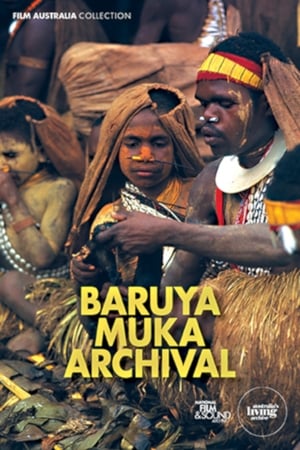
The western half of the island of New Guinea has been known by many names including Netherlands New Guinea, West Papua, Irian Jaya and Papua. It is an extraordinary place where snow-capped mountains drain into massive rivers and 250 languages are spoken. For centuries, the world has jostled for control of this rugged, isolated region, with its abundant natural resources and strategic position. Through eyewitness accounts and rare archival film, this fascinating documentary paints a picture that is intimate in detail but epic in scope. It is a sweeping saga of colonial ambitions, cold war sellouts and fervent nationalism, which highlights the role of players such as Australia and the UN at crucial points.
In his now well-known role of narrator of wildlife expeditions, Attenborough accompanies a government-sponsored trek into the central New Guinea highlands to make contact with a group of natives never before seen by Europeans.
"Papua New Guinea: Anthropology on Trial" was a 1983 episode of the PBS science documentary series NOVA. It explored the field of anthropology, particularly in the context of Papua New Guinea, from the perspective of the people being studied.
A report following the dramatic events of the Sandline affair, which resulted in the resignation of Papua New Guinea's Prime Minister, Sir Julius Chan.
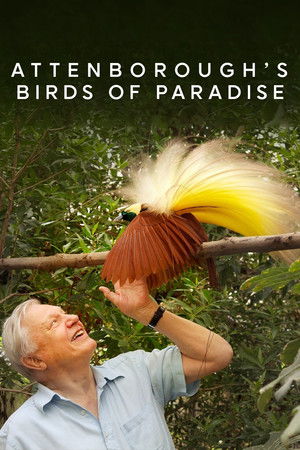
David Attenborough tells the remarkable story of how these " birds of paradise " have captivated explorers , naturalists, artists, filmmakers and even royalty.
John Waiko is the first Papua New Guinea man to graduate with a PhD and be appointed a professor. He returns to the Binandere clan and his small village of Tabara in the Northern Province of PNG. Once there, he has to organise a celebration for his achievements with his family’s help. Since he has been away for most of his life, he has no recognised wealth in the village (the pigs used for gift giving), nor a network of supporters or knowledge of the preparation and rituals for having such a celebration. He wants the event to happen quickly but that’s not the way it works in Tabara. Man without pigs focuses on the antagonism aroused by the clash between traditional customs and Western values in this remote PNG community.
The same submarine which successfully captured the world's first moving images of a giant squid in its natural habitat is used for exploring the deep sea cliffs off the coast of New Guinea. The team encounters true living fossil species one after another. Join this exciting deep sea adventure!
Living in the depths of the New Guinean Rainforest are birds of unimaginable colour and beauty. When Europeans first saw the plumes of these fabulous creatures they believed they must be from heaven and called them Birds of Paradise. David Attenborough introduces a team of New Guinean naturalists as they embark on a gruelling expedition to try and film ten birds of paradise deep in the heart of the rainforest.
Joe Leahy is the half-caste son of one of the first explorers of the Papua New Guinean interior. The documentary explores his relationship with the tribes that work his coffee plantation and explores what happens when the coffee market situation becomes more difficult.
The Trobriand Islands lie off the eastern tip of Papua New Guinea. The island society has a complex balance of male authority and female wealth. Magic spells and sorcery pervade everyday life. This programme focuses on two important events: the distribution of women's wealth after a death and the "month of play", a time of celebration following the yam harvest.
A documentary following famed explorer Lewis Cotlow traveling into the heart of New Guinea in search of unknown tribal cultures.
The Road to Home (2015), tells the story of Benny Wenda, the Nobel Peace Prize nominated West Papuan independence leader, in his ongoing struggle to free his people from Indonesian colonial rule. Since his dramatic escape from an Indonesian prison in 2002, where he was held in isolation and tortured as a political prisoner, Benny has been an unceasing crusader on the international scene, campaigning to bring about an end to the suffering of his people at the hands Indonesia's brutal colonial regime. Granted political asylum in the UK, Wenda's freedom of movement was restricted in 2011 when, at the behest of the Indonesian government, Interpol issued a 'red notice' putting him at extreme risk of extradition should he travel.
Lost Land of the Volcano is a three-part nature documentary series produced by the BBC Natural History Unit which follows a scientific expedition to the island of New Guinea. The expedition team, which includes specialist zoologists, explorers and the BBC crew, travels to the extinct volcano of Mount Bosavi in central Papua New Guinea to document the biodiversity of this little-visited area and search for new species. At the time of filming, logging was taking place about 20 miles (32 km) south from the volcano, and one of expedition's aims was to find evidence to support the case to protect the area. Some members of the expedition team travelled to the island of New Britain several hundred kilometres to the east to chart an unexplored cave system and observe an active volcano. The series was broadcast in September 2009 on BBC One in the United Kingdom in a three-part run. In the United States, it was broadcast the same month in seven parts on consecutive nights.
Recorded by pioneers as far back as 1805, the Tasmanian tiger has become an intensely mystifying Australian icon, whose entire existence has become the stuff of both fable and legend. This program investigates a chequered past and puts the speculation into perspective, taking into account the tragic culling and ‘bounty era’ where the carnivorous creatures were thought to be solely responsible for a considerable loss of farmers’ livestock. Balancing the facts with personal reflections from Tasmanian locals, scientists and other informed practitioners, The Tasmanian Tiger is a thought-provoking and revealing look at the extraordinary life and death of one of Australia’s most mysterious marsupials.
Mondo-style documentary in which a movie crew travels to newly independent Papua New Guinea to capture the customs and culture of the cannibal natives. Prepare yourself for death rituals, war costumery, crude tattoos, animal killings, and cannibalism.