Řecké děti
In search of the lucrative matsutake mushroom, two former soldiers discover the means to gradually heal their wounds of war. Roger, a self-described 'fall-down drunk' and sniper in Vietnam, and Kouy, a Cambodian refugee who fought the Khmer Rouge, bonded in the bustling tent-city known as Mushroom Camp, which pops up each autumn in the Oregon woods. Their friendship became an adoptive family; according to a Cambodian custom, if you lose your family like Kouy, you must rebuilt it anew. Now, however, this new family could be lost. Roger's health is declining and trauma flashbacks rack his mind; Kouy gently aids his family before the snow falls and the hunting season ends, signaling his time to leave.
More than 65 million people around the world have been forced from their homes to escape famine, climate change and war, the greatest displacement since World War II. Filmmaker Ai Weiwei examines the staggering scale of the refugee crisis and its profoundly personal human impact. Over the course of one year in 23 countries, Weiwei follows a chain of urgent human stories that stretch across the globe, including Afghanistan, France, Greece, Germany and Iraq.
An unclassifiable cross between documentary and fiction, Kipp takes the viewer through refugee camps bordering Soviet-occupied areas of Germany.
Documentary Film maker, Mark Brown, attempts to discover the damaging effect the over-spilling immigrant population has on the coastal city of Calais, France.
Forced to flee Bosnia when he was a child, Irvin returns to his homeland. In the same woods where thirty years earlier people took refuge, he decides to build a small village with his own hands. To restore dignity to this place and to the people who died in the war, to heal his wounds, and to fulfill his desire for redemption. But when he is on the River Drina, Irvin does not stop trying to discover what happened, and what could still happen.
Aïcha is 59. She's been through some hard times. She decided to turn to helping others. Seeing firsthand the government's lack of support, she tries in her own way to remedy the lack of care for refugees. She dedicates the majority of her time to helping refugees in the greater Paris area, first as part of the "Solidarité Migrants Wilson" organization operating in the suburbs north of Paris, then in the nonprofit she founded, "la Team du Coeur", with the help of one of her daughters, her son-in-law, a Sudanese refugee himself, and a friend. Together, they offer on-street support and enter refugee camps daily to talk, provide material support and a listening ear.
In the run-up to parliamentary elections in mid-October, Polish filmmaker Marcin Wierzchowski travelled across his country to gauge the atmosphere in a society that is more divided than ever.
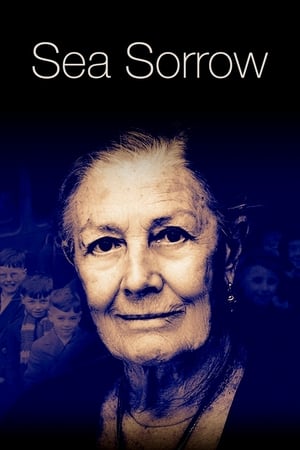
In the aftermath of war, an extraordinary professor brings hope to children haunted by trauma-induced nightmares.
Documentary about a "transportation commando" in Germany with the goal to deport 200 people to Albania...
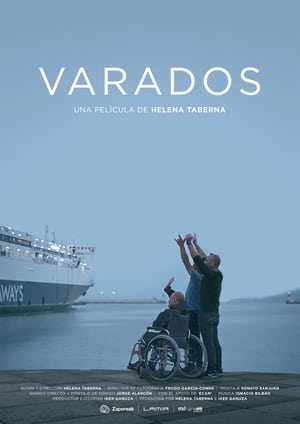
In the Mediterranean, the sea on which our civilization was founded, miles of refugees await Europe to welcome them. "Stranded" approaches the daily life of these long-term refugees, in occupied buildings or in refugee camps At the gates of Europe these people try to keep hope alive while they live.
Α quarter of the global population of school age lives in war zones or disaster areas. Fewer than one in four underage refugees attends secondary school. Only one in twenty enrolls for university. Less than two per cent of global humanitarian aid is spent on education. This is the story of four refugee children living in different countries, and a documentation of their daily struggle to obtain a formal education.
A very personal and dynamic meditation on the current global refugee crisis through the eyes and voices of campaigners, specially children, where past and present establish a dialogue. A reflection on the importance of human rights.
A nine-year-old Syrian refugee girl contemplates her increasingly bleak future after being forced to drop out of school in the midst of Lebanon’s unprecedented economic collapse and battle with Covid-19.
The story of the last months of the 20-year war in Afghanistan through the intimate relationship between American Green Berets and the Afghan officers they trained.
In the spring of 2010, Julian Assange published classified documents that shed a harsh light on the war crimes committed by the United States in Afghanistan and Iraq.
Three juxtaposing stories taking place in Portugal, Austria and Cuba create an intimate and poetic portrait of the daily lives and struggles of the elderly in an unstable world, seen through the eyes of their grandchildren.
As politicians debate and argue, the men, women and children at the heart of the European immigration wave have found themselves caught in the midst of a humanitarian crisis. On the frontline is the Greek island of Lesvos – the first point of entry into Europe for over half of the refugees. One week at the end of August 2015 marked a tipping point in the crisis. More refugees arrived than ever before, volunteers were inundated and local infrastructure just couldn’t cope; trains were overflowing, refugees were dying in the back of lorries and on beaches, and politicians responded by closing borders and arguing about how to stem the tide of people. Filmed over just five days, this first-hand account of that dramatic week on Lesvos is seen through the eyes of the refugees and volunteers caught in the crisis.
The documentary is a five country-based sequences featuring stories about conflict, migration and the experience of exile; Tibetan women refugees in Dharamshala, India, Syrian refugee family in Tunisia, evicted indigenous women in the Phlippines; Rohingya women in Haryana and Delhi, and Syrian women refugees in Canada.
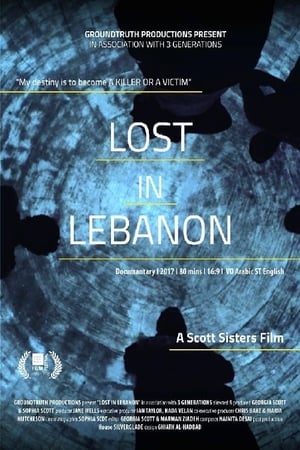
As the Syrian war continues to leave entire generations without education, health care, or a state, Lost in Lebanon closely follows four Syrians during their relocation process. The resilience of this Syrian community, which currently makes up one fifth of the population in Lebanon, is astoundingly clear as its members work hard to collaborate, share resources, and advocate for themselves in a new land. With the Syrian conflict continuing to push across borders, lives are becoming increasingly desperate due to the devastating consequences of new visa laws that the Lebanese government has implemented, leaving families at risk of arrest, detention, and deportation. Despite these obstacles, the film encourages us to look beyond the staggering statistics of displaced refugees and focus on the individuals themselves.