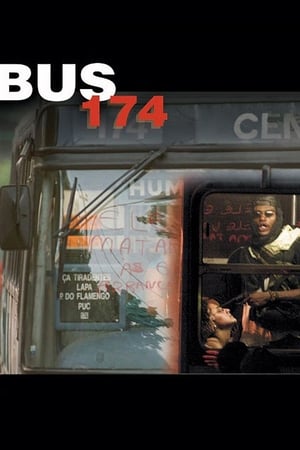
Documentary depicts what happened in Rio de Janeiro on June 12th 2000, when bus 174 was taken by an armed young man, threatening to shoot all the passengers. Transmitted live on all Brazilian TV networks, this shocking and tragic-ending event became one of violence's most shocking portraits, and one of the scariest examples of police incompetence and abuse in recent years.
After Dontre Hamilton, a black, unarmed man diagnosed with schizophrenia, was shot 14 times and killed by police in Milwaukee, his family embarks on a quest for answers, justice and reform as the investigation unfolds.
1995. On the outskirts of Abidjan, the largest city in Ivory Coast, a policeman is murdered. Shot outside his vehicle, while his fiancée sits in the car, terrified. Superintendent Kouassi is the detective in charge of the investigation. Tall and lanky, he moves with the tired energy of a man who has seen it all. Drawing on a network of underworld characters with dubious information, Kouassi’s team begins bringing in potential suspects and subjecting them to horrific brutality: beating them with sticks, hanging them upside-down, threatening their lives. Some of the men are left so broken they have to literally drag themselves into Kouassi’s office later, to be interrogated while lying on the floor, their bodies a mess of bruises, broken bones, and lacerations.
As the first part of our investigation, the CORONA.FILM prologue will delve into the science behind the pandemic. Starting at the very beginning, we shine a light on the responses. The aim is not to point the finger; our aim is to tell the whole story in all its complexity, as we believe that justice cannot prevail if only one side of the story is told.
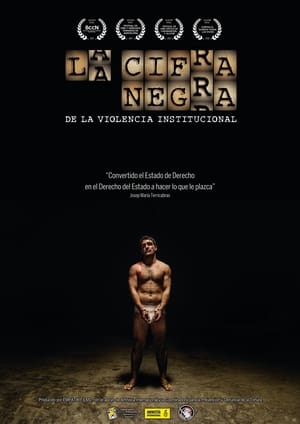
The most crude and atrocious institutional violence of the Spanish State hides behind a true dark figure, an abyss into which this documentary peers through 30 firsthand accounts.
This film from Bill Moyers is the first documentary to focus exclusively on people formerly detained in New York City’s notorious Rikers Island Jail. They tell their compelling stories direct to the camera, revealing the violent arc of the Rikers experience – from the trauma of entry to extortion and control by inmates, to oppressive corrections officers, violence and solitary confinement.
In a country that prides itself on democracy, a group of activists, known for chalking messages and holding signs, faces a terrifying escalation: repression so severe that their right to speak freely becomes their last, desperate stand.
Behind the gas masks of Hong Kong’s democracy movement, the often very young activists are just as diverse as the youths of the rest of the world. But they share a demand for democracy and freedom. They have the will and the courage to fight – and they can see that things are going in the wrong direction in the small island city, which officially has autonomy under China but is now tightening its grip and demanding that ‘troublemakers’ be put away or silenced. Amid the violent protests, we meet a 21-year-old student, a teenage couple and a new father.
Fútbol Violencia S.A.
1989, New York City's Alphabet City and East Village. A year after the Tompkins Square Park Riot, squatters and their community allies try to stop the demolition of their building after an arson. Police forces occupy the neighborhood while the demolition continues. A portrait of an East Village that is no more. An homage to the voices and sounds of a neighborhood before its gentrification.
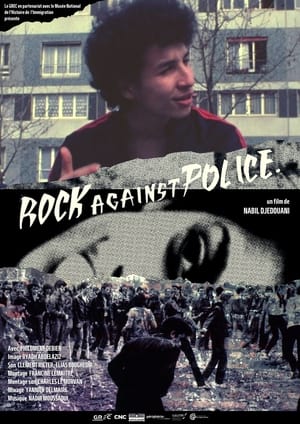
February 1980, young Abdelkader Lareiche was shot in the head by a building guard in a housing estate in Vitry. In a context marked by several racist crimes and a policy of security repression, his friends are mobilizing around the “Rock Against Police” movement. Forty years after the events, Philomène sets out to meet the activists and actors of this movement. “Memory is not commemoration, it is the living part of History” confides Mounsi about the massacre of October 17, 1961. This is the heart of Nabil Djedouani’s project, to restore a moment in a living way. of the militant history of the suburbs, registered here in the Rock Against Police movement, but which cannot be restricted to it. A thread stretched from the 1980s to today, which continues to “analyze the collective and murderous unconscious of the French State” and the ways of resisting and revolting.
Vitoria, marzo de 1976
As one of Belgrade’s last DIY anti-nationalist spaces faces closure, its community gathers for a final night — a farewell that becomes a quiet act of resistance.
Preschool to Prison is a compelling examination of how the United States public school system is built and operated like prisons. Zero-tolerance policies are used to justify suspension and arrests that set up a pathway to send children of color and children with special needs from school to prison. Children are being suspended, restrained, dragged, physically manhandled, and subsequently arrested for minor offenses such as throwing candy on a school bus. These personal accounts from people affected by the school-to-prison pipeline give riveting tales about the generational impact on society.
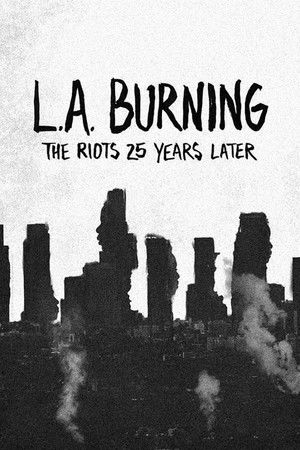
An in-depth and provocative look at the 1992 Los Angeles riots exploring the roots of civil unrest in California and the relationship between African Americans and LAPD.
The world watched in horror as the NYPD was put on trial for the shooting of Sean Bell and Amadou Diallo. The chants of "no justice," "no peace" were heard around the world, but in the end was justice served? In this sequel to IF I DIE TONIGHT, the story continues and follows the next seven years of this case of police brutality. It presents both sides in an effort to find the truth after the culminating trials. This riveting documentary continues to ask the question, "how far has our country actually come?" Features Al Sharpen, Rudy Giuliani, and Eliot Spitzer.
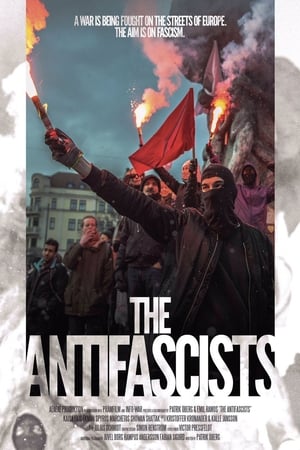
A low-intensity war is being fought on the streets of Europe and the aim is on fascism. This critically acclaimed documentary takes us behind the masks of the militants called antifascists. In 2013 a group of armed nazis attacks a peaceful demonstration in Stockholm where several people are injured. In Greece the neo-nazi party Golden Dawn becomes the third largest in the election and in Malmö the activist Showan Shattak and his friends are attacked by a group of nazis with knives and he ends up in a coma. In this portrait of the antifascists in Greece and Sweden we get to meet key figures that explain their view on their radical politics but also to question the level their own violence and militancy.
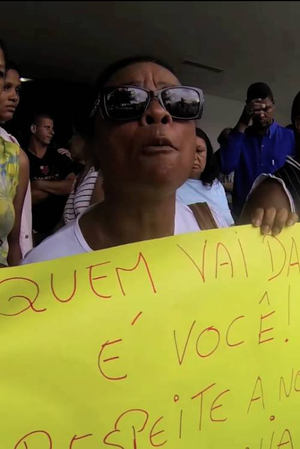
On April 26, 2014 Douglas Pereira, a dancer, was killed by the police. The film documents the protests following his death.
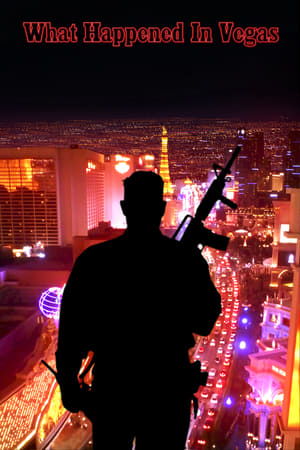
Ramsey Denison investigates a terrifying pattern of police corruption and discovers that behind the shimmering surface of Las Vegas lies a police department with individuals willing to go to any lengths to cover up crimes.
Hundreds of thousands − perhaps even millions − of protestors have taken to the streets of Hong Kong since early June. Sparked initially by the government's plans for a controversial extradition bill, the movement has now transformed into a broader push for greater freedoms and democracy, with anger over police brutality fuelling a cycle of violence. The protests are Hong Kong's biggest challenge to Beijing since its return to China in 1997. If We Burn looks at the movement through the eyes of Hong Kongers whose fates, like their city's future, now hang in the balance.