Behind-the-scenes tales of the British monarchy's residences, with contributions by royal commentators and ex-staff members, who give the lowdown on the stories that have shaped the modern royal family.
Historian Dr Helen Castor explores the lives of seven English queens who challenged male power, the fierce reactions they provoked and whether the term 'she-wolves' was deserved.
The real relationship between the royal siblings.
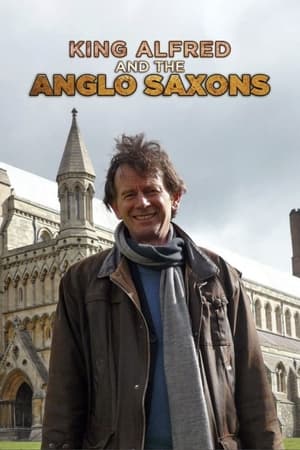
Michael Wood argues that the most important and influential British kings were a father, son and grandson who lived over a thousand years ago during the age of the Vikings.
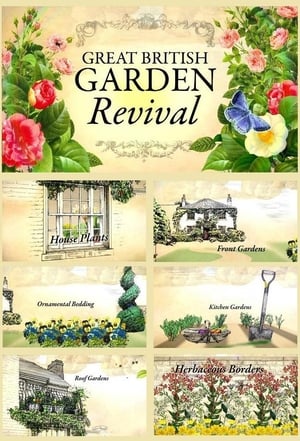
Britain’s rich horticultural history is being lost. More and more front and back gardens are paved over - for development, for parking spaces, or because families don’t have the time or inclination to manage these spaces. The trend for easy-to-maintain lawns, patios and paving has also led to a decline in traditional gardens full of flowers, plants and trees to the extent that some of our most iconic flora and fauna have all but disappeared. Step forward the BBC’s most-loved gardening experts, who are determined to turn us back into a green-fingered nation once again.
The BBC’s Platinum Jubilee coverage 2022 including: The Queen’s Birthday Parade Trooping the Colour, A Service of Thanksgiving, Party at the Palace and Platinum Jubilee Pageant
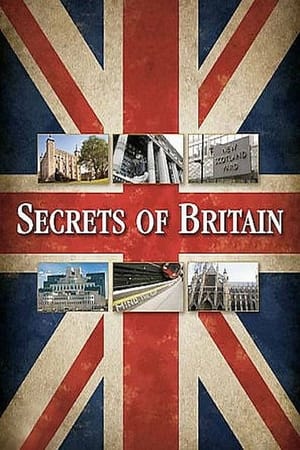
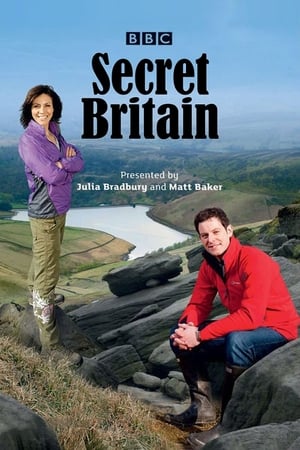
The enormous popularity of recent British dramas such as Downton Abbey, Mr. Selfridge, and Sherlock, has led to vast interest in the real-life stories and history of the icons of Great Britain. Each episode of this series visits a famous British building or institution to explore its past and present, meeting a wide range of experts and historians along the way.
In a unique experiment, five teachers from China take over the education of fifty teenagers in a Hampshire school to see whether the high-ranking Chinese education system can teach us a lesson.
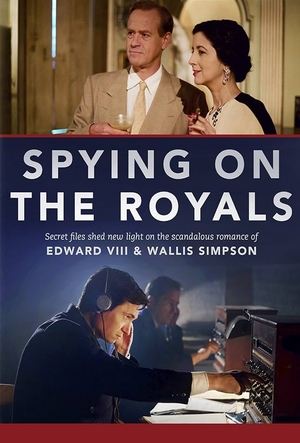
This 2-part documentary series reveals the truth about King Edward VIII's affair with American divorcée Wallis Simpson, and the espionage operation that accompanied the investigation.
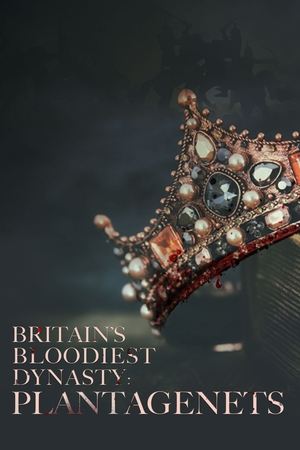
Acclaimed historian Dan Jones tells the story of the dynasty who ruled England and much of France during the Middle Ages. More shocking, brutal and exhilarating than Game of Thrones, these events actually happened.
A politically charged mini-series researched and written by Duncan Campbell which saw dramatic Special Branch raids on BBC Scotland. An entire production office was loaded into transit vans and confiscated by the police. + One: 'The Secret Constitution' about secret Cabinet committees that amount to a secret decision making system at the highest levels of power in the United Kingdom. + Two: 'In Time of Crisis' about secret preparations for war that began in 1982 within every NATO country. This programme revealed what Britain would do. + Three: 'A Gap In Our Defences' about bungling defence manufacturers and incompetent military planners who have botched every new radar system that Britain has installed since World War II. + Four: 'We're All Data Now' about the Data Protection Act. + Five: 'Association of Chief Police Officers' and how Government policy and actions are determined in the fields of law and order. + Six: 'Communications' with particular reference to Zircon spy satellites ...
Lucy Worsley, chief curator at Historic Royal Palaces, explores how the physical and mental health of our past monarchs has shaped the history of the nation.
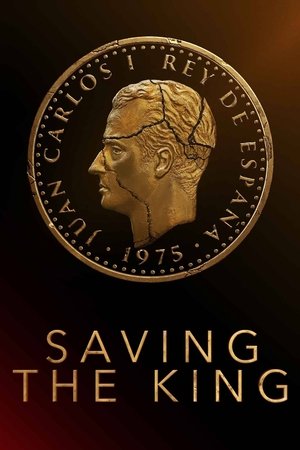
A story of spies and silent pacts, this fascinating docuseries, told in first person by witnesses and experts, exposes how the machinery of the state is keen to protect the former King of Spain, Juan Carlos I, and conceal his scandals.
Princess Diana was an icon who both captured and transformed the spirit of the times. Following how this thoroughly modern princess emerged from the bra-burning spirit of the 1970s and helped transform not just the Royal Family, but Britain itself.
The Queen was a 2009 British drama-documentary showing Queen Elizabeth II at different points during her life. Broadcast on Channel 4 over five consecutive nights from 29 November 2009, the Queen was portrayed by a different actress in each episode. The Queen was portrayed by Emilia Fox, Samantha Bond, Susan Jameson, Barbara Flynn and Diana Quick. Katie McGrath played Princess Margaret in the first episode and Lesley Manville played Margaret Thatcher in the third episode. The series was co-funded by the American Broadcasting Company, the network which aired the series in the US. This reunited Emilia Fox and Katie McGrath who had played sisters in BBC One's Merlin.
Since her glittering coronation, Queen Elizabeth II has become one of the most powerful and respected leaders on Earth and has been on the British throne for 67 years. Historians, royal insiders and the wider family provide fresh insight into who the Queen and her family really are, and how they have navigated the sometimes-turbulent seven decades of her record-breaking reign.
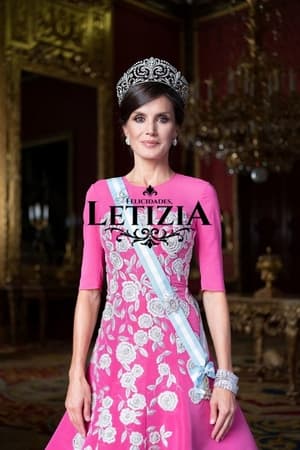
Felicidades, Letizia
Following the men and women who work around the clock on Britain's longest and most iconic road, ensuring the traffic keeps moving and the public is kept safe.
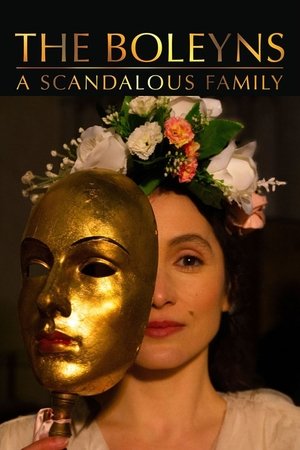
Part documentary, part historical drama, this series follows the fortunes of the different members of the Boleyn family, ultimately made notorious for daughter Anne’s marriage to Henry VIII and execution.
Stretching from the Stone Age to the year 2000, Simon Schama's Complete History of Britain does not pretend to be a definitive chronicle of the turbulent events which buffeted and shaped the British Isles. What Schama does do, however, is tell the story in vivid and gripping narrative terms, free of the fustiness of traditional academe, personalising key historical events by examining the major characters at the centre of them. Not all historians would approve of the history depicted here as shaped principally by the actions of great men and women rather than by more abstract developments, but Schama's way of telling it is a good deal more enthralling as a result. Schama successfully gives lie to the idea that the history of Britain has been moderate and temperate, passing down the generations as stately as a galleon, taking on board sensible ideas but steering clear of sillier, revolutionary ones. Nonsense. Schama retells British history the way it was--as bloody, convulsive, precarious, hot-blooded and several times within an inch of haring off onto an entirely different course. Schama seems almost to delight in the goriness of history. Themes returned to repeatedly include the wars between the Scots and the Irish and the Catholic/Protestant conflicts--only the Irish question remains unresolved by the new millennium. As Britain becomes a constitutional monarchy, Schama talks less of Kings and Queens but of poets and idea-makers like Orwell. Still, with his pungent, direct manner and against an evocative visual and aural backdrop, Schama makes history seem as though it happened yesterday, the bloodstains not yet dry.