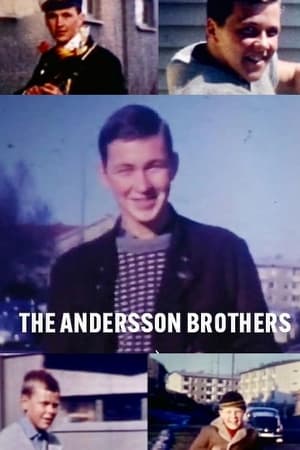
A tender portrayal of four stubborn brothers becomes a touching contemporary Swedish family chronicle about dreams, class, heritage, and the difficulty of connection. The Andersson brothers grew up in a working-class home in Gothenburg. Roy became an internationally acclaimed filmmaker while Ronny ended up as a homeless man. Kjell became a documentary filmmaker, and Leif lives as a disability pensioner.
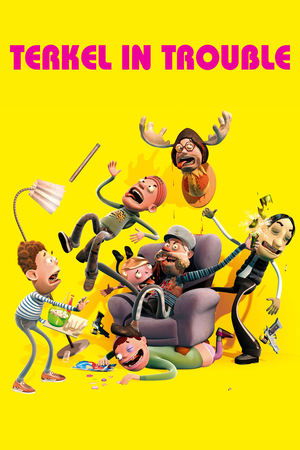
6th-grader Terkel begins experiencing a streak of bad luck after sitting on a black spider. His teacher dies and is replaced by the strange Justin. At home, Terkel's Uncle Stewart erupts in sporadic fits of rage, and at school Terkel is bullied by two boys after they learn that fat Doris likes him. On a school camping trip, Terkel begins receiving death threats and must figure out who wants to kill him.
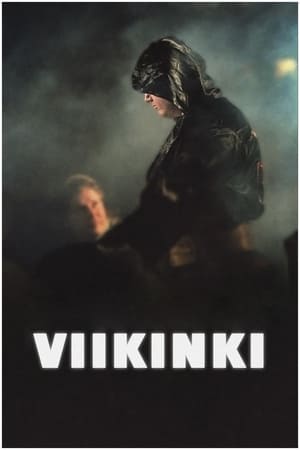
Documentary film about Tony Halme, masculinity and populism. The film follows how Tony Halme created a mythical, highly masculine freestyle wrestling character, The Viking, who gained fame both in the ring and in the public eye and eventually became captivated by it. With his brash speeches, Halme fired the starting shot for the rise of the Finns Party. The voice of a forgotten section of the population, a protest against the ruling elite, were the building blocks of Halme's popularity. Halme's great popularity has served as a good example of a populist figure, admired within the deep ranks of the nation, who comes from outside the political elite and changes the direction of politics. Also, despite - or perhaps because of - his openly racist statements, he was part of changing the political climate in Finland to a more acrimonious one.
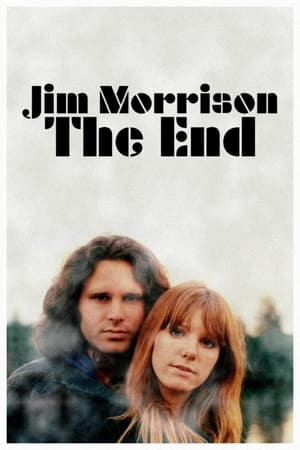
Paris, Rue Beautreillis, July 3, 1971. The corpse of rock star Jim Morrison is found in a bathtub, in the apartment of his girlfriend Pamela Courson. The chronicle of the last months of the life of the poet, singer and charismatic leader of the American band The Doors, one of the most influential in the history of rock.
Bold & candid, One Little Pill will reveal to the world a startling pharmaceutical discovery & assault the skepticism & denial perpetuating alcohol dependence.
Chronicles the fascinating and often turbulent life of Townes Van Zandt.
A look at the personal life of the Arsenal and England player
A newspaper clip of a 30-year-old movie makes our middle-aged protagonist in the middle of his peak years to look for his best childhood friend. The journey leads him back to his teenage years in the 1990s depression, over-generational substance abuse and past encounters. This partly essayistic, autobiographical documentary tells the story of friendship and generational experiences while also pondering on the causes and effects of destinies in the judgmental atmosphere of our society.
The life and work of the enigmatic singer-songwriter Harry Nilsson.
Alcool au féminin, elles brisent le tabou
With a loving gaze and shaking hand the now adult Kathrine reenters her father's deeply alcoholic world.
Dompter son dragon
Hi, My Name is Dicky is a sports documentary about hockey player Richard Clune, and his struggle with substance use disorder while playing in the National Hockey League (NHL). The story begins in Toronto, where we learn about his typical Canadian childhood, then moves onto his teenage experience with the Ontario Hockey League’s (OHL) Sarnia Sting. During his time in the OHL, Rich developed a crippling addiction to drugs and alcohol, which threatened to derail both his personal life and professional career. Shortly after debuting in the NHL with the Los Angeles Kings, Rich made the choice to get sober, embarking on a wild journey to the rehab clinic back home in Canada, from his brother's dormitory in Worcester, Massachusetts. Sober for over ten years, the viewer learns how Rich leads a fascinating life off the ice, and has become a mentor to many players in the NHL, now in the twilight of his career playing for his hometown Toronto Maple Leafs.
David Vandenbrink seems like a healthy 21-year-old, bright and articulate young man. There is little to suggest that while in his mother's womb, he suffered permanent brain damage. His condition, fetal alcohol syndrome (F.A.S.), went undiagnosed for the first 18 years of his life, causing confusion, anger, and pain for both David and his non-Indigenous adoptive family. Fetal alcohol syndrome is a term used to describe a set of symptoms seen in some children born to women who drank alcohol during pregnancy. The damage can be subtle or severe, resulting in a wide range of symptoms in the areas of slowed growth, disfigurement, and damage to the brain. Associated behavioural problems include impulsiveness, poor judgment, and an inability to grasp the consequences of actions. This personal story, using video footage shot by David himself, along with the experiences of members of his family, is a hard look into the serious consequences of a little-known, but widespread, health problem.
Carol Morley returns to Manchester, where in the early 1980s, five years of her life were lost in an alcoholic blur. The Alcohol Years is a poetic retrieval of that time, in which rediscovered friends and acquaintances recount tales of her drunken and promiscuous behavior. In Morley’s search for her lost self, conflicting memories and viewpoints weave in and out, revealing a portrait of the city, its pop culture, and the people who lived it.
A feature length, theatrical documentary on the life of Paul Gascoigne, one of the greatest footballers that ever lived: delving deep into his psyche, vulnerabilities, fears and triumphs.
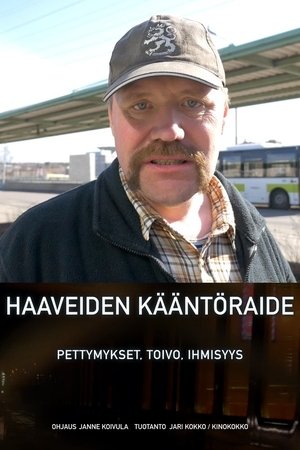
A rough but beautiful documentary film about the crisis of a man in his forties and his desire for a better life; its a story of parenthood, alcohol, Finnish man and his desire for love. It is also an unusually intimate depiction of the relationship between the father and his son. Despite the seriousness of the topic the film includes black humor and situational comedy
This documentary follows the lives of the Bowling family as they fight to survive in dirt-poor Appalachia. Matriarch Iree has given birth to 13 children, but only two have left to seek better lives in Ohio while the rest have married and started their own impoverished families near home. Uneducated and unskilled, all are unemployed, and domestic violence and alcoholism pose serious problems. The filmmakers explore the family's relationships through interviews and footage of their daily lives.
The degenerate alcoholics, the men and women of the beaches, themselves speak openly about their lives and problems. Through their stories, a picture emerges of those on the periphery of society who succumbed to alcohol because of war or difficult living conditions. They are aware of their own State; reason is still there, but the Will is lacking. The film is a cry for help on behalf of humans, it is a dispassionate and honest description of the position of degenerate alcoholics in Finnish society in the early 1970s.
One of several films by the Hoffman-Skórzewski duo, made as part of the "black series" of Polish documentaries showing social problems hidden from viewers behind the façade of socialist realist productions until the mid-1950s. The subject of the film are the effects of alcoholism, whose innocent victims are children.