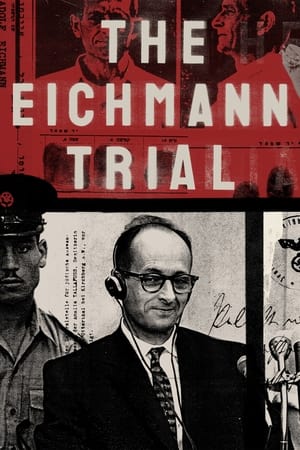
In 1961, history was on trial... in a trial that made history. Just 15 years after the end of WWII, the Holocaust had been largely forgotten. That changed with the capture of Adolf Eichmann, a former Nazi officer hiding in Argentina. Through rarely-seen archival footage, The Eichmann Trial documents one of the most shocking trials ever recorded, and the birth of Holocaust awareness and education.
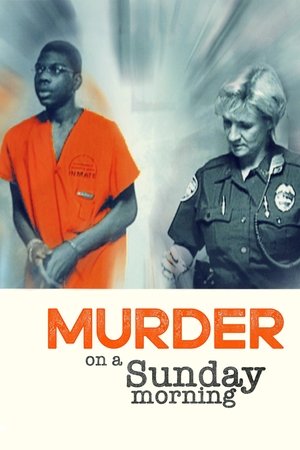
2001 French documentary about the murder trial of a 15 year old black teen accused of murder in Jacksonville, Florida. Winner of 2002 Academy Award for Best Documentary.
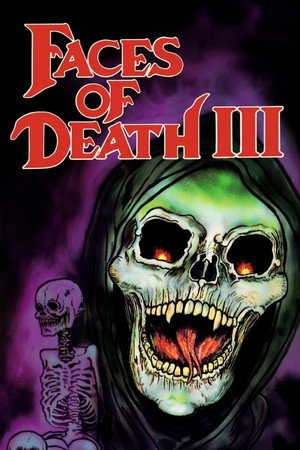
The third installment of the infamous "is it real or fake?" mondo series sets its sights primarily on serial killers, with lengthy reenactments of police investigations of bodies being found in dumpsters, and a staged courtroom sequence.
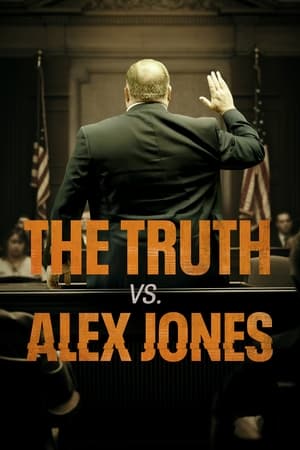
Filmed over four years with unprecedented access, this documentary chronicles the riveting courtroom drama of two defamation lawsuits brought by Sandy Hook Elementary School shooting victims' families against Alex Jones and his website, InfoWars.
LAW & ORDER surveys the wide range of work the police are asked to perform: enforcing the law, maintaining order, and providing general social services. The incidents shown illustrate how training, community expectations, socio-economic status of the subject, the threat of violence, and discretion affect police behavior.
A look at the local court system in Campbelltown, NSW.
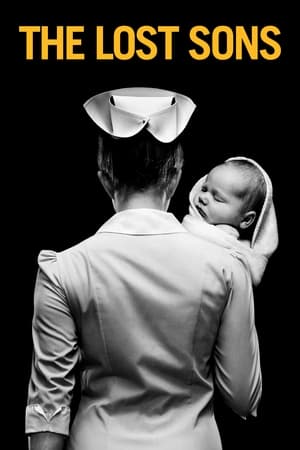
1960s Chicago, a baby is kidnapped from a hospital. Fifteen months later, a toddler is abandoned. Could he be the same baby? In a tale of breathtaking twists and turns, two mysteries begin to unravel and dark family secrets are revealed.
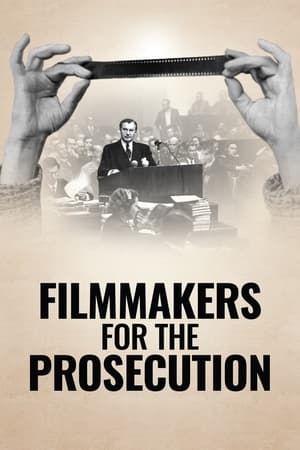
In 1945, two young American soldiers, brothers Budd and Stuart Schulberg, are commissioned to collect filmed and recorded evidence of the horrors committed by the infamous Third Reich in order to prove Nazi war crimes during the Nuremberg trials (1945-46). The story of the making of Nuremberg: Its Lesson for Today, a paramount historic documentary, released in 1948.
A 60th anniversary retrospective documentary on the influence and context of the 1962 film, To Kill a Mockingbird.
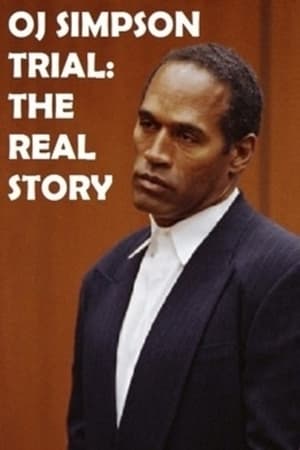
This trial of the century was the first nationally televised TRUE LIFE soap opera, a tangle of salacious plotlines. OJ SIMPSON TRIAL: THE REAL STORY reveals the true story behind the trial of O.J. Simpson the most highly publicized American criminal trial, ever. The documentary relies on contemporaneous archival material alone to illustrate the course of events. Without the interruption of modern interviews to provide hindsight, the storytelling triggers the same raw emotion and real-time perspective as when the events transpired all those years ago.
Part of BBC Arena's Animal Night, this film chronicles a strange era in history when animals were put on trial in human courts.
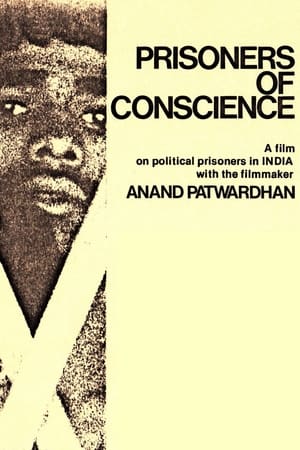
An early Patwardhan documentary completed in 1978, Prisoners of Conscience focuses on the state of emergency imposed by Indira Ghandi from June 1975 through March 1977. During this time over 100,000 people were arrested without charge and imprisoned without trial. They were released only by the government that replaced Ghandi's. The film also shows that political prisoners existed in India before the state of emergency and continued after the new government was elected.
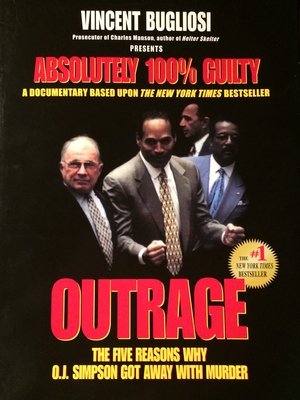
Relive moments from the case with analysis from top experts. Never Before Seen Footage, Evidence, and Interviews. Mock Trial on how it should've been done. If you like court television or crime dramas, you'll enjoy Absolutely 100% Guilty. It is the Trial of the Century.
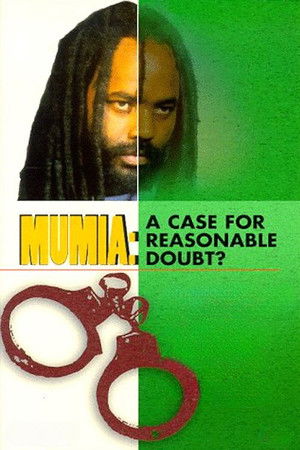
Documentary covering the case of Mumia Abu-Jamal, a black nationalist and journalist in Philadelphia, Pennsylvania, convicted of killing a Philadelphia police officer and sentenced to death in a trial marked by controversial prosecutorial and defense tactics and charges of racism.
Thirty years on from the trial that shocked the world, new documents reveals what happened in the courtroom hearing from the lawyers, jurors and witnesses who were there.
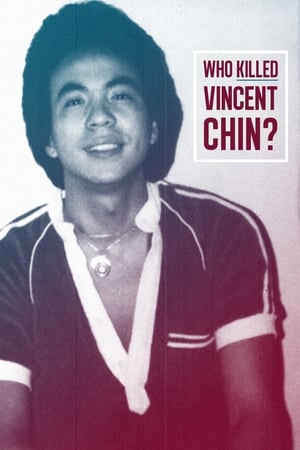
This film recounts the murder of Vincent Chin, an automotive engineer mistaken as Japanese who was slain by an assembly line worker who blamed him for the competition by the Japanese auto makers that were threatening his job. It then recounts how that murderer escaped justice in the court system. Restored by the Academy Film Archive and The Film Foundation, in association with the Museum of Chinese in America. Restoration funding provided by the Hobson/Lucas Family Foundation, with additional support provided by Todd Phillips.
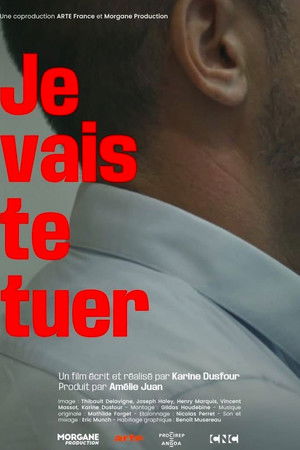
This documentary offers a rare look at domestic abuse through the concept of coercive control. With exceptional access to hearings in Poitiers, Colmar, and Paris, Karine Dusfour captures the first French trials to address this form of psychological violence. The film shows how coercive control traps partners through constant monitoring, a hidden terror affecting hundreds of thousands of women and children in France.
Anthropologist Laura Nader's first field trip to a Zapotec Indian village in Oaxaca, Mexico, in the late 1950s, led her to study problem-solving in the local courts. There, "little injustices" were the meat of everyday courtroom life.
While a diamond advocate attempts to steal a collection of diamonds, troubles arise when he realises he’s not the only one after the collection.
Once upon a time, a poor woodcutter and his wife lived in a great forest. Cold, hunger, poverty, and a war raging all around them meant their lives were very hard. One day, the woodcutter's wife rescues a baby. A baby girl thrown from one of the many trains that constantly pass through the forest. This baby, this "most precious of cargoes", will transform the lives of the poor woodcutter's wife and her husband, as well as those whose paths the child will cross—including the man who threw her from the train. And some will try to protect her, whatever the cost. Their story will reveal the worst and the best in the hearts of men.