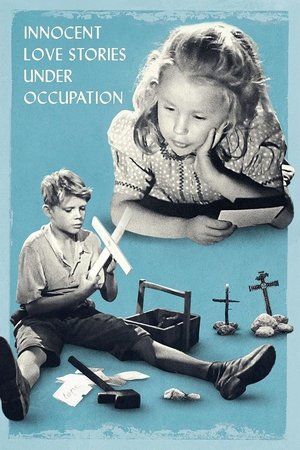
Interview-based documentary looking back on the making and reception of René Clément's 1952 film "Forbidden Games."
Tvář a maska
A deep dive documentary into the history of "Who Framed Roger Rabbit" from the original version that was cancelled to the production problems of the one that came to be and the fascinating production stories of one of the most ambitious films ever made.
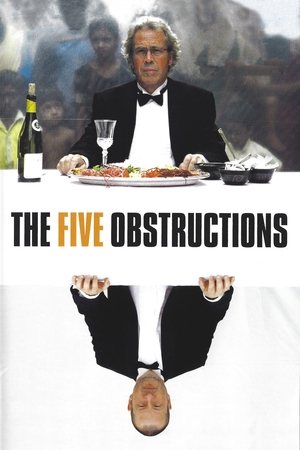
In 1967, experimental filmmaker Jorgen Leth created a striking short film, The Perfect Human, starring a man and women sitting in a box while a narrator poses questions about their relationship and humanity. Years later, Danish director Lars von Trier made a deal with Leth to remake his film five times, each under a different set of circumstances and with von Trier's strictly prescribed rules. As Leth completes each challenge, von Trier creates increasingly further elaborate stipulations.
A promotional documentary short celebrating the 20th anniversary of Paramount Pictures, complete with a studio history, interviews with stars, and clips from upcoming films–some of which never came to fruition.
Portrait of director Roberto Rossellini and his films.
The Invisible Subtitler is an independent documentary about the use of subtitles in cinema and the life of subtitlers themselves, focusing on the economic issues faced by the subtitlers and how they are currently invisible in the globalized business of the film industry.
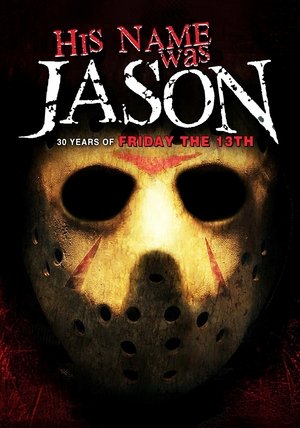
A retrospective documentary about the groundbreaking horror series, Friday the 13th, featuring interviews with cast and crew from the twelve films spanning 3 decades.
Witness never-before-seen footage of the Warren Miller film crew and athletes as they take on the world's most exotic mountains, treacherous terrain and red-hot ski resorts. Listen as they share their untold stories acres-ski. The only way to get closer to the action is to be on skis.
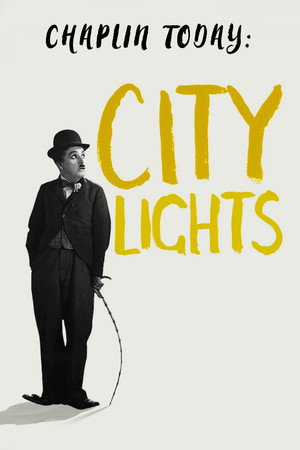
In 1928, as the talkies threw the film industry and film language into turmoil, Chaplin decided that his Tramp character would not be heard. City Lights would not be a talking picture, but it would have a soundtrack. Chaplin personally composed a musical score and sound effects for the picture. With Peter Lord, the famous co-creator of Chicken Run and Wallace & Gromit, we see how Chaplin became the king of slapstick comedy and the superstar of the movies.
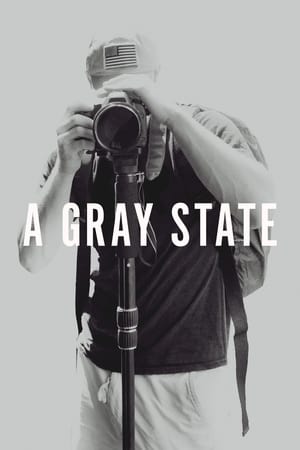
In 2010 David Crowley, an Iraq veteran, aspiring filmmaker and charismatic up-and-coming voice in fringe politics, began production on his film Gray State. Set in a dystopian near-future where civil liberties are trampled by an unrestrained federal government, the film’s crowd funded trailer was enthusiastically received by the burgeoning online community of libertarians, Tea Party activists and members of the nascent alt-right. In January of 2015, Crowley was found dead with his family in their suburban Minnesota home. Their shocking deaths quickly become a cause célèbre for conspiracy theorists who speculate that Crowley was assassinated by a shadowy government concerned about a film and filmmaker that was getting too close to the truth about their aims.
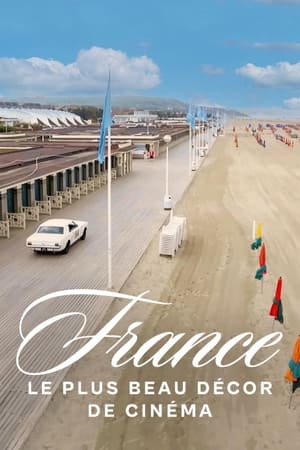
France, le plus beau décor de cinéma
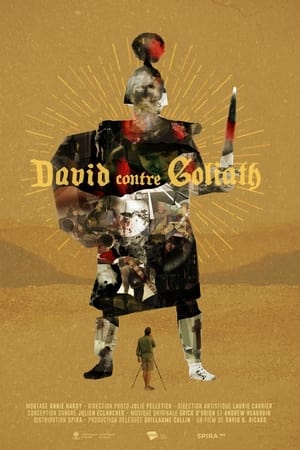
Haunted by three unfinished films, a filmmaker seeks to demystify his relationship with failure through encounters with past collaborators.
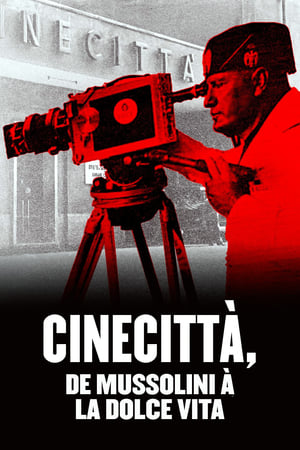
Cinecitta is today known as the center of the Italian film industry. But there is a dark past. The film city was solemnly inaugurated in 1937 by Mussolini. Here, propaganda films would be produced to strengthen the dictator's position.
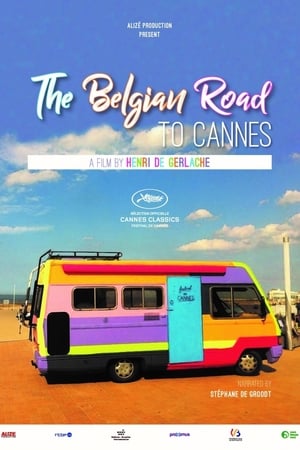
A cheerful road movie all about Belgian films at Cannes over the past 70 years. Filmmakers from the past converse with those from the present to paint the portrait of a cinema that is both diverse and free. An account of Belgium’s participation in the greatest film festival in the world.
Tells the story of Tucson and the legendary movies that were shot there.
Author Lee Clark Mitchell discusses the Western genre and literature.
Interview with critic Molly Haskell about Hawks and Red River
Interview with filmmaker Peter Bogdanovich about Red River and the two versions of the film.
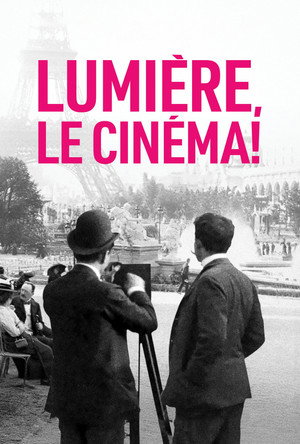
In one of those wonderful coincidences of history, lumière, the French word for “light,” was also the last name of brothers Auguste and Louis, whose brilliant invention, the cinematograph, helped to inaugurate the most beloved art form of the last 130 years. Institute Lumière director Thierry Frémaux uses Lumière, Le Cinema! to guide the viewer through over a hundred shorts—some famous, some forgotten, some never before seen—directed by Lumière and company. In the process, Frémaux illuminates how the brothers employed the camera as a creative instrument as they (and their operators) mastered framing, staging, and subject selection for quotidian and exotic microdocumentaries as well as the first ever fictional motion pictures. The result is not only a glorious re(telling) of the genesis of cinema but a profound meditation on the beautiful world captured—and the mysterious world imagined—by the Lumières.