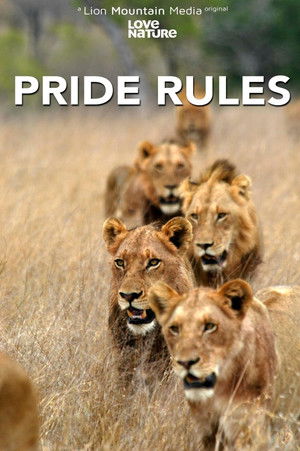
The wild terrain of South Africa’s Timbavati reserve is the backdrop to this epic trilogy. Over a two year period, filmmakers follow the everyday struggle for survival of an old lion king at the end of his prime and three aggressive lion brothers ready to fight for his pride
Stephen Tompkinson and hot air balloon pilot Robin Batchelor embark on the journey of a lifetime across the African continent. They experience the amazing abundance and diversity of wildlife and explore the relationship between Africa's game and its people.
Explorer and filmmaker Reza Pakravan has set off on an epic journey along Africa's most volatile and dangerous borders to discover the lives of those who live there.
Mobutu, roi du Zaïre
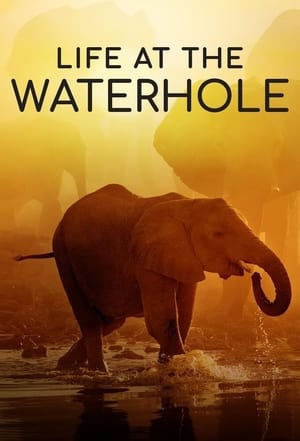
Explore the daily drama as African wildlife flock to a manmade waterhole rigged with cameras. Dr. M. Sanjayan and his team uncover the complex dynamic of this bustling oasis where elephants, lions, leopards and more meet and compete for water.
The Earth’s continents are instantly recognizable. These iconic landmasses seem permanent and unchanging, yet they are merely the wreckage of a much larger long-lost supercontinent – Pangaea. In this stunning four part series Professor Iain Stewart uncovers the evidence for this ancient past. He reveals how the world around us is full of clues – in the rocks, the landscapes and even the animals. All of which tell us how the land we live on was created.
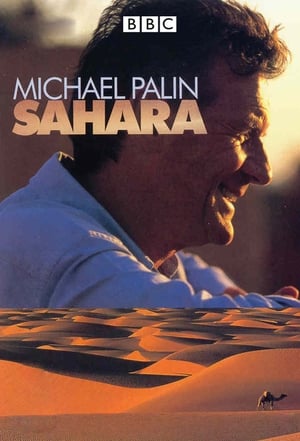
In this four-part BBC documentary, former Monty Python funnyman and renowned globe-trotter Michael Palin sets off from Gibraltar to travel across the Sahara, his witty humor downplaying the hardships he faces along the arduous journey. He travels to Morocco, Mauritania, Mali and beyond, across some of the harshest terrain on the planet.
Afrique, les arbres de la vie
Kouzlo Afriky
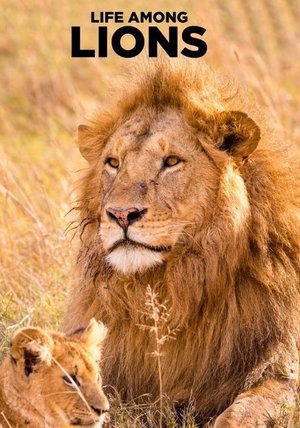
A story of the daily lives and struggles of five young lions in the Black Rock region of Kenya’s Masai Mara reserve. Born in 2017, the lions were given names by the Masai people to suit their personalities: Olumina, the lame one, is the most sexually active but has difficulty walking. Olosiadu, the stay-behind, is cautious and often isolates himself. Lorkulup, the tag-along, has a permanent runny nose that hinders him from hunting with his brothers. Orpadan, the hunter, is always in the lead and first to their prey. Oloborr, the sister-killer, is the strongest male and the boss of the group
Written and narrated by Dr. Ali Mazrui in the early 1980s and jointly produced by the BBC and PBS (WETA, Washington) in association with the Nigerian Television Authority. Africa's triple heritage, as envisioned by Mazrui is a product resulting from three major influences: (1) an indigenous heritage borne out of time and climate change; (2) the heritage of eurocentric capitalism forced on Africans by European colonialism; and (3) the spread of Islam by both jihad and evangelism. The negative effects of this history have yet to be addressed by independent African leaders, while the West has tended to regard Africa as recipient rather than as transmitter of effects. Yet Africa has transformed both Europe and America in the past, Mazrui points out, and the difficult situation in which Africa finds itself today (economically dependent, culturally mixed, and politically unstable) is the price it has had to pay for Western development.
Hottest Place on Earth
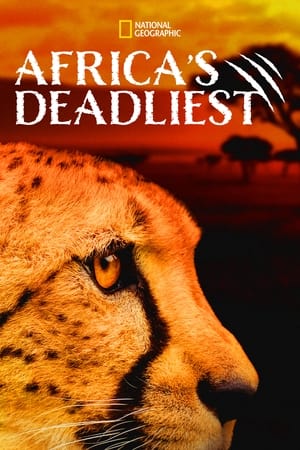
Africa is a land sculpted by time where animals have evolved complex weapons to arm them in the battle to live another day. An elephant's tusks can defend, or attack. An octopus uses camouflage to find food, or hide from an enemy. A Cape Fur Seal's speed and agility are valuable tools to catch a penguin, but ineffectual against a Great White Shark. A single hippopotamus holds a pride of twelve lions at bay with his sheer bulk, but backs down when faced with the piercing teeth of another hippo. With lethal weapons wielded by fearsome predators and prey, animals walk a precarious path, here among Africa's Deadliest.
Stories from the perspective of some of the world's oldest living creatures - trees. Each tree is located in a completely unique habitat around the world, and hosts, feeds and shelters an array of animals in its embrace.
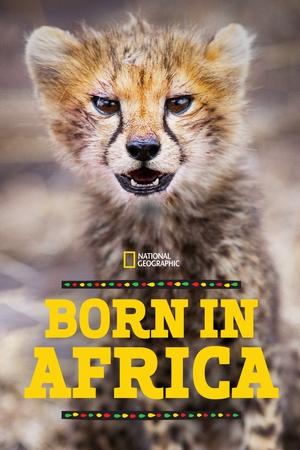
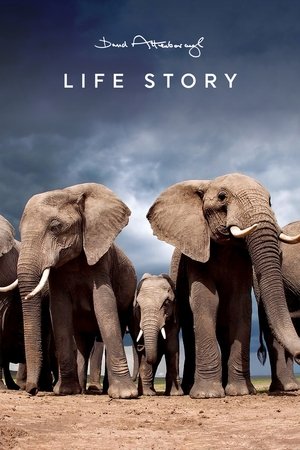
The remarkable and often perilous story of the journey through life. It is a story that unites each of us with every animal on the planet, because we all set out on this journey from the moment we are born. For animals there is just one goal in life – to continue their bloodline in the form of offspring. This series follows that journey through its six crucial stages: first steps, growing up, finding a home, gaining power, winning a mate and succeeding as a parent.
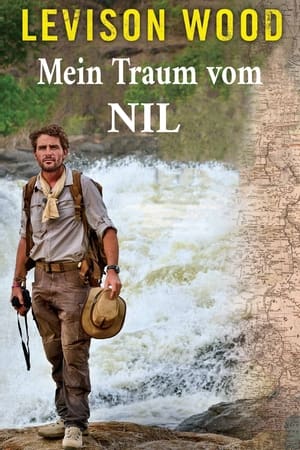
Explorer Levison Wood sets out on a nine-month walk along the length of the River Nile, visiting rainforests, deserts, cities and war zones, and encountering modern Africa, its people and its wildlife.
A series about the history of Africa with Basil Davidson. It was produced in a collaboration between Channel 4, the Nigerian Television Authority and RM Arts in 1984 and consisted of eight parts in four episodes. The film received the Gold Award from the 1984 International Film and Television Festival of New York. Each part is around an hour long.
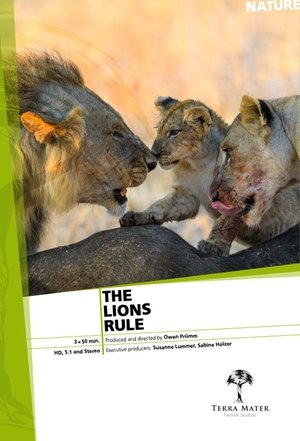
‘The Lions Rule’ is the saga of three lion families linked together by a strange, charmed place called the Glade: a beautiful oasis in Ruaha National Park where there is always water. The Glade is the territory of two old lionesses and their cubs. The Glade pride can bring down an adult giraffe – a remarkable skill. A magical Baobab forest spreads out beyond the Glade. This is the territory of the Baobab pride. They are the largest pride in all of Ruaha. The third pride are drifters – lean, mean and ruthless. They are the Njaa. The Njaa follow the buffalo. The herd is their territory and they are experts in the dark art of the buffalo kill. All three prides are lead by lionesses; there are no adult males in residence. This will play a major role in their fates
Experience the incredible and inspiring rebirth of an African wilderness through the eyes of an Emmy-winning wildlife cameraman. American-born, African-raised Bob Poole embarks on an amazing adventure: spending two years living in Gorongosa National Park, Mozambique, Southern Africa, joining scientists and conservationists in the battle to re-wild this once-legendary national park.
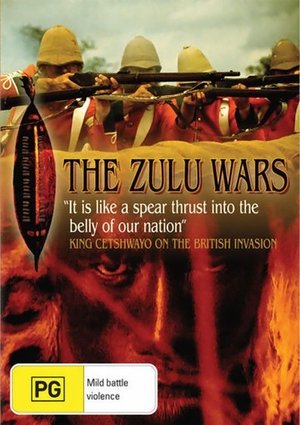
This series explores the facts and investigates the truth behind the British Redcoat Army's campaign in Zululand during 1879. The war was started by a country at the height of it's imperial powers and prosecuted by an army charged with the responsibility of implementing a policy known as Confederation - a proposal to unite various black and white factions in South Africa under British authority. Interviews, on-location footage and new geological surveys all help to reconstruct the conflicts and give insight into the tactics used in these epic battles.