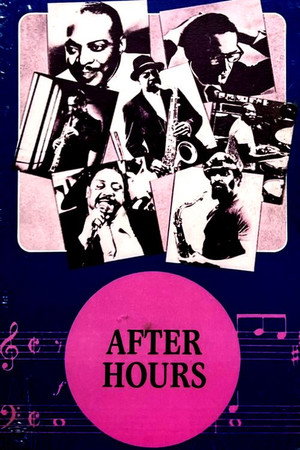
Documentary short showcasing the genius of jazz greats Coleman Hawkins, Roy Eldridge, Cozy Cole, and Milt Hinton, among others.
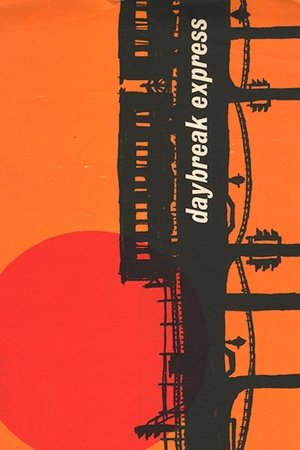
Set to a classic Duke Ellington recording "Daybreak Express", this is a five-minute short of the soon-to-be-demolished Third Avenue elevated subway station in New York City.
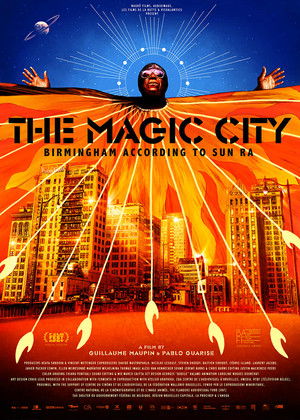
Between segregation and cosmic revelation, The Magic City traces the birth of Sun Ra, where a city becomes myth and a man, a galaxy.
All You Can Eat is a brief yet captivating short film that highlights the hungry moments shared between Brylee and his partner as they enjoy a sushi date together at Trapper's Sushi.
A troupe of gypsies takes a traveler along with them on their day trip.
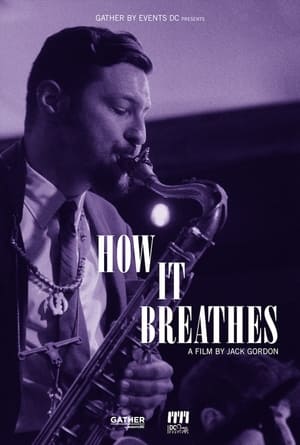
Elijah Jamal Balbed grew up in Washington DC in the midst of one of its most difficult eras, as its identity was being tested. As the city changed around him, his budding career as a musician exposed him to the people and music providing a voice and an outlet to the people of DC. Now tasked with preserving and sharing that tradition, Balbed reflects on balancing that responsibility with creating a musical identity of his own.
The Woodstock Jazz Festival, Woodstock NY, 1981 was a celebration of the tenth anniversary of the Creative Music Studio. With performances by Jack DeJohnette, Chick Corea, Pat Metheny, Anthony Braxton, Lee Konitz, Miroslav Vitous,
The story of how Everett Leroy Jones became Amiri Baraka, from his childhood to the mid '60s, is told through interviews recorded in the late '90s.
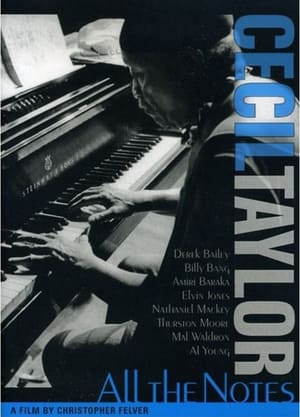
Cecil Taylor was the grand master of free jazz piano. "All the Notes" captures in breezy fashion the unconventional stance of this media-shy modern musical genius, regarded as one of the true giants of post-war music. Seated at his beloved and battered piano in his Brooklyn brownstone the maestro holds court with frequent stentorian pronouncements on life, art and music.
The young American Pablo Menéndez came to Cuba to study Music at the National School of Art. Here he formed a family and became one more Cuban. Member of the Sound Experimentation Group of ICAIC and promoter of the teaching of the electric guitar in Cuba, he is, together with his group Mezcla, one of our most original musicians.
This Emmy-nominated TV special highlights rare performance footage filmed between 1968 and 1969 at various US venues and locations, including the Westbury Music Fair, The Village Gate, and RCA Studios in New York City. Also featured are candid and personal interviews with Nina herself, revealing her unique views on music and life -- all expressed with her trademark intensity.
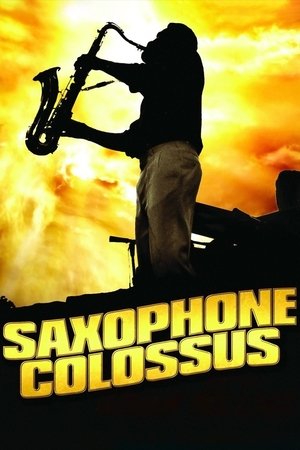
Tenor saxophone master Sonny Rollins has long been hailed as one of the most important artists in jazz history, and still, today, he is viewed as the greatest living jazz improviser. In 1986, filmmaker Robert Mugge produced Saxophone Colossus, a feature-length portrait of Rollins, named after one of his most celebrated albums.
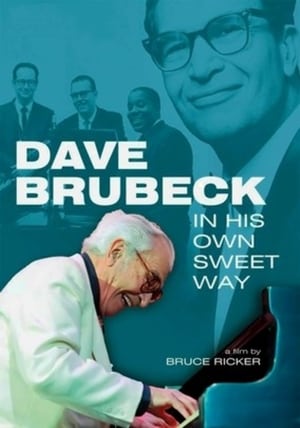
A chronological look at the life and career of jazz musician, composer, and performer Dave Brubeck (1920-2012 ), presented through contemporary interviews, archival footage of interviews and performances, and commentary by family, fellow musicians, and aficionados. Emphases include his mother's influence, his wife's invention of college tours, his skill as an accompanist, the great quartet (with Desmond, Morello, and Wright), his ability to find musical ideas everywhere, his orchestral compositions, his religious conversion, and his unflagging sweet nature.
A look at the history of jazz, which has its origins in the music of Africans enslaved to North America 300 years ago.
Made on a wind-up Bolex camera, The Sound of Seeing announced the arrival of 21-year-old filmmaker Tony Williams. Based around a painter and a composer wandering the city (and beyond), the film meshes music and imagery to show the duo taking inspiration from their surroundings.
A documentary about the jazz standard and it's roots in Jewish and African-American culture/
Moving away from the conventions of traditional documentary filmmaking, Gitani presents itself as a vibrant "emotional vision" of Romani life. Rather than a rigid factual account, the film immerses the audience in an atmosphere of pure euphoria and shared joy. Music serves as the essential thread that weaves the entire work together, while the visual narrative mirrors the fluidity of dance—constantly assembling and dissolving to the beat of the performers' movements. It is a rhythmic and sensory experience that prioritizes feeling and atmosphere, capturing the spirit of a culture through the harmony of sound and motion.
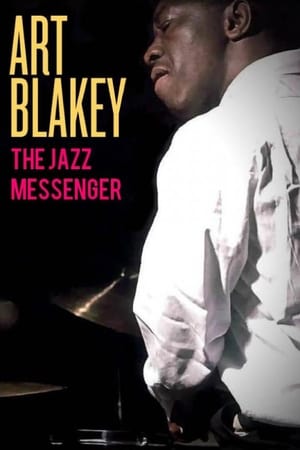
A portrait of inspirational jazz drummer and teacher Art Blakey with Dizzy Gillespie, many pupils including Wayne Shorter, the Marsalis brothers, and a surprising new generation of musicians and dancers.
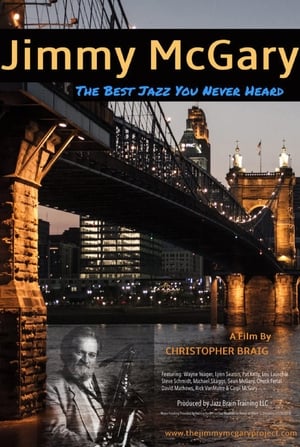
Tenor saxophonist Jimmy McGary was a major presence in the Cincinnati music scene from the 1950s until his death in the early ’90s. With music rooted in Bebop with a progressive slant, the Jazz legend was a session player for King Records and released his first album as a bandleader — The First Time (with a quartet that included pianist Pat Kelly) — in 1979. McGary’s spirit and legacy have lived on well after his passing and well beyond Cincinnati, as evidenced in this new documentary film.
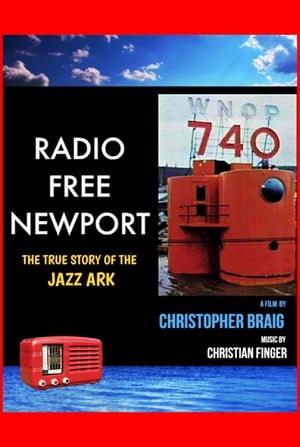
Imagine an AM Radio Station with a dawn to dusk license that played nothing but jazz and comedy records. Did I mention it FLOATED in the Ohio River and changed the culture of a Community? The history of Cincinnati Jazz is long, wide, diverse and in the case of WNOP sometimes beyond belief. Saxophonist turned filmmaker Christopher Braig's second Film will focus on the people, music, and cities that kept "The Jazz Ark" sailing for 42 years from 1968 to 2000.