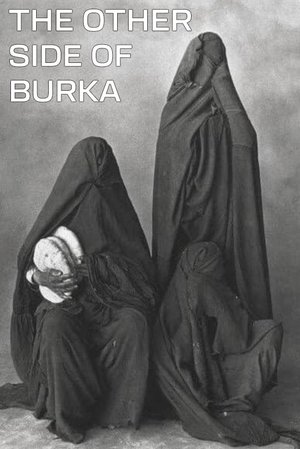
The Other Side of Burka is a 2004 Iranian documentary directed by Mehrdad Oskouei. In the southern island of Qeshm, Iran, which is a very strict region in point of tradition and African-Arabic rules, all women are under the pressure of patriarch society. Their sufferance is manifested by different mental (Zar, Possession) and physical diseases which must be only treated by Zar Ceremony. For the first time, despite the danger these women face, this film tells us the sad story of their life and shows their confection in front of the camera. It tries to be an honest mirror which reflects their sufferance and unveils their Burka to reveal their real characters.
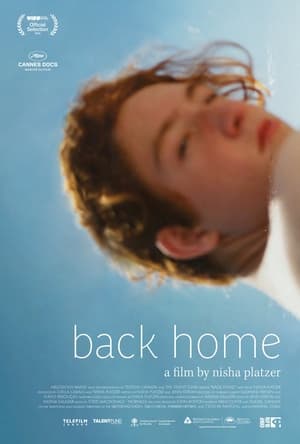
In 1999, 11-year-old Nisha Platzer lost her older brother, Josh, to suicide. Twenty years later, her search for a specialized medical treatment leads her to the door of someone who was once exceptionally close to Josh. And so it is that she finally has the chance to truly know her brother through his chosen family. Captured over five years in which synchronicities continually manifested, Platzer’s documentation of these encounters gently asserts that both grieving and healing are meant to be communal experiences.
The humorous portrait of a female artist. The film follows the career of 24-year-old Janine F. who in 2002 caused a commotion from the rooftop of a Berlin building.
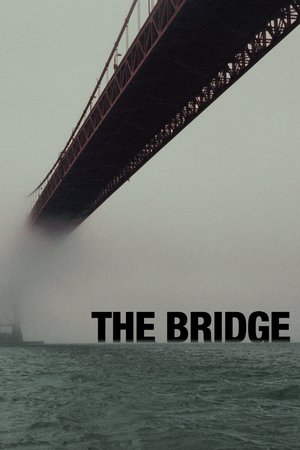
The Bridge is a controversial documentary that shows people jumping to their death from the Golden Gate Bridge in San Francisco - the world's most popular suicide destination. Interviews with the victims' loved ones describe their lives and mental health.
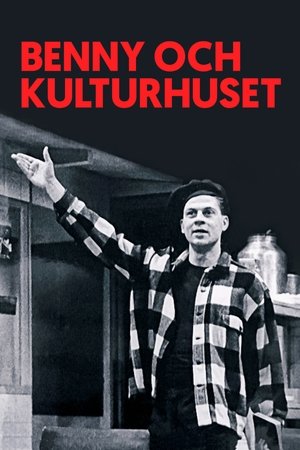
A portrait of Benny Fredriksson who for 16 years was CEO of Kulturhuset / Stadsteatern. He also had a background as an actor and director. In connection with a media hunt he resigned and later took his own life.
Dem Himmel zu nah
Too Young To Die
Dertien Dagen
A young woman from Minnesota moves to Hollywood in search of a dream and gets caught up in a world of X-rated movies and drugs.
Bye
We don’t like to talk about it, but it can be challenging to be a man in the world today, and even more challenging to raise boys to be good men. Maybe it’s time for a conversation.
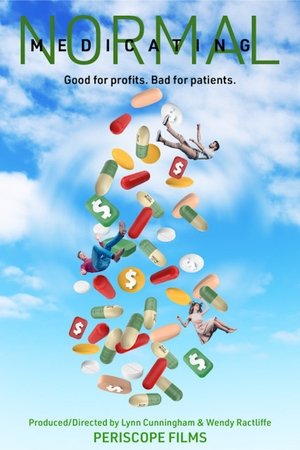
One in five Americans is taking a psychiatric drug, including millions of children. Pharmaceutical companies have over-hyped the benefits of these drugs, while hiding the risks and severe side effects including physiological dependence. "Medicating Normal" explores what happens when for- profit medicine intersects with human beings in distress.
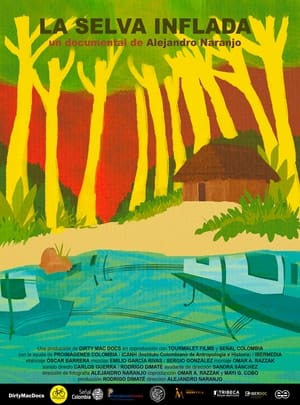
A series of suicides among youths who had to travel far from home to go to school, shocked their indigenous community in the Colombian Amazon. They are different cultures in the frantic friction of our time, it is a generation of young people born from the meeting of both cultures who are hanging before the mirages of a foreign world.
Mon fils, 41 ans pour toujours
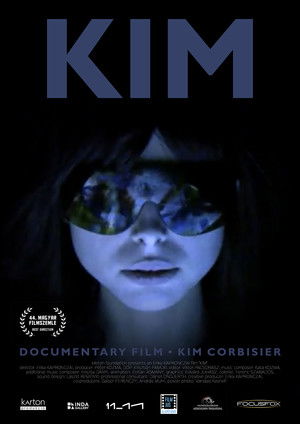
The story of an exceptional painter talent, the Belgian-Hungarian Kim Corbisier who left a brilliantly powerful oeuvre behind after her tragically short and intense life. And a camera at her filmmaker friend. The mesmerising and often shocking footage of the camera bear witness to Kim's struggles with methadone addiction and, above all, her identity crisis caused by a series of unfortunate and criminal accidents in her family. After the unfinished attempts, with this film, the filmmaker is realising a project they had planned together 10 years ago.
A grieving father seeks answers after his 14-year-old son kills himself. He uncovers painful truths about the lives of teens, the impact of unfettered access to internet and social media, and the shocking rise of depression among America’s youth.
Corée du Sud, de la K-pop au bouddhisme
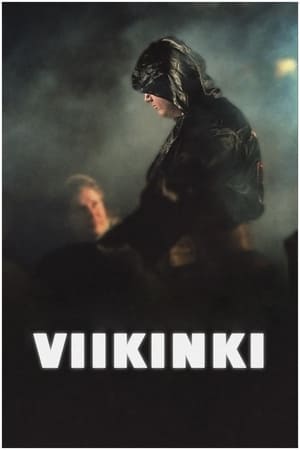
Documentary film about Tony Halme, masculinity and populism. The film follows how Tony Halme created a mythical, highly masculine freestyle wrestling character, The Viking, who gained fame both in the ring and in the public eye and eventually became captivated by it. With his brash speeches, Halme fired the starting shot for the rise of the Finns Party. The voice of a forgotten section of the population, a protest against the ruling elite, were the building blocks of Halme's popularity. Halme's great popularity has served as a good example of a populist figure, admired within the deep ranks of the nation, who comes from outside the political elite and changes the direction of politics. Also, despite - or perhaps because of - his openly racist statements, he was part of changing the political climate in Finland to a more acrimonious one.
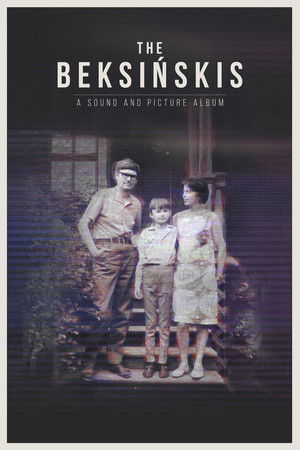
Painter Zdzisław Beksiński, his wife Zofia and their son Tomasz, a well-known radio journalist and translator, were a typical and unconventional family, both at the same time. One of the father’s obsessions was filming himself and his family members. Using archival footage only, shot primarily by Zdzisław, as well many other materials, which have not been presented anywhere so far, the film tells a tragic story of the Beksińskis that has never ceased to fascinate Polish filmmakers.
The story of Magda Goebbels, the wife of Goebbels, an associate of Hitler, is one of the most amazing and shocking stories of the 20th century. The world shuddered to learn that before the suicide in the bunker on May 1, 1945, which followed the suicide of Hitler and his inner circle, Magda Goebbels killed her six children. The youngest girl was 5 years old, the eldest was 12 years old. Only the eldest son of Magda Harald survived, he was at the front.