Raised in the small all-Black Florida town of Eatonville, Zora Neale Hurston studied at Howard University before arriving in New York in 1925. She would soon become a key figure of the Harlem Renaissance, best remembered for her novel, Their Eyes Were Watching God. But even as she gained renown in the Harlem literary circles, Hurston was also discovering anthropology at Barnard College with the renowned Franz Boas. She would make several trips to the American South and the Caribbean, documenting the lives of rural Black people and collecting their stories. She studied her own people, an unusual practice at the time, and during her lifetime became known as the foremost authority on Black folklore.
Mein Wunschland
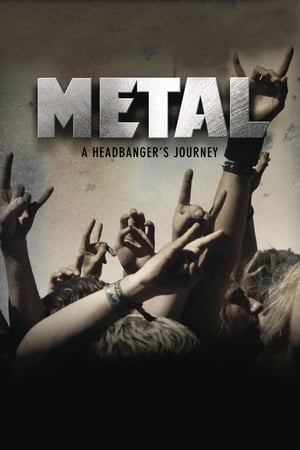
The film discusses the traits and originators of some of metal's many subgenres, including the New Wave of British Heavy Metal, power metal, Nu metal, glam metal, thrash metal, black metal, and death metal. Dunn uses a family-tree-type flowchart to document some of the most popular metal subgenres. The film also explores various aspects of heavy metal culture.
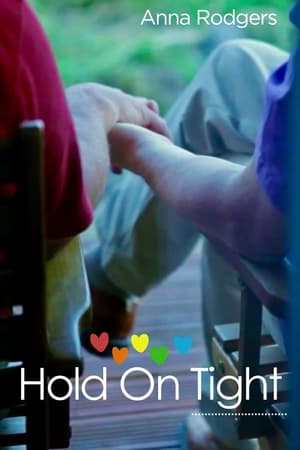
A short documentary exploring the ways LGBT couples show affection, and how small interactions like holding hands in public can carry, not only huge personal significance, but also the power to create social change.
Profile of a Chinese immigrant to Canada narrated by her son.
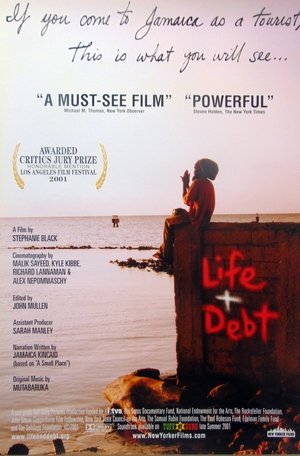
Life and Debt is a 2001 American documentary film that examines the economic and social situation in Jamaica, and specifically how the International Monetary Fund and the World Bank's structural adjustment policies have impacted the island.
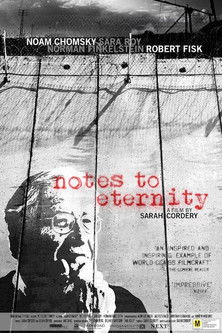
Renowned critics of Israeli policies – Noam Chomsky, Norman Finkelstein, Sara Roy and Robert Fisk – provide personal substance and historical perspective to their arguments in this impressive film by New Zealander Sarah Cordery.
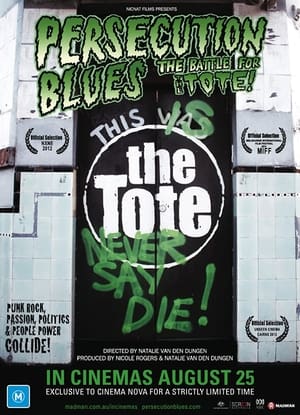
In 2010, the iconic Tote Hotel – last bastion of Melbourne’s vibrant music counterculture – was forced to close by unfair laws. Filmed over 7 years, “Persecution Blues” depicts the struggle of more than 20,000 fans – and the bands who inspire them – to preserve their history and protect their future, and puts the audience on the front line of an epic-scale culture war.
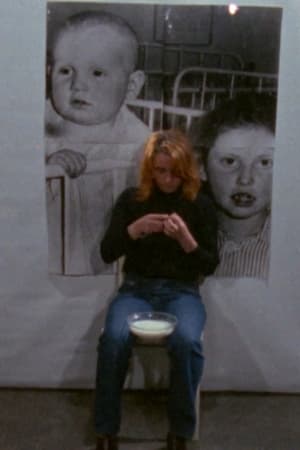
With sometimes painful directness, Valie Export conducts a psychological investigation of the body in this film performance, externalizes an internal state. In front of a police photo showing two children who were sexually abused by their parents, she tortuously cuts into her cuticles until blood drips into a bowl of milk on her lap. On top of the symbolic plane of blood and milk, the physical effect on the viewer of her destructive act of self-mutilation is extreme.
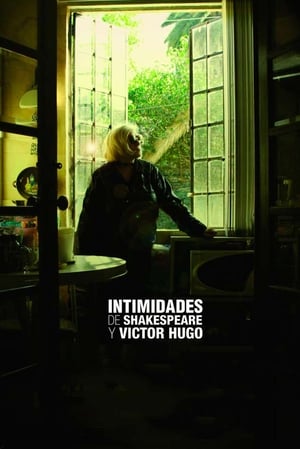
Documentary about a lodging house, owned by Rosa Carbajal, at the corner of Shakespare and Víctor Hugo streets.
Documentary portrait of the New York photographer Nan Goldin.
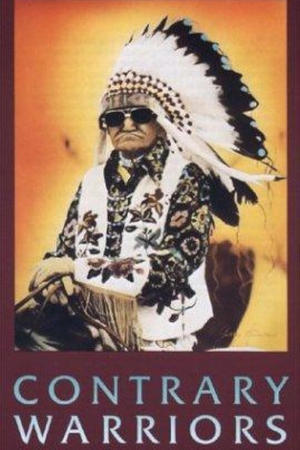
Examines the impact a century of struggling for survival has on a native people. It weaves the Crow tribe's turbulent past with modern-day accounts from Robert Yellow-tail, a 97-year-old Crow leader and a major reason for the tribe's survival. Poverty and isolation combine with outside pressures to undermine the tribe, but they resist defeat as "Contrary Warriors," defying the odds.
In this posthumous film, shot in Montreal in 2013 and completed by Michka Saäl’s colleagues and friends, the filmmaker salutes the beauty of Montreal and its people. From the back alleys of the Plateau to artists’ apartments, from a passionate recycling advocate to a queen of the night, everyday heroes are the subject of this final film. They are humble folk, faithful to their personal ethical sense, determined to make the world more beautiful. They are true adventurers, especially as seen by Michka Saäl.
This film is a poetic composition of recorded history and non-recorded memory. Filmmaker Rea Tajiri’s family was among the 120,000 Japanese and Japanese Americans who were imprisoned in internment camps after the attack on Pearl Harbor. And like so many who were in the camps, Tajiri’s family wrapped their memories of that experience in a shroud of silence and forgetting. This film raises questions about collective history – questions that prompt Tajiri to daringly re-imagine and re-create what has been stolen and what has been lost.
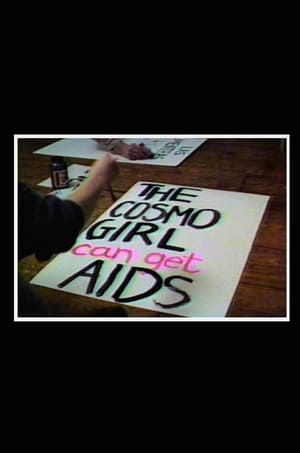
Outraged by the controversial January, 1988 article in Cosmopolitan magazine, the women in the AIDS Coalition to Unleash Power, (Act Up, New York), organized the first AIDS demonstration focused on women. Doctors, Liars and Women:AIDS Activists Say No To Cosmo not only documents the efforts of the Women's Committee to organize this protest, it also serves as a how-to-guide for direct action.
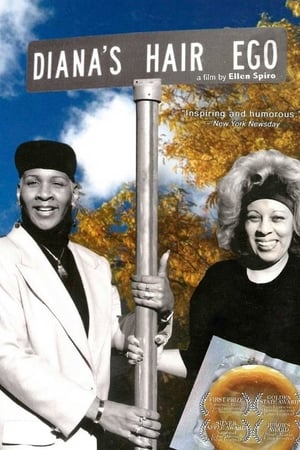
A documentary film about AIDS and one unconventional woman's efforts to educate her small, Southern community. DiAna DiAna is a local hairdresser who transformed her beauty parlor into a center for AIDS and safe sex information.
Women who are HIV-positive discuss how they "came out" about their infection and became politically active.
Steyerl’s film traces the impact of an influx of transnational companies on the city dwellers of Berlin in post-reunification Germany. The effect of the changing economy and politics on the city and its inhabitants is echoed through their physical relocation to its outer edges. In 1990, squatters proclaim a socialist republic on the death strip. Eight years later, the new headquarters of Mercedes Benz are built in the same location. The film makes use of slow super-impositions to uncover a journey across changing architectural and cultural boundaries. "The Empty Centre" tries to give a voice and a history to those who continue to be marginalised by the simultaneous dismantling and reconstruction of the borders which they are trying to cross.
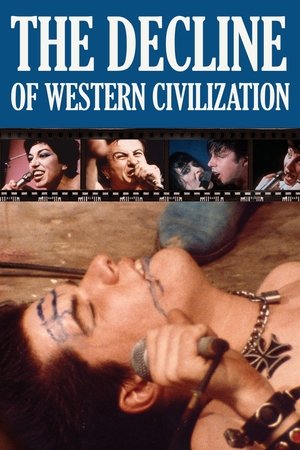
The Los Angeles punk music scene circa 1980 is the focus of this film. With Alice Bag Band, Black Flag, Catholic Discipline, Circle Jerks, Fear, Germs, and X.
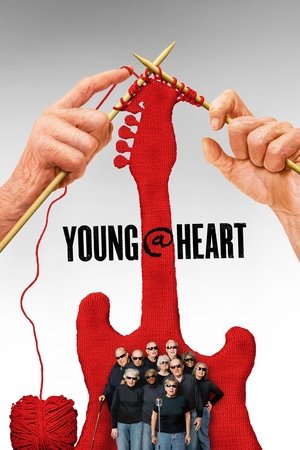
Documents the true story of the final weeks of rehearsal for the Young at Heart Chorus in Northampton, MA, and many of whom must overcome health adversities to participate. Their music goes against the stereotype of their age group. Although they have toured Europe and sang for royalty, this account focuses on preparing new songs for a concert in their hometown.