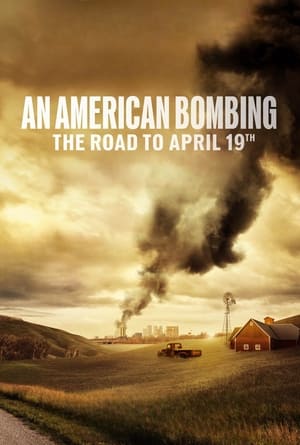
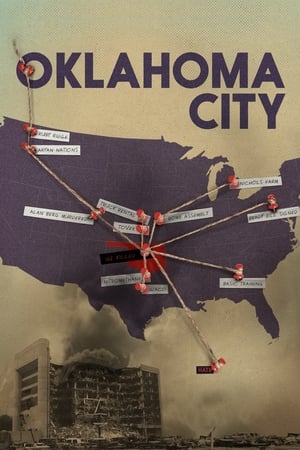
This documentary looks at the surge in political violence through the story of the 1995 Oklahoma City bombing, showing the roots of anti-government sentiment and its reverberations today, along with the emotionally charged warnings of those who suffered tragic losses in the deadliest homegrown attack in U.S. history.
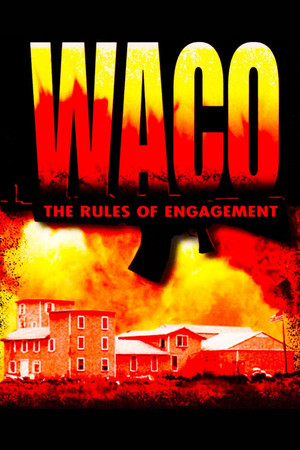
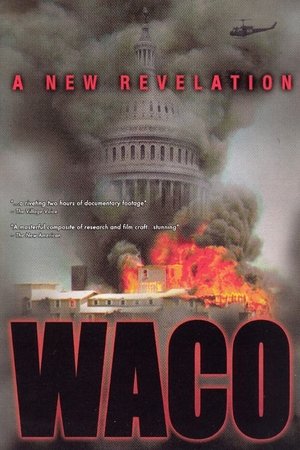
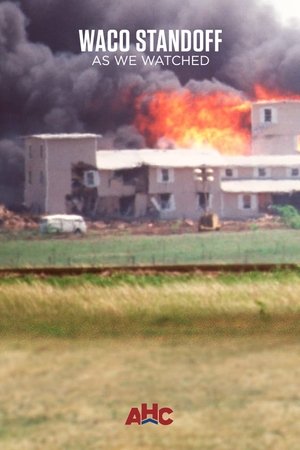
In one of the most tragic face-offs in the history of law enforcement, the deadly debacle at Waco pitted the Branch Davidian sect against the FBI in an all-out war. This documentary makes the most of footage and recordings to examine how the events that led to the tragedy of April 19, 1993, unfolded, and how the FBI's unrelenting approach made what was already a bad situation much worse.
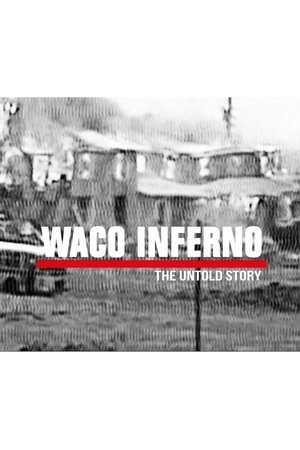
An in-depth look into the Branch Davidians, a religious cult led by David Koresh in the late 1980s and early 1990s that ultimately met with a tragic, fiery end.
Alex Jones' second feature documentary. Jones takes a closer look at the 1993 incident with the Branch Davidians in Waco. The documentary presents evidence for the US government overstepping Constitutional boundaries and perpetuating a cover up.
A documentary about the conflict in 1993 between the Branch Davidians, a religious apocalyptic group, and the FBI based on further research by the roll behind Waco: The Rules of Engagement. Interviews with new people are conducted and more evidence is presented.
Documentary charting the rise of David Koresh, the 51-day siege at the Branch Davidian compound and the tragic conclusion to that stand-off. Featuring testimony from five of the 'true believers'.
Waco, the Big Lie is a 1993 American documentary film directed by Linda Thompson that presents video-based analysis regarding the Waco siege. The first film made about the Waco siege, Waco, the Big Lie gained significant notoriety when it was viewed during the trial of American domestic terrorist Timothy McVeigh. As part of the defense, McVeigh's lawyers showed Waco, the Big Lie to the jury.
The bombing of the Alfred P. Murrah Federal Building in Oklahoma City in April 1995 is the worst act of domestic terrorism in American history. This documentary explores how a series of deadly encounters between American citizens and federal law enforcement—including the standoffs at Ruby Ridge and Waco—led to it.
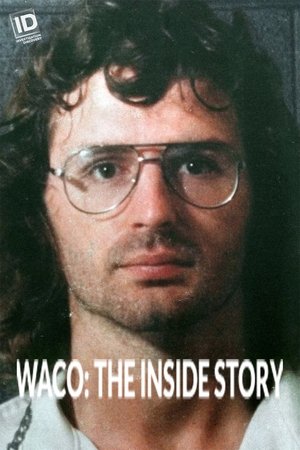
The true, inside story of the Waco siege. When a raid on a religious cult goes wrong, the FBI spent 51 days negotiating the release of over one hundred people.
On April 19, 1993, FBI agents attacked a religious compound in Waco, Texas, occupied by a small obscure religious cult. 76 people, including 26 children, died. The repercussions of Waco are still being felt. What happened? How did it go so wrong?
A young Nigerian student and poet, abused and neglected by his cruel stepmother, finds solace in friendship. His wrongful arrest tests his resilience. A story of survival and redemption.
Bobbing around on Mediterranean waters aboard the Ocean Viking, aid workers from the French relief service SOS Méditerranée gaze at the horizon. Is that a rubber dinghy in the distance, or is it garbage? The organization sails up and down the Libyan coast looking to pick up refugees in boats. On board is a 30-strong team ready to offer help and support refugees with their asylum applications.
32 contestant hunt down a single targert in a manhunt across Glasgow.
In a journey from the mountains of southeastern Mexico to the northern border with the United States, Subcommander Marcos and the people of Mexico trace the forgotten face of a country. A celebration of the struggle for land and dignity.
Camelamos naquerar (We Want to Speak) is an adaptation of the theatre play of the same name which was born out of a collaboration between Romani poet and university professor José Heredia Maya and Romani flamenco dancer and choreographer Mario Maya; the latter also performs in the piece, along with other artists. The title in Caló, the language used by Gitanos, translates as ‘we want to speak’, a revolutionary message that illustrates the efforts to reclaim a place in Spanish history for the Roma people and denounce the institutional injustice suffered by the community. It takes as its starting point the Pragmatic decrees signed by the Catholic Monarchs at the end of the fifteenth century, which heralded the long persecution of the Roma people, and continues right up to the twentieth-century Francoist laws.