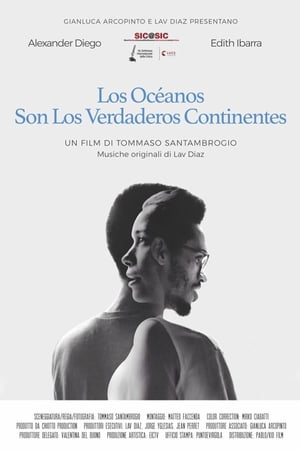
Having Cuba as a background, decadent and in crisis, in a black-and-white lacerated by the Caraibic swinging rain, Alex and Edith, a couple in their 30s, live their love story made of small daily gestures, stories from the past, nostalgia, and a deep intimacy.
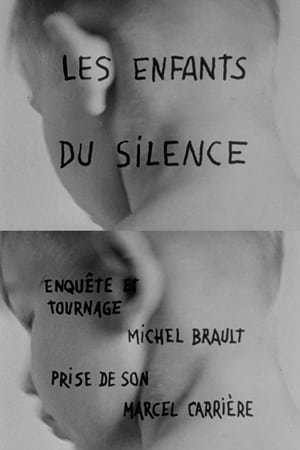
This film looks at the world of children with hearing loss and the importance of early diagnosis. With its straightforward, rigorous cinematic style and intimate approach to the subject, the film focuses on the human rather than the technical side of the problem of hearing impairment.
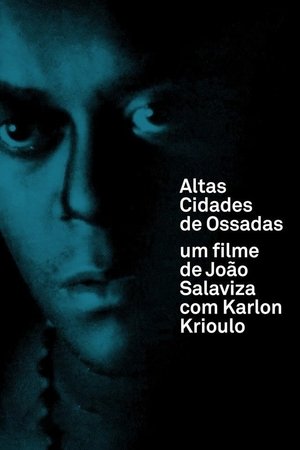
Karlon, born in Pedreira dos Húngaros (a slum in the outskirts of Lisbon) and a pioneer of Cape Verdean creole rap, runs away from the housing project to which he had been relocated.
Profile of the actress Zita Johann
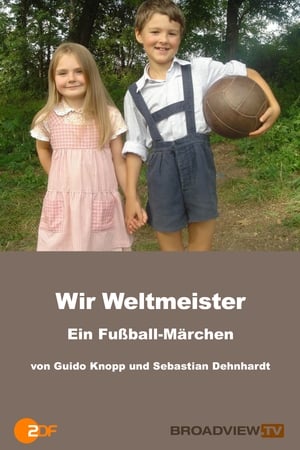
Wir Weltmeister – ein Fußballmärchen
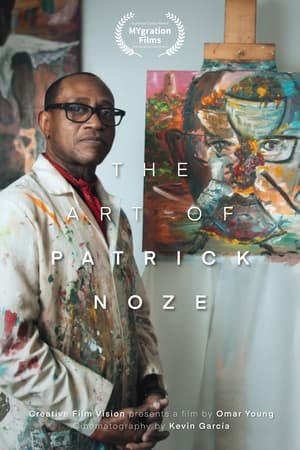
A short documentary about Patrick Noze, his art and journey as a migrant in America.
The Veterans of Foreign Wars as a fraternal and social organization, with emphasis on their projects that benefit community life and cohesion.
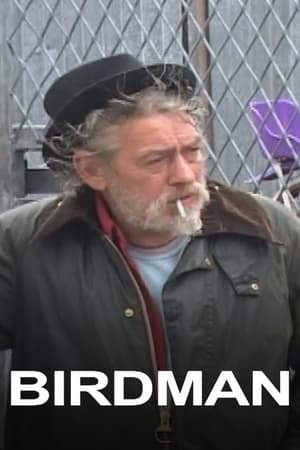
A portrait of Robert, a troubled but poetic soul struggling with his purgatorial existence in a hackney scrapyard.
A short film about Pete Seeger and the birth of banjo music throughout the Southern United States.
In the late 1980s, Tim Duffy, a penniless North Carolina musicology student, became deeply involved in Winston-Salem's drinkhouse music scene, an off-the-grid hotbed of gritty traditional blues. He began the foundation after observing and living with the deep poverty of the Southern blues artists he befriended and championed.The foundation now helps hundreds of older Southern musicians with everything from financial assistance to tour support. The film travels back to the early artists that were the inspiration for Music Maker, and forward to the current artists carrying on the Southern roots tradition. The film features performances, archival and contemporary, of Music Maker artists on tour and in the studio, as well as interviews with the artists and Duffy on the foundation, music and the blues.
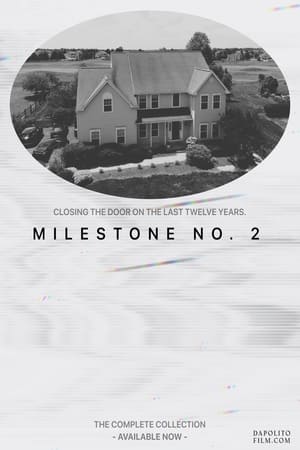
A documentary showcasing a family as they pack up their home of twelve years and begin looking towards the future.
A documentary about the artistic and verbal expressions of mentally ill people.
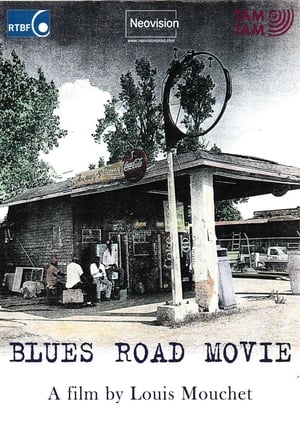
This film traces the road of the Blues and takes us on a journey to mythical places: From the banks of the Niger to New Orleans, going up the Mississippi through Memphis to the skyscrapers of Chicago. It tells the story of this culture which faced the worst barriers and shows that Humanity can overcome barbarity.
In 2016, DEFA celebrates its 70th anniversary: the film embarks on a journey into the exciting film history of the GDR. In a comprehensive kaleidoscope, the importance of DEFA productions is illuminated, the relevance of the films as propaganda productions for the GDR, which socio-political themes were in the foreground, but also which heroes DEFA brought to the screen and celebrated as people from the people.
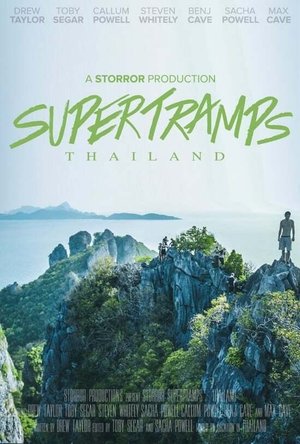
Storror Supertramps - Thailand is the first film of its kind. Seven friends take you on a thrilling feature length adventure, documenting their wild journey around South East Asia. Join some of the worlds favourite athletes on an incredible exploration into their world of fun, freedom and adventure. The boys push the limits of their comfort zone as they endure twenty-eight days with no plans, accommodation or money. What could possibly go wrong ?
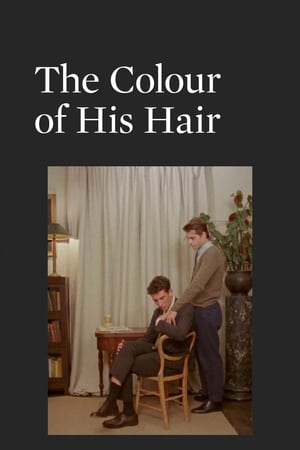
Based on an unrealized film script written in 1964 for The Homosexual Law Reform Society, a British organisation that campaigned for the decriminalization of homosexual relations between men, "The Colour Of His Hair" merges drama and documentary into a meditation on queer life before and after the partial legalization of homosexuality in 1967.
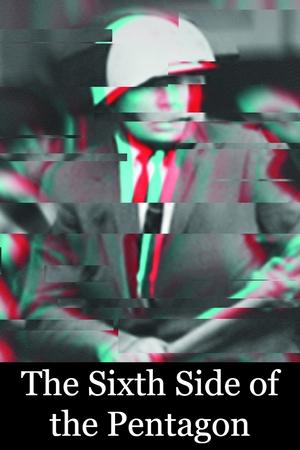
Chris Marker and François Reichenbach document the massive anti–Vietnam War protest held in Washington, D.C., on October 21, 1967, where more than 100,000 demonstrators gathered at the Lincoln Memorial before marching on the Pentagon. Filmed amid the crowd, the short captures the tension, idealism, and growing radicalism of the American peace movement.
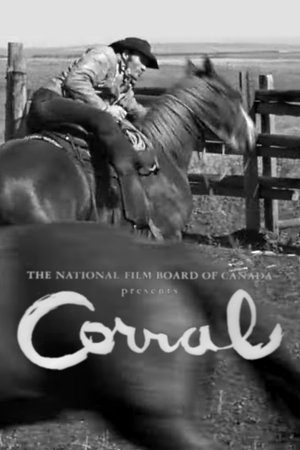
Corral is a 1954 National Film Board of Canada documentary by Colin Low, partly shot in the Cochrane Ranch in what is now Cochrane, Alberta. In the film, a cowboy rounds up wild horses, lassoing one of the high-spirited animals in the corral, then going on a ride across the Rocky Mountain Foothills of Alberta.
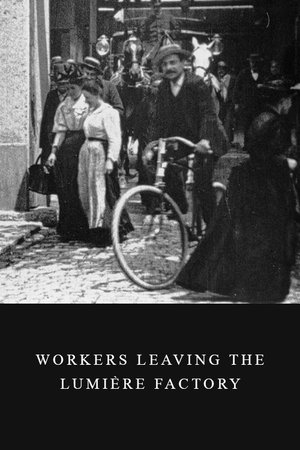
Working men and women leave through the main gate of the Lumière factory in Lyon, France. Filmed on 22 March 1895, it is often referred to as the first real motion picture ever made, although Louis Le Prince's 1888 Roundhay Garden Scene pre-dated it by seven years. Three separate versions of this film exist, which differ from one another in numerous ways. The first version features a carriage drawn by one horse, while in the second version the carriage is drawn by two horses, and there is no carriage at all in the third version. The clothing style is also different between the three versions, demonstrating the different seasons in which each was filmed. This film was made in the 35 mm format with an aspect ratio of 1.33:1, and at a speed of 16 frames per second. At that rate, the 17 meters of film length provided a duration of 46 seconds, holding a total of 800 frames.
A flickering dance of intriguing imagery brings to light the possibilities of ordinary movements from the everyday which appear, evolve and freeze before your eyes. Made entirely from archive photographs and footage from the earliest days of moving image, All This Can Happen (2012) follows the footsteps of the protagonist from the short story 'The Walk' by Robert Walser. Juxtapositions, different speeds and split frame techniques convey the walker's state of mind as he encounters a world of hilarity, despair and ceaseless variety.