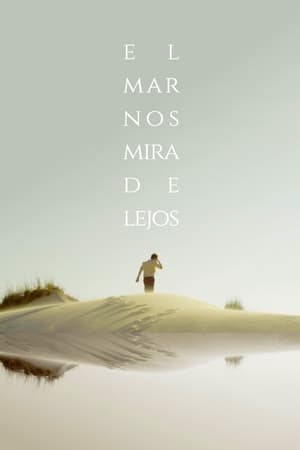
Huelva, Spain, an isolated region lost in time. The grass, the sand and the sky are the same that those foreigners saw in the spring of 1895, when they crossed the sea from a distant country to mark the unspoiled terrain and extract its wealth, when the tower was new, when people could climb to the top of the highest dune and imagine that the city of Tartessos was still there, in the distance, almost invisible in the morning brume.
A Place of Our Own
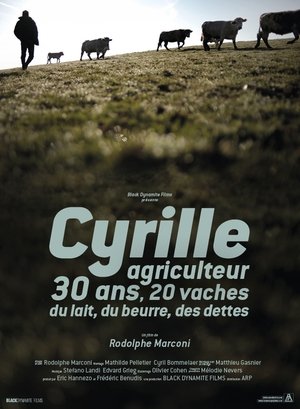
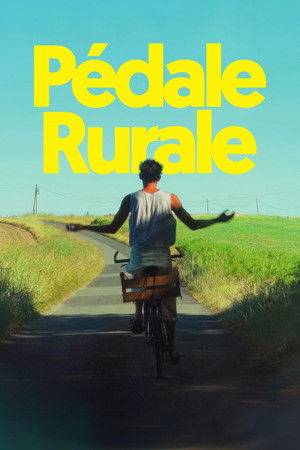
Cyrille, a young gay farmer from Auvergne, has only one friend, a homosexual like him. One day, he goes on vacation to a beach in Charente Maritime. He cannot swim and sees the sea for the first time. It was there that he met the director Rodolphe Marconi who decided to devote this sensitive and gentle portrait to him, plunging us into an agricultural world in crisis and into a life often lonely and made up of hard work rarely pays off.
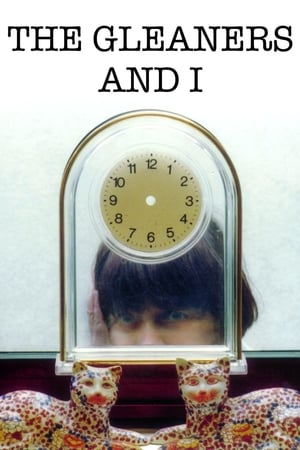
Varda focuses her eye on gleaners: those who scour already-reaped fields for the odd potato or turnip. Her investigation leads from forgotten corners of the French countryside to off-hours at the green markets of Paris, following those who insist on finding a use for that which society has cast off, whether out of necessity or activism.
Benoît built his paradise hidden from view, emancipated in his own way, resolved to face the constraints of a space which, in imaginations, conflicts with his identity. The countryside. One day, he and other queers from the area decide to organize the first Pride of the Périgord vert, because it is time to come out, to take up space to celebrate, heal, and finally open a path.
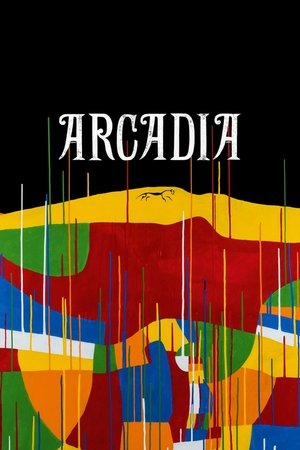
A provocative and poetic exploration of how the British people have seen their own land through more than a century of cinema. A hallucinated journey of immense beauty and brutality. A kaleidoscopic essay on how magic and madness have linked human beings to nature since the beginning of time.
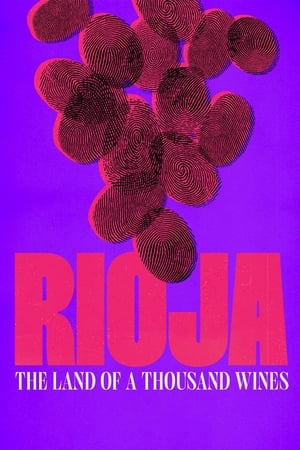
By telling the human stories behind the entire value chain that gives life to the Spanish wine with the greatest international projection, ‘Rioja, Land of the Thousand Wines’ portrays a currently blooming wine region underpinned by the talent and the work of the new generations of winemakers that operate side by side with the region’s historic wineries. The film puts the focus on the match between territory and product, wisdom and tradition, and lays a bridge between the origins and the future of Rioja. An immersion into a fascinating world that, through captivating cinematography and careful editing, attempts to find the keys to understanding what Rioja wine is and what makes it so special.
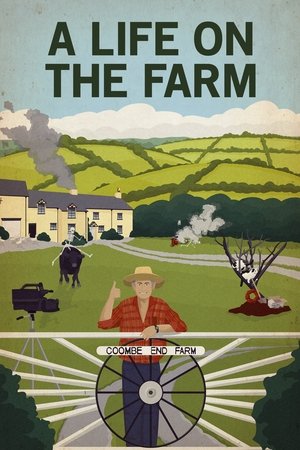
A strange story from Somerset, England about a filmmaking farmer and the inspiring legacy of his long-lost home movies.
In an invisible territory at the margins of society, at the border between anarchy and illegality, lives a wounded community that is trying to respond to a threat: of being forgotten by political institutions and having their rights as citizens trampled. Disarmed veterans, taciturn adolescents, drug addicts trying to escape addiction through love, ex-special forces soldiers still at war with the world, floundering young women and future mothers, and old people who have not lost their desire to live. Through this hidden pocket of humanity, the door opens to the abyss of today's America.
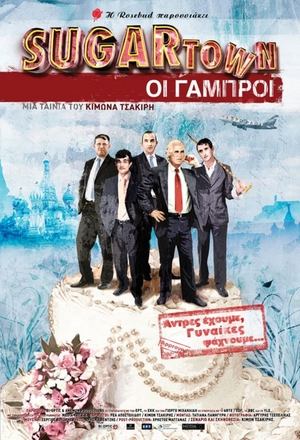
In the Greek village of Sugar Town, men have a serious problem. Women are fleeing the area in search of work or marriage in the big cities, leaving them behind - and lonely. Fully aware of the men’s dire situation, the astute mayor of Sugar Town promises to find them wives in Russia, as part of his re-election campaign. Against the odds and local traditions which frown upon mixed marriages, the bridegrooms from SugarTown set out on a great journey to find their future brides and happiness.
Facing seizure of their own lands, two families found themselves farming together on the same field, hoping to get through just another rice-farming season like every year. But no matter how much the world is evolving, how much the country is going through economic, political and social changes, they still cannot grasp that ideology of happiness.
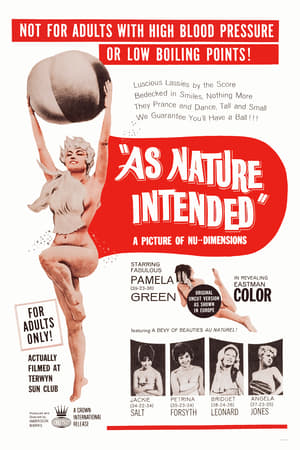
Three girls on a tour of the English countryside meet up with two young women who introduce them to the joys of life in a nudist camp.
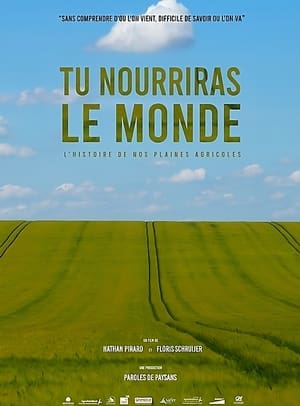
Tu nourriras le monde
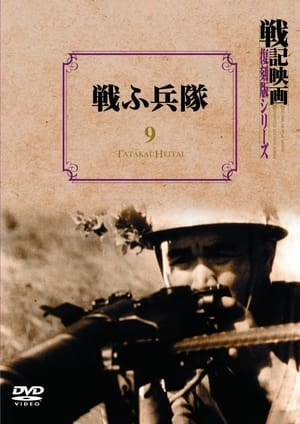
Documentary of an Imperial Japanese Army regiment's advance from Shanghai to Wuhan in 1938. This film was shelved before submission to Home Ministry censors amid rumors that Fumio was a Communist.
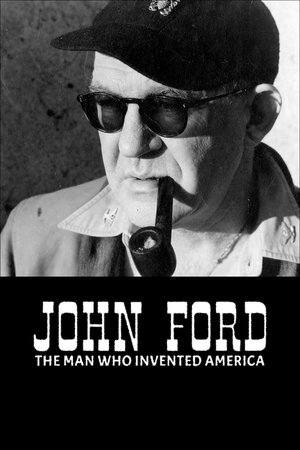
Over a 50-year career and more than a hundred movies, filmmaker John Ford (1894-1973) forged the legend of the Far West. By giving a face to the underprivileged, from humble cowboys to persecuted minorities, he revealed like no one else the great social divisions that existed and still exist in the United States. More than four decades after his death, what remains of his legacy and humanistic values in the memory of those who love his work?
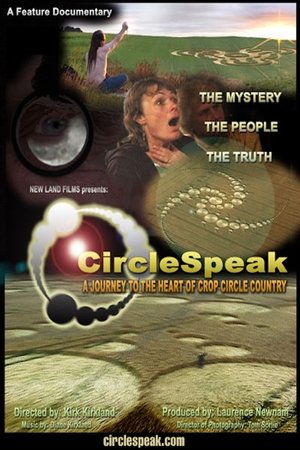
Shot in Southern England over the course of six weeks by a crew of three American filmmakers, CircleSpeak offers a nuanced look at the passions and beliefs of the people immersed in the crop circle phenomenon during the season of 2001. This feature-length documentary presents interviews with serious “researchers”, self-proclaimed “hoaxers”, local farmers and villagers who are all, in one way or another, involved in this strange and compelling summer spectacle taking place year after year.
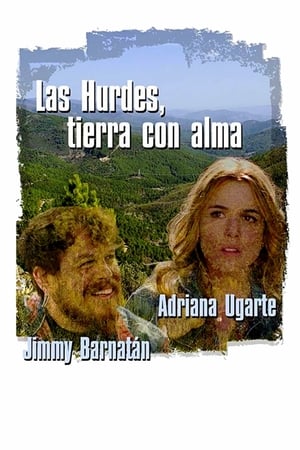
A modern answer to Luis Buñuel's mythical documentary “Land Without Bread” (1933) about Las Hurdes, a historically impoverished region of the province of Cáceres, in Extremadura, Spain, and also a journey of discovery of the soul of this beautiful land and its inhabitants.
A colourful miscellany of footage from both sides of the Pennines.
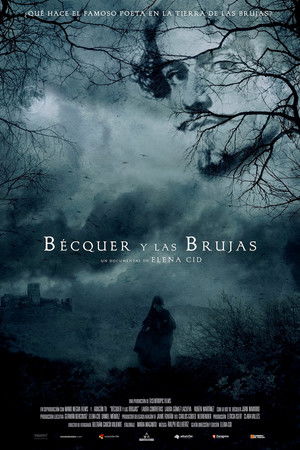
In 1864, the Spanish poet Gustavo Adolfo Bécquer (1836-70), suffering from health problems, retires to the monastery of Veruela. Far from the noise and worldly activity of the capital, he immerses himself in the landscape of the mysterious Moncayo mountain. There, he discovers a new world full of legends that converge in a small village located at the foot of the mountain: Trasmoz, the Village of the Witches, the only officially cursed village in Spain.
A ház