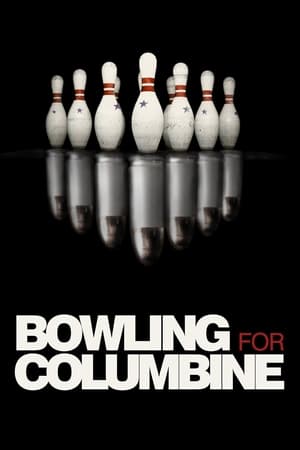
This is not a film about gun control. It is a film about the fearful heart and soul of the United States, and the 280 million Americans lucky enough to have the right to a constitutionally protected Uzi. From a look at the Columbine High School security camera tapes to the home of Oscar-winning NRA President Charlton Heston, from a young man who makes homemade napalm with The Anarchist's Cookbook to the murder of a six-year-old girl by another six-year-old. Bowling for Columbine is a journey through the US, through our past, hoping to discover why our pursuit of happiness is so riddled with violence.
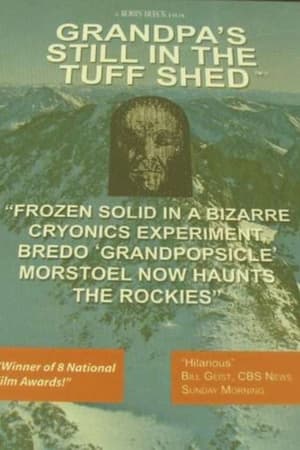
It adroitly tells the story of a "counter culture" young man who when his grandfather dies, packs the body in dry ice, and stores him in a Tuff Shed, waiting for the time when advances in modern medicine can bring him back to life. I am not making this up. Then our young men gets deported back to Norway on unrelated charges. Then, quite a while later, people look up and take notice ... "Hey ... there appears to be a frozen dead guy in that shed over there."
Though both the historical and modern-day persecution of Armenians and other Christians is relatively uncovered in the mainstream media and not on the radar of many average Americans, it is a subject that has gotten far more attention in recent years.
The Swedish dismemberment murderer Anders Carlsson (1942-2007) is presented and speaks freely about his life. Hannu Rajala was killed on November 27, 1987, in Anders Carlsson's apartment in Hässelby, Stockholm. Rajala's body was found dismembered in black plastic bags ten days later at Gysinge, some 150 kilometers north of Stockholm. On October 21, 1988, Anders Carlsson is sentenced to psychiatric care.
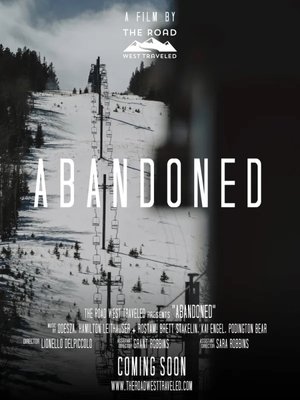
A crew of backcountry skiers set out to explore Colorado’s lost ski areas in hopes to find adventure amongst the ruins. Instead, they discover the truth behind what made these areas close their doors for good and illustrates what skiing used to be like before mega resorts and climate change wreaked havoc on independently owned ski areas. Through heart-wrenching interviews with former owners, ski patrol, and historians, The Road West Traveled uncovers what it’s like to be a skier in Colorado's backcountry and what it means to go from lost to found.
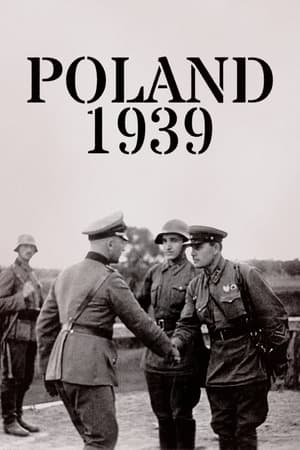
September 1st, 1939. Nazi Germany invades Poland. The campaign is fast, cruel and ruthless. In these circumstances, how is it that ordinary German soldiers suddenly became vicious killers, terrorizing the local population? Did everyone turn into something worse than wild animals? The true story of the first World War II offensive that marks in the history of infamy the beginning of a carnage and a historical tragedy.
A harsh and dreamy story of a young girl from the American West and her longing heart. Through Betty we experience a tight family clan of children born by children born by children where love and dependency go hand in hand.
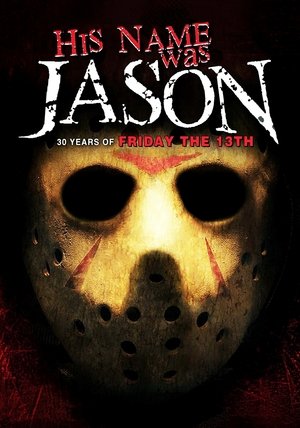
A retrospective documentary about the groundbreaking horror series, Friday the 13th, featuring interviews with cast and crew from the twelve films spanning 3 decades.
Phyllis Bigler has been going to the Spanish Peaks of Colorado since she was a child. Now in her 90s, she tells her stories.
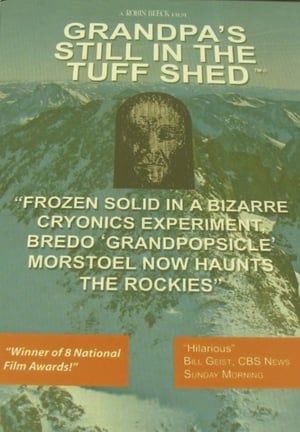
Award winning documentary filmmakers, Robin, Kathy and Shelly Beeck, with the help of filmmaker Michael Moore, have spent the last five years filming a 60-minute feature-length documentary on Bredo Morstoel, a Norweigan who was frozen by his grandson in 1983. Since then, the world famous...well...stiff has been lying under 800 pounds of dry ice in a TUFF SHED behind his grandsons' castle-like house in the 9000-ft Colorado ski town of Nederland. The grandson, Trygve Bauge, has long since been deported back to Norway, but Grandpa Bredo has remained, unwittingly becoming a worldwide symbol of the legal rights of the temporarily dead....
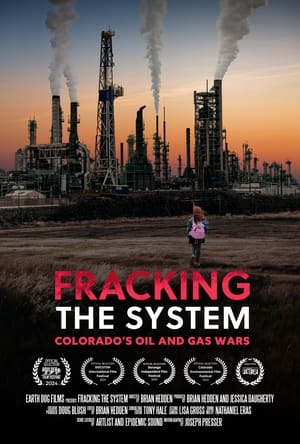
Fracking the System is a political thriller documentary from the front lines of climate justice activism in Colorado. When a fracking mega-site gets moved from a White neighborhood to a BIPOC neighborhood, a concerned mother fights to try and stop it. This is an investigative exposé about the harms of fracking, the lengths to which the government is complacent with industrial pollution, and the nefarious tactics that the oil and gas industry uses to undermine democratic elections.
Documentary detailing the life of James Eagan Holmes who was the suspected perpetrator of a mass shooting that occurred on July 20, 2012, at a movie theatre in Aurora, Colorado. He had no known criminal record prior to the shooting. This film includes several witness testimonies, news reports, theories and ideas behind the motives of the crime.
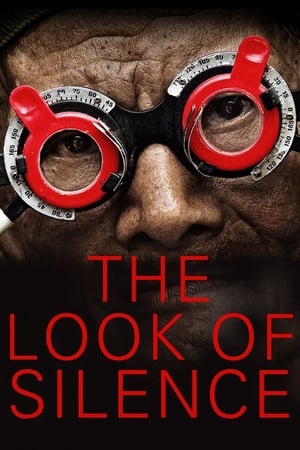
An Indonesian man with a communist background named Ramli was brutally murdered when the "Communist" purge occurred in 1965. His remaining family members lived in fear and silence until the making of this documentary. Adi, a brother of his, decided to revisit the horrific incident and visited the men who were responsible for the killings and one survivor of the purge. These meetings uncovered sadistic details of the murders and exposed raw emotions and reactions of the killers' family members about what happened in the past - much to Adi's disappointment.
In the United States, there is an active shooter incident every 12 days. In Memoriam shows the wrenching perspective of wounded survivors, grieving relatives, and heroes of the horrific attacks at the Las Vegas Route 91 Harvest Music Festival, the Sutherland Springs Baptist Church in Texas, and the Marjory Stoneman Douglas High School in Parkland, Florida.
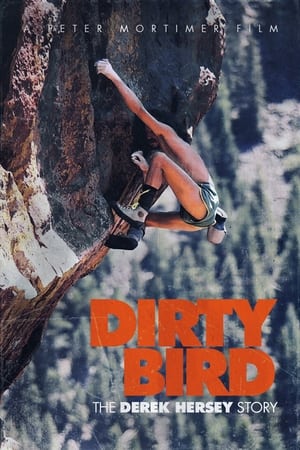
Dirty Bird, The Derek Hersey Story
The rise and fall of Nazi Germany in part through the use of classical allegory.
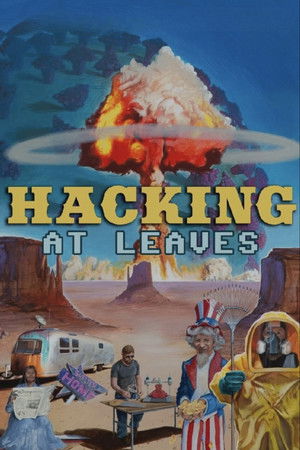
Hacking at Leaves documents artist and hazmat-suit aficionado Johannes Grenzfurthner as he attempts to come to terms with the United States' colonial past, Navajo tribal history, and the hacker movement. The story hones in on a small tinker space in Durango, Colorado, that made significant contributions to worldwide COVID relief efforts. But things go awry when Uncle Sam interferes with the film's production.
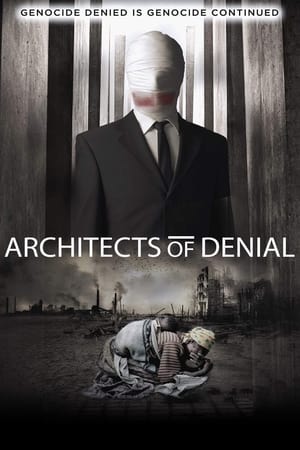
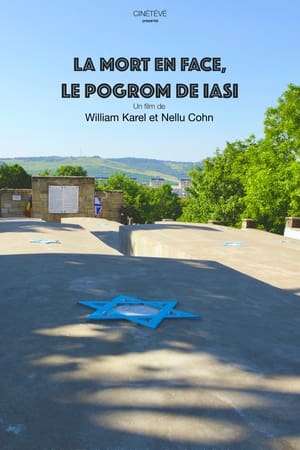
In Iasi, Romania, from June 28 to July 6, 1941, nearly 15 000 Jews were murdered in the course of a horrifying pogrom. At the time, the programmed extermination of European Jews had not yet began. After the war, the successive communist governments did all they could to ensure the Iasi pogrom would be forgotten. It was not until November of 2004 that Romania recognized for the first time its direct responsibility in the pogrom. All that remains of this massacre are about a hundred photographs taken as souvenirs by german and romanian soldiers, and a few remaining survivors.
On November 7 2007, eighteen year old Pekka goes to school armed in Jokela, a quiet town North of Finland’s capital, Helsinki. On that tragic day, he kills eight people. The director reconstructs Pekka’s story through conversations with his parents, classmates and teachers. The oppressive circumstances that brought on the young man’s tragic action are slowly revealed clearer and clearer and the spectator realizes that these situations are not unique to Pekka from Jokela.
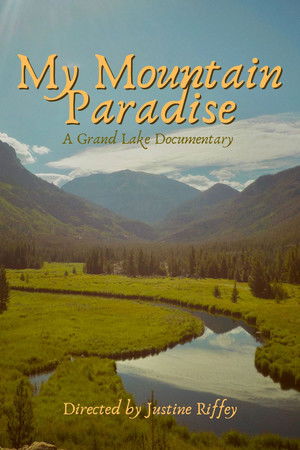
Presented by Steve Batty, we discover the village of Grand Lake in Colorado, USA, which I had the pleasure of visiting during my trip to Colorado in the summer of 2025. Steve delves into the history of Grand Lake, its traditions, and even his childhood in the village. We also have the privilege of visiting Bob Scott and Lou Lybrand’s Native American jewelry store.