Artist Marianne Lindberg De Geer thinks about her old friends from the 70s, where did they all go?
Capturing the sights, sounds, and magic of Carlton Haney’s 1971 Labor Day Festival in Camp Springs, North Carolina; a three-day outdoor festival—the first of its kind—featuring bluegrass veterans and future stars alike sharing the primitive wood and cinder block stage. More than just capturing one of the largest bluegrass festivals of that decade, this documentary is also an interesting mixture of live performances, interviews, impromptu jam sessions and crowd footage of live music set in a small town surrounded by the now long gone red clay and tobacco shacks of North Carolina.
Any given Sunday of 1974 in Spain, soccer games in several stadiums, the sarcastic voice of commentators, the inevitable presence of advertising. Goal! The victors and the defeated.
In 1977, the workers of the INAVE vehicle assembly company went on strike. This strike was declared legal, one of the few registered in the country. This strike was also a strike that demanded great sacrifice from the workers. It lasted more than three months, more than three months without pay and in constant struggle, until the strikers finally achieved their victory.
The first feature-length documentary that fully explores how the toxic social and political Canadian context after 1968 created some of the most nihilistic and imaginative Canadian cult films of the 1970s and 80s and beyond.
This 135-minute documentary offers to reopen this magical parenthesis which has seen the birth of a whirlwind of artists with very different styles. From Chantal Goya to Annie Cordy, from Pierre Perret to Carlos. They knew how to bring each in their own way generations of children into their poetic universe.
This is Poe and Král's first effort, shot on small-gauge stock, before their more well-known endeavor The Blank Generation (1976) came to be. A "DIY" portrait of the New York music scene, the film is a patchwork of footage of numerous rock acts performing live, at venues like Madison Square Garden, Radio City Music Hall, the dive bars of Greenwich Village and, of course, CBGB.
Filmmakers Alan and Susan Raymond spent three months in 1976 riding along with patrol officers in the 44th Precinct of the South Bronx, which had the highest crime rate in New York City at that time.
From the inner workings of the RAF. Former RAF-member Peter-Jürgen Boock reveal the many secrets and myths about the Baader-Meinhof gang a.k.a. RAF - Rote Armee Fraktion.
A Dutch documentary about the history of the anarchist punk band Crass. The film features archival footage of the band, and interviews with former members Steve Ignorant, Penny Rimbaud and Gee Vaucher.
This award-winning, thrilling story is about a group of discarded kids who revolutionized skateboarding and shaped the attitude and culture of modern day extreme sports. Featuring old skool skating footage, exclusive interviews and a blistering rock soundtrack, DOGTOWN AND Z-BOYS captures the rise of the Zephyr skateboarding team from Venice's Dogtown, a tough "locals only" beach with a legacy of outlaw surfing.
In the spring of 1974, a camera team from Studio H&S succeeded against the explicit orders of the Junta’s Chancellery, entered into two large concentration camps in the north of the country - Chacabuco and Pisagua - leaving with filmed sequences and sound recordings.
Argentine filmmaker Andrés Habegger embarks on a deeply personal journey in this documentary, seeking to recover memories and information about his father, Norberto Habegger, a journalist and Montonero activist who disappeared in Brazil in 1978 during a joint operation between the Argentine and Brazilian military. Traveling to places that were part of his life and revisiting old photos and his childhood diaries, the director fills in the gaps in a family history that was interrupted.
In 1972, officer Frank Serpico exposes the corruption which poisons the roots of the NYPD and becomes famous in 1973 when director Sidney Lumet tells his story in the classic film “Serpico,” starring Al Pacino.
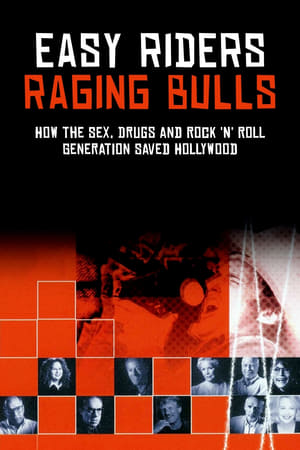
The chronicle of the mind-blowing journey that was Hollywood during the seventies; the true and gripping story of the last golden age of American cinema, an exalted celebration of creativity and experimentation; but also of sex, drugs and rock 'n' roll: a turbulent and dark tale of ambition, envy, betrayal, hatred and self-destruction.
Martinique Island, 1974. Inspired by the writings of the Martiniquais poet and politician Aimé Césaire (1913-2008), the dreamer Robert Saint-Rose, known as Zétwall (Star in Creole), aspires to be the first Frenchman to step on the lunar surface.
At the end of the 70s, punk promised rebellion and self-empowerment, also for women in the scene. They fought for their place on stage among the dominant punk top dogs, battling against social norms and long-outdated female role models. This is their story.
During World War II, many Japanese immigrants in Santos, Brazil, were forced to move to another place. Matsubayashi draws attention to the fact that 60% of the immigrants were from Okinawa. Based on testimonies from interviewees, this film reveals the hidden historical relationship between Okinawa and Brazil.
The long awaited documentary about Sepultura's incredible journey from Brazil to the world.
Australian-made film with Steven Spielberg, Stan Deyo, Stanton Friedman, Dr. Alan Hynek, Jacques Vallee, Ken Arnold, Betty Hill and Ray Palmer (publisher of the Shaver Mystery). This rare TV documentary gave birth to The Cosmic Conspiracy and contains clips of the first episode of Star Wars and Jaws.