The film begins by showing images of the Holocaust, and stating that Hitler sanctioned the killing of 11 million people. This is followed by Comfort interviewing people about Adolf Hitler; their responses indicate a lack of historical knowledge, although he also finds a neo-Nazi who claims to love Hitler. Comfort proposes a hypothetical situation to his interviewees, asking if they would kill Hitler if they had the opportunity at that time in history. He asks more hypotheticals dealing with what his interviewees might do in other circumstances related to the Holocaust. He then switches his topic to make similar comparisons to abortion within the United States and the right to life, personalizing his arguments to make comparisons between the Holocaust and abortion in order to place the interviewees on the spot. The documentary concludes with Comfort stating that over 50 million abortions have occurred to date; he calls this the "American Holocaust".
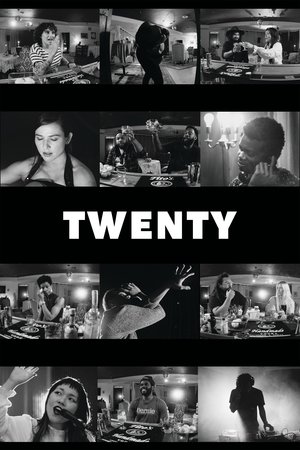
Set in a speakeasy in Atlanta, “Twenty” is a feature documentary about fifteen young people making it through 2020. The film is an observational time capsule that lays bare the raw reflections of a group of people surviving a year that will be seared into our generational memory.
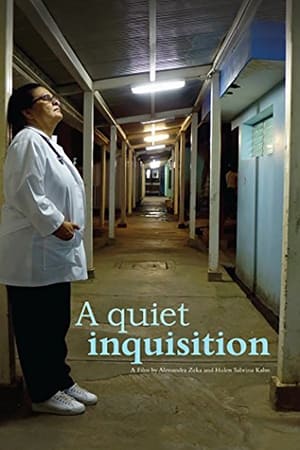
Les trente courageuses de La Réunion, une affaire oubliée
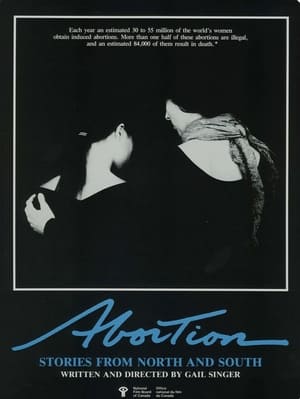
Women have always sought ways to terminate unwanted pregnancies, despite powerful patriarchal structures and systems working against them. This film provides a historical overview of how church, state and the medical establishment have determined policies concerning abortion. From this cross-cultural survey--filmed in Ireland, Japan, Thailand, Peru, Colombia, and Canada--emerges one reality: only a small percentage of the world's women has access to safe, legal operations.
Some Things Are Hard To Talk About is a personal documentary about the secrets of abortions in my family over three generations. After I had an abortion I find out that both my mother and my grandmother secretly had abortions. An intricate story of family history, choices and resulting effects uncovers.
Post Dobbs decision the Red River Women’s Clinic was forced to close its doors in Fargo, ND and move a mile and a half across the Red River to Moorhead, MN, into a state with very different reproductive rights legislation, in order to continue providing abortion services as well as other women’s healthcare to a wide region. This is a story of a collective action and resiliency.
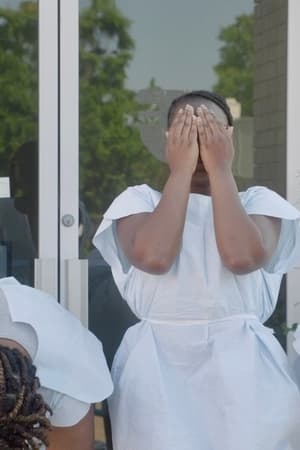
Intimate confessions, paired with experimental choreography outside a woman’s clinic in Memphis, offer a glimpse into post Roe v. Wade America.
The film delves into the reality of frontline workers who protect the right to abortion, an unprecedented access. Their stories are accompanied by powerful testimonies from women who have experienced a termination of pregnancy, breaking the silence and isolation.
The bleached palette and home-movie aesthetics of Super 8 footage provide the image track for this testimonial about an illegal abortion in Mexico City in the 1960s, delivered in voiceover by the filmmaker’s mother. In its account of this intimate and disorienting memory, Lesser Choices summons a time of profound uncertainty—a moment from an era without rights—and offers a warning to the present.
Procreation is the social duty of all fertile women, was the political thinking during the 1960s and 1970s in Romania. In 1966, Ceaucescu issued Decree 770, in which he forbade abortion for all women unless they were over forty or were already taking care of four children. All forms of contraception were totally banned. The New Romanian Man was born. By 1969, the country had a million babies more than the previous average. Romanian society was rapidly changing. By using very interesting archival footage and excerpts from old fiction films and by interviewing famous personalities from that time – gynecologists or mothers who were part of the new society - the director revives this period of tremendous oppression of personal freedom. Many deaths were caused by the mere fact that women, including wives of secret Romanian agents, famous TV presenters, and actresses, had to undergo illegal abortions. Many women were jailed for having them.
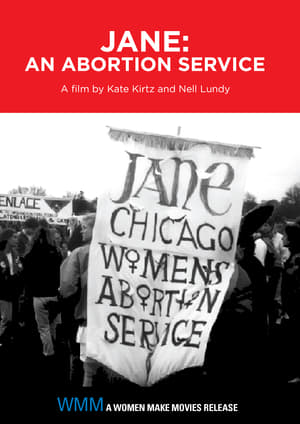
This fascinating political look at a little-known chapter in women's history tells the story of "Jane", the Chicago-based women's health group who performed nearly 12,000 safe illegal abortions between 1969 and 1973 with no formal medical training. As Jane members describe finding feminism and clients describe finding Jane, archival footage and recreations mingle to depict how the repression of the early sixties and social movements of the late sixties influenced this unique group. Both vital knowledge and meditation on the process of empowerment, Jane: An Abortion Service showcases the importance of preserving women's knowledge in the face of revisionist history. JANE: AN ABORTION SERVICE was funded by the Independent Television Service (ITVS) with funds provided by the Corporation for Public Broadcasting.
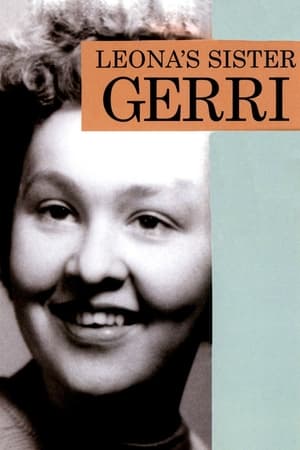
Millions have seen the photograph, and no one who has seen it will ever forget it. A naked woman, dead from a botched illegal abortion, lying on a motel room floor. The picture appeared in Ms. Magazine in April 1973, and quickly became a symbol for the abortion rights movement. LEONA'S SISTER GERRI tells the dramatic story of Gerri Santoro, a mother of two and the "real person" in the now famous photo. Should the media have used this image? What circumstances led to Gerri's tragic death? Powerfully addressing issues of reproductive rights and domestic violence, this video is a moving portrait of Gerri Santoro's life and society's response to her death.
Interviews from women involved in the 70's and 80's rock music industry. An examination of the people taking advantage of underage fans and calling for a "Me too" movement in the music world
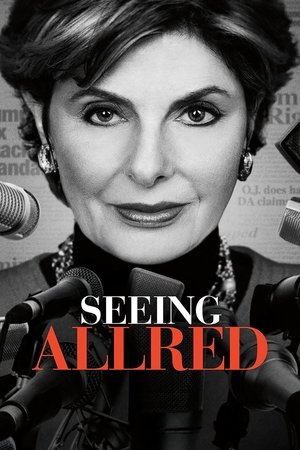
Gloria Allred overcame trauma and personal setbacks to become one of the nation’s most famous women’s rights attorneys. Now the feminist firebrand takes on two of the biggest adversaries of her career, Bill Cosby and Donald Trump, as sexual violence allegations grip the nation and keep her in the spotlight.
Intimate interview film in which three young women talk about the impact of choosing abortion. About the doubts, the shame and how this experience plays a role in their lives now. The film interweaves the interviews with powerful images that symbolize the different phases of their struggle.
"Clandestinas" is a documentary about the abortion situation in Brazil. Women share their experiences interrupting a pregnancy and actresses interpret that actual reports.
The pro-life movement has been around as long as Roe V Wade, who are they, what do they do? Are they effective? This documentary goes into the deep underpinnings of major national lobbyist groups to find out why after 46 years Babies Are Still Murdered Here?
A gripping journey through seven decades of sexual ignorance, oppression, and suffering, brought to life through the words and experiences of the first Soviet sexologist. Ukrainian survivors of the regime courageously recount the harsh realities they endured, from the pervasive suppression of sexual expression to the rampant exploitation and abuse that plagued Soviet society.
When Women Won tells the emotional inside story of the Together for Yes campaign to repeal the 8th amendment and change Irish society forever.
Join Marlin Maddoux, host of the nationally syndicated radio news talk program Point of View, for an investigation into the multi-million dollar a year baby parts trafficking industry, which is one of the most lucrative businesses in operation today. Yet most Americans are unaware of its existence. Many have heard about the controversy surrounding fetal tissue research but have no idea how the tissue is obtained. Today, some are claiming that cures for a number of devastating diseases, including Alzheimer's, Parkinson's, diabetes and AIDS, are just around the cornerand that fetal tissue is desperately needed for research. But is it really?