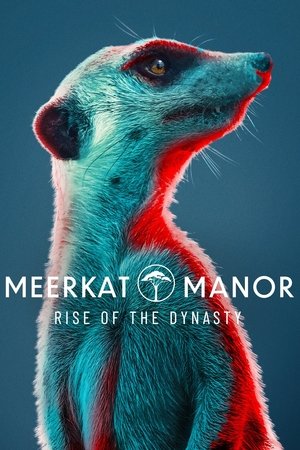
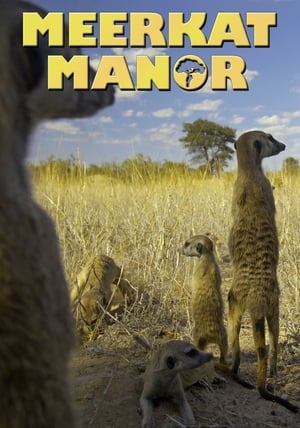
Continuing the compelling saga of the heartstring-tugging, dramatic tale of survival revolving around three families of meerkats who are descendants of the legendary meerkat matriarch, Flower. Neighbors and rivals who share a bloodline are forced to compete for food and resources in an environment that is undergoing a great deal of change: the Kalahari Desert in South Africa.
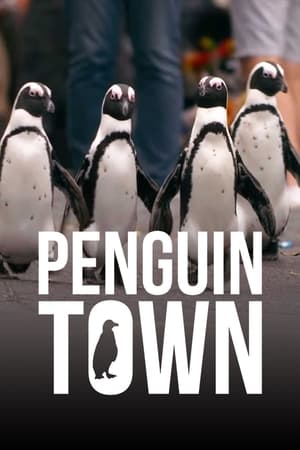
In a picturesque South African town, an eclectic group of endangered penguins flock together to find mates, raise families and mix with the locals.
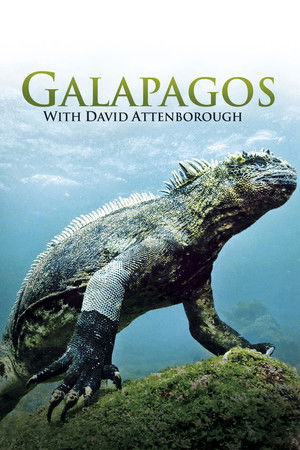
David Attenborough uses pioneering 3D-techniques and technology to explore the unique environments and species of the Galapagos.
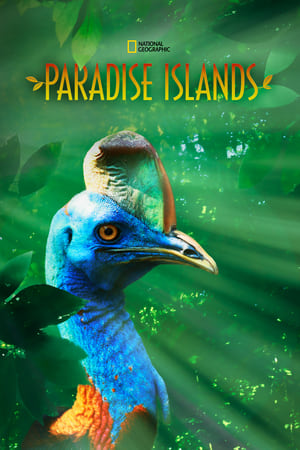
The tropical islands that lie between Asia and Australia are among the biologically richest on earth, and home to a vast number of plants and animals. From tree kangaroos to tarsiers, manta rays to mudskippers, the region abounds with life. But why? The answer lies deep in time, due to the many millions of years these islands have existed - and the power of the earth, the sun and the moon.
The Earth’s continents are instantly recognizable. These iconic landmasses seem permanent and unchanging, yet they are merely the wreckage of a much larger long-lost supercontinent – Pangaea. In this stunning four part series Professor Iain Stewart uncovers the evidence for this ancient past. He reveals how the world around us is full of clues – in the rocks, the landscapes and even the animals. All of which tell us how the land we live on was created.
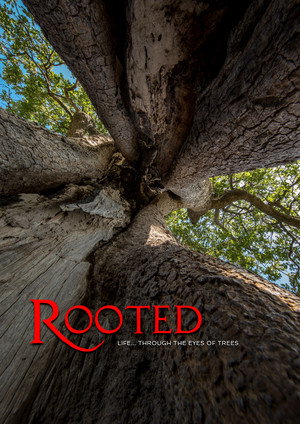
Stories from the perspective of some of the world's oldest living creatures - trees. Each tree is located in a completely unique habitat around the world, and hosts, feeds and shelters an array of animals in its embrace.
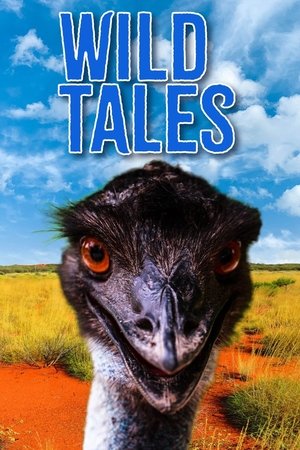
The stories of iconic Australian animals and the biological and evolutionary factors that link them.
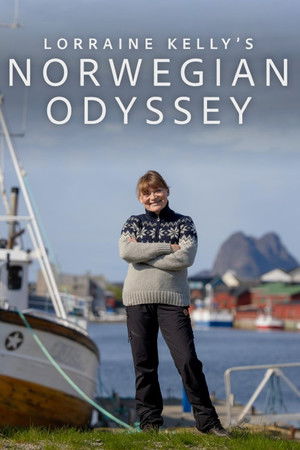
A spectacular journey which uncovers how the Viking era has left its imprint on the way of life and landscape of Norway, and the parallels observed in Lorraine’s home nation of Scotland to this day when it was once sieged under Norse rule. Lorraine will meet people along her travels that are keeping the rich history of Norway alive through folk traditions and Nordic tales, and immerse herself in the crafts and culinary delicacies of the region. The TV icon will sail north along the coast to see what natural beauty it offers, spotting whales and eagles, in hopes to end her journey with a Northern Lights (aurora borealis) spectacle.
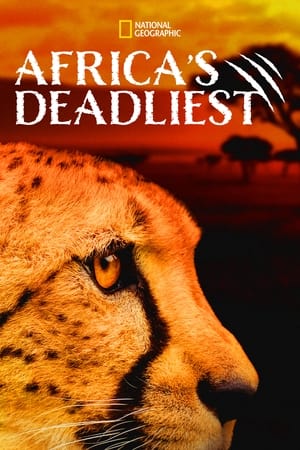
Africa is a land sculpted by time where animals have evolved complex weapons to arm them in the battle to live another day. An elephant's tusks can defend, or attack. An octopus uses camouflage to find food, or hide from an enemy. A Cape Fur Seal's speed and agility are valuable tools to catch a penguin, but ineffectual against a Great White Shark. A single hippopotamus holds a pride of twelve lions at bay with his sheer bulk, but backs down when faced with the piercing teeth of another hippo. With lethal weapons wielded by fearsome predators and prey, animals walk a precarious path, here among Africa's Deadliest.
Meerkat Manor is a British television programme produced by Oxford Scientific Films for Animal Planet International that premiered in September 2005 and ran for four series until its cancellation in August 2008. Blending more traditional animal documentary style footage with dramatic narration, the series told the story of the Whiskers, one of more than a dozen families of meerkats in the Kalahari Desert being studied as part of the Kalahari Meerkat Project, a long-term field study into the ecological causes and evolutionary consequences of the cooperative nature of meerkats. The original programme was narrated by Bill Nighy, with the narration redubbed by Mike Goldman for the Australian airings and Sean Astin for the American broadcasts. The fourth series, subtitled The Next Generation, saw Stockard Channing replacing Astin as the narrator in the American dubbing.
The people, places and stories making news in the British countryside.
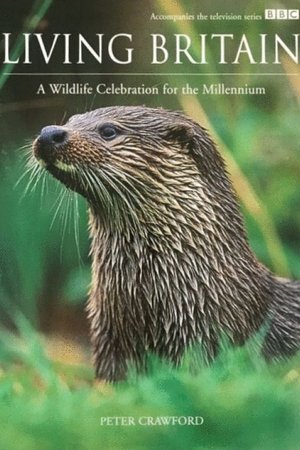
Living Britain is a six-part nature documentary series, made by the BBC Natural History Unit, transmitted from October to December 1999. It was produced by Peter Crawford. It examines British wildlife over the course of one year. Each of the programs takes place in a different time of year.
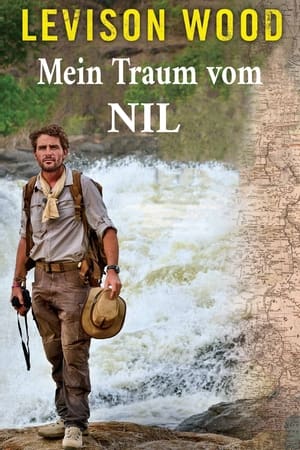
Explorer Levison Wood sets out on a nine-month walk along the length of the River Nile, visiting rainforests, deserts, cities and war zones, and encountering modern Africa, its people and its wildlife.
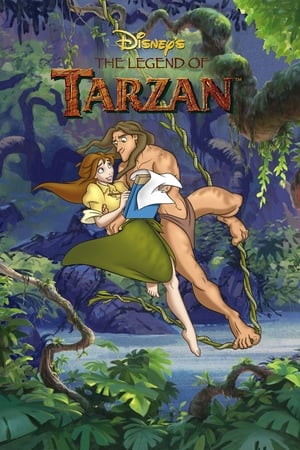
The Legend of Tarzan picks up where the 1999 feature film left off, with the title character adjusting to his new role as leader of the apes following Kerchak's death, and Jane adjusting to life in the jungle. Rounding out the cast are Jane's father, Professor Archimedes Porter; Tantor, the germophobic elephant; and Terk, a wisecracking female gorilla and Tarzan's old wrestling buddy.
In each and every one of these action packed hours, Gordon Buchanan is on a personal and dangerous mission to really KNOW a MANEATER -an animal that has killed or even eaten a human. But as populations of the planet's apex predators decrease, the number of attacks on humans increases. Buchanan wants to go to the places where man still battles beast and put himself 'directly in the path' of a predator to find out.
A thrilling expedition across Bolivia in search of the most venomous snakes in this remote country. The main goal is to discover a new species unknown to science: a large pitviper that has not been classified yet. It will be tracked down and filmed alive for the first time. Spanish herpetologists Juan Timms and Jairo Cuevas embark on a perilous expedition across remote Bolivia, determined to capture the country's most venomous snakes. Their ultimate prize? Discovering a new, unclassified species of massive pitviper, known only from a single photograph.
Few countries in South America can boast to have such contrast and variety as Argentina. Diverse habitats such as Patagonia's bleak steppe, soaring Andean snowcaps, vast salt pans, lush rainforest around Iguazu Falls, steamy marshlands of Ibera, and grasslands of the Pampas support an astonishing range of wildlife - from penguins, whales and seals to condors, armadillos and guanacos.
Baboons with Bill Bailey is a wildlife documentary series presented by Bill Bailey. The series follows Bill as he attempts to find out more about the lives of baboons who are living in several colonies in Cape Town, South Africa.
Filmed in Sweden and Norway, this documentary series follows adventure-traveler and BBC journalist, Simon Parker, as he embarks upon a 2,000 mile / 3,500 KM cycling adventure from the North Cape to Smygehuk – the full length of the Scandinavian Peninsula. On his journey, Simon charts the seasonal cycles of the natural world, as summer is transitioning into autumn.
David Attenborough celebrates the amazing variety of the natural world in this epic documentary series, filmed over four years across 64 different countries.